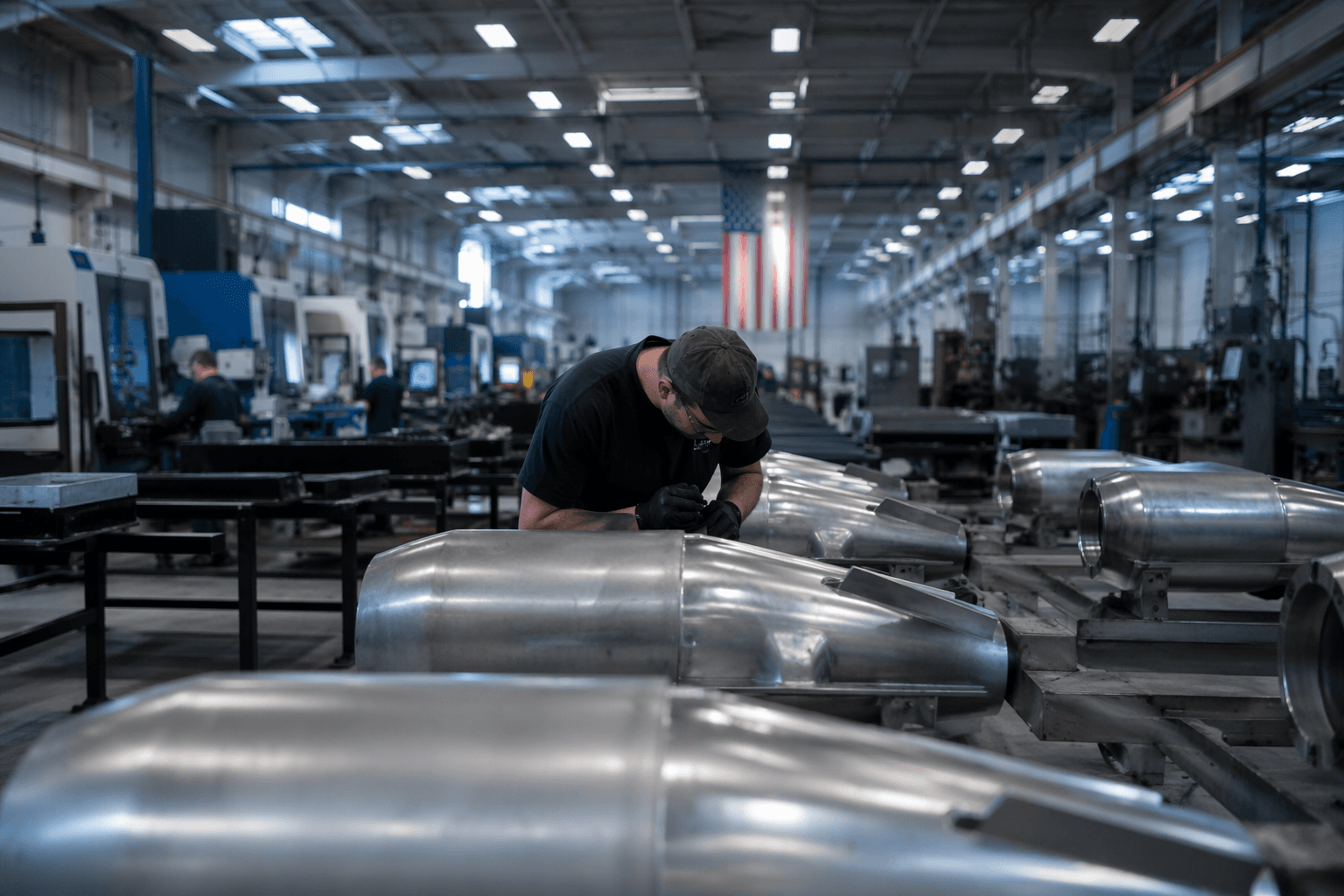
Materialise CEO sees AI, new materials expanding 3D printing healthcare growth
Brigitte de Vet-Veithen’s rise at Materialise comes as medical 3D printing posts record Q4 revenue and AI cuts patient-specific stents to a 72-hour turnaround.

Brigitte de Vet-Veithen now runs Materialise, and the business line she once led is the clearest sign of where 3D printing growth is headed: Materialise Medical grew 14.8% in 2024, posted record-high revenue in the fourth quarter and kept the Leuven company leaning harder into healthcare software and print workflows. Materialise said the medical unit had already become its fastest-growing and most profitable segment under her leadership before she took over as CEO, effective January 1, 2024.
The numbers were not a side note. Materialise reported full-year 2024 revenue of EUR 266.765 million, up 4.2% from 2023, and said medical was the main growth driver. Fried Vancraen remains chairman, but the handoff to de Vet-Veithen signals a generational shift at one of additive manufacturing’s best-known names, with healthcare now sitting at the center of the company’s long-term play.
For the 3D printing crowd, the interesting part is not the headline, it is the workflow. Materialise says AI-enabled automation can help scale personalized medical devices, and it points to one concrete example: patient-specific oral stents for head and neck cancer were designed and produced within 72 hours. That kind of turnaround usually means fewer manual steps, faster scan-to-model work and less room for support or fit errors. Those are exactly the pain points that clog up desktop print prep, especially when a model needs heavy cleanup or a scan arrives with gaps that force a lot of handholding.
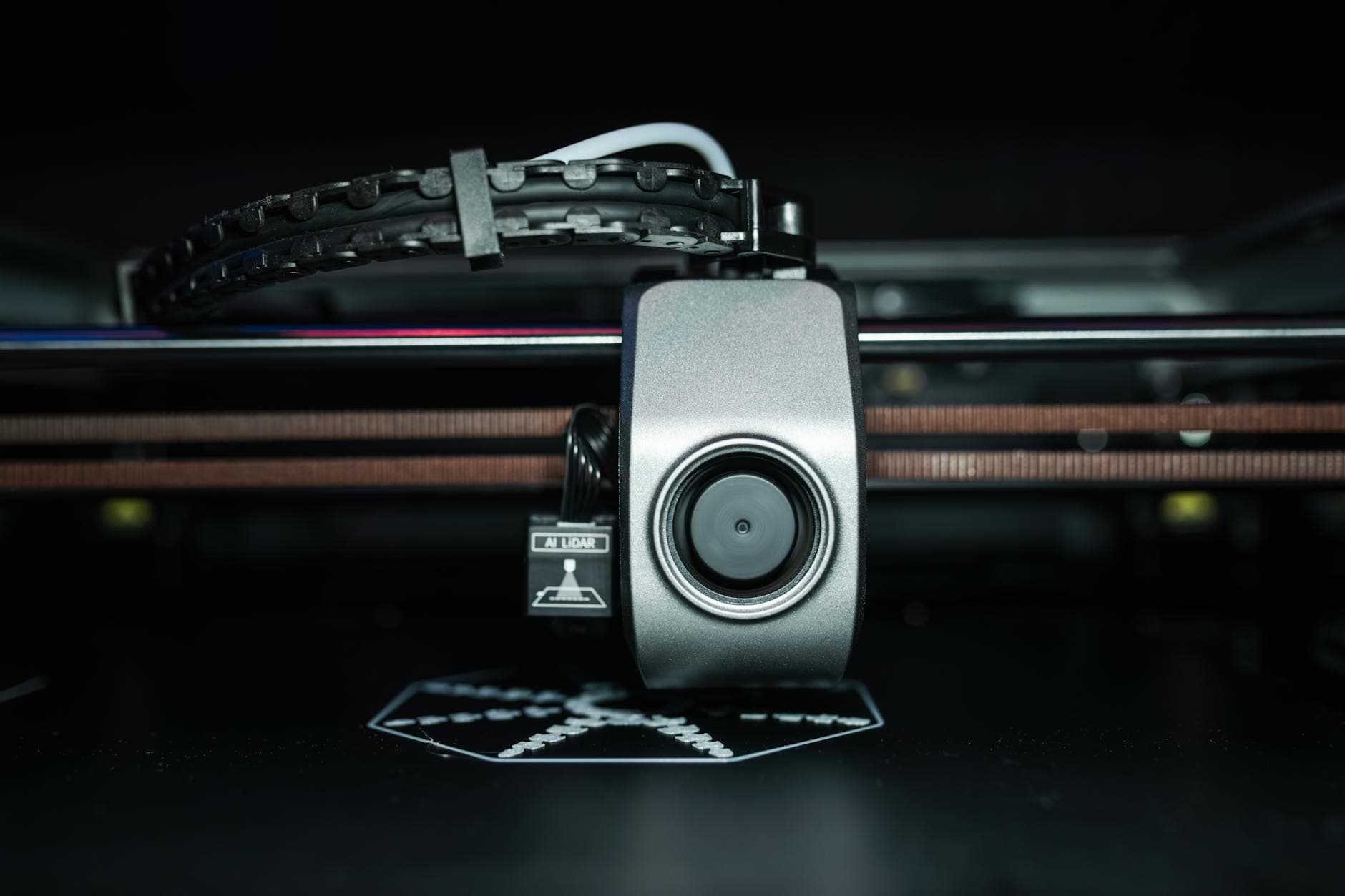
The regulatory backdrop shows why this is more than a medical curiosity. The U.S. Food and Drug Administration already says 3D-printed medical devices include orthopedic and cranial implants, surgical instruments, dental restorations such as crowns and external prosthetics, and it treats printed devices under the same regulatory requirements as other medical devices. The agency’s CDRH has also published technical guidance for additive-manufactured medical devices, including testing and characterization. In other words, this is a sector where the workflow has to be repeatable, traceable and robust.
That is the update hobbyists should watch. If Materialise keeps proving that AI and new materials can compress design time and tighten print prep in regulated healthcare, those same ideas are likely to trickle into the slicers, scan-to-model tools and support-generation workflows that desktop makers rely on every day.
This article was produced by Prism’s automated news system from verified source data, official records, and press releases, then run through automated quality and moderation checks before publishing. The system is built and supervised by the people who set the standards it runs under. Read our full AI policy.
Did this article answer your question?