Hawaii startup 3D-prints Navy boat hull from basalt fiber and volcanic rock
A Hawaii startup turned basalt fiber and recycled PETG into a six-meter Navy RHIB hull, aiming to replace molds, shipyards and long supply lines.
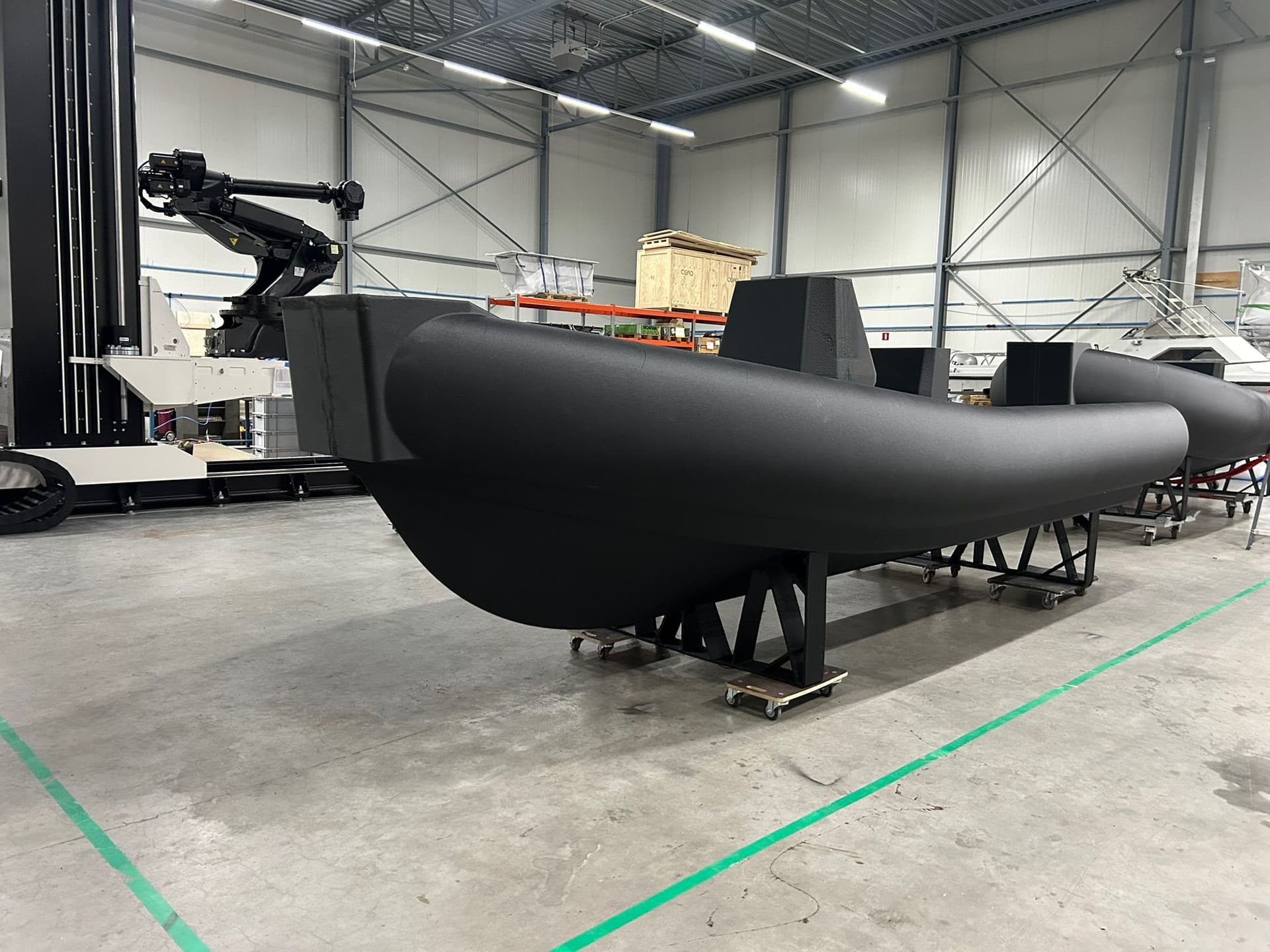
A Navy boat hull made from volcanic rock sounds like the kind of headline that belongs in a trade-show aisle, but Voltage Vessels has already printed one. The Hawaii startup, founded by Sam Young, built a six-meter rigid-hull inflatable boat hull with a CEAD large-format additive manufacturing system and sent it for U.S. maritime defense evaluation, including possible use in autonomous naval programs.
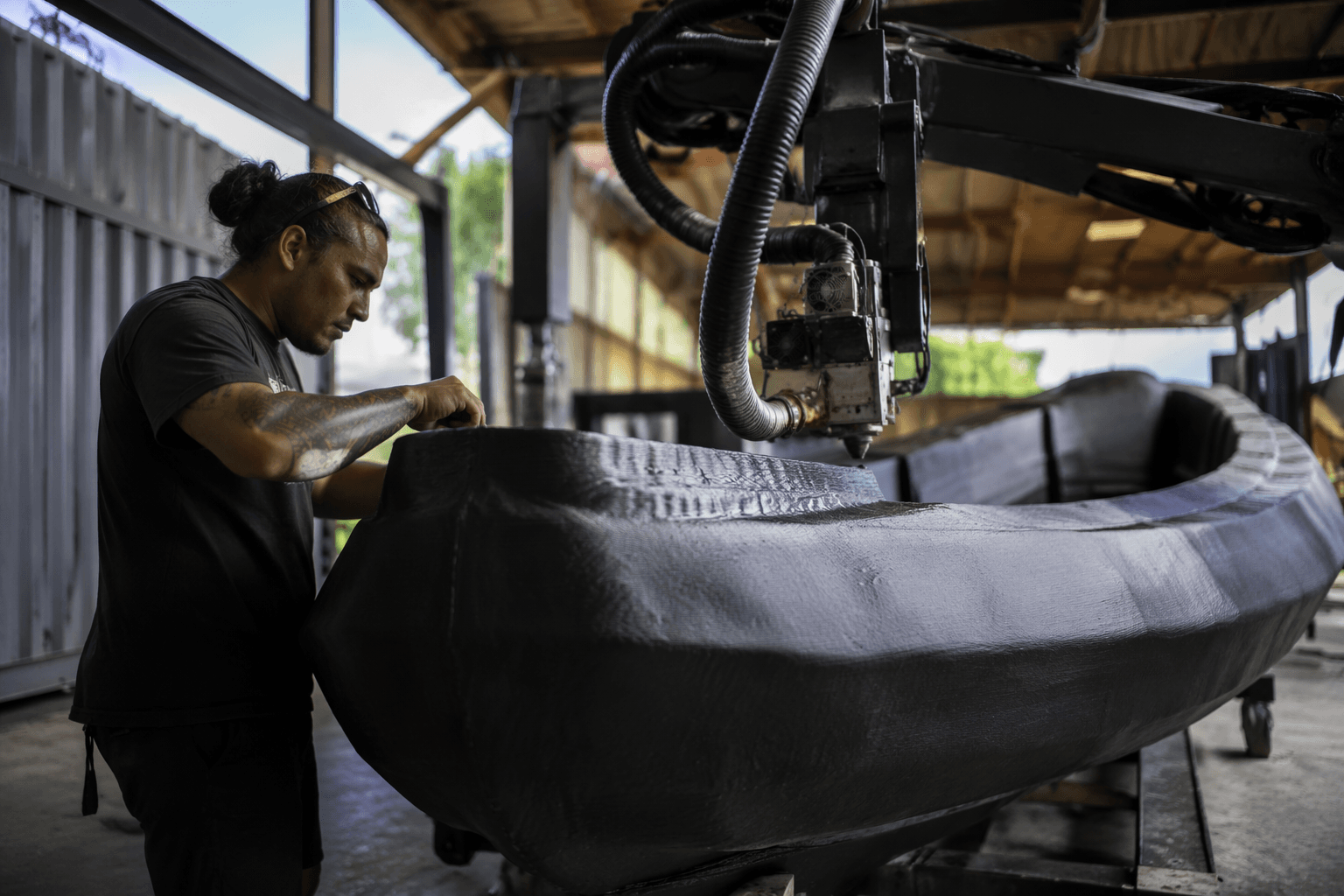
The real story is not the boat itself, but the material direction it points toward. Voltage’s Eclipse X9 blend combines recycled PETG thermoplastic with chopped basalt fiber, a volcanic mineral common in Hawaii. The company says the part was made without molds or traditional shipyard tooling, which matters in a field where hulls, repairs and replacements often depend on fixed industrial sites and long transport chains. For 3D printing readers, that is the interesting shift: composite printing moving from novelty parts toward structural hardware that can be produced where it is needed.
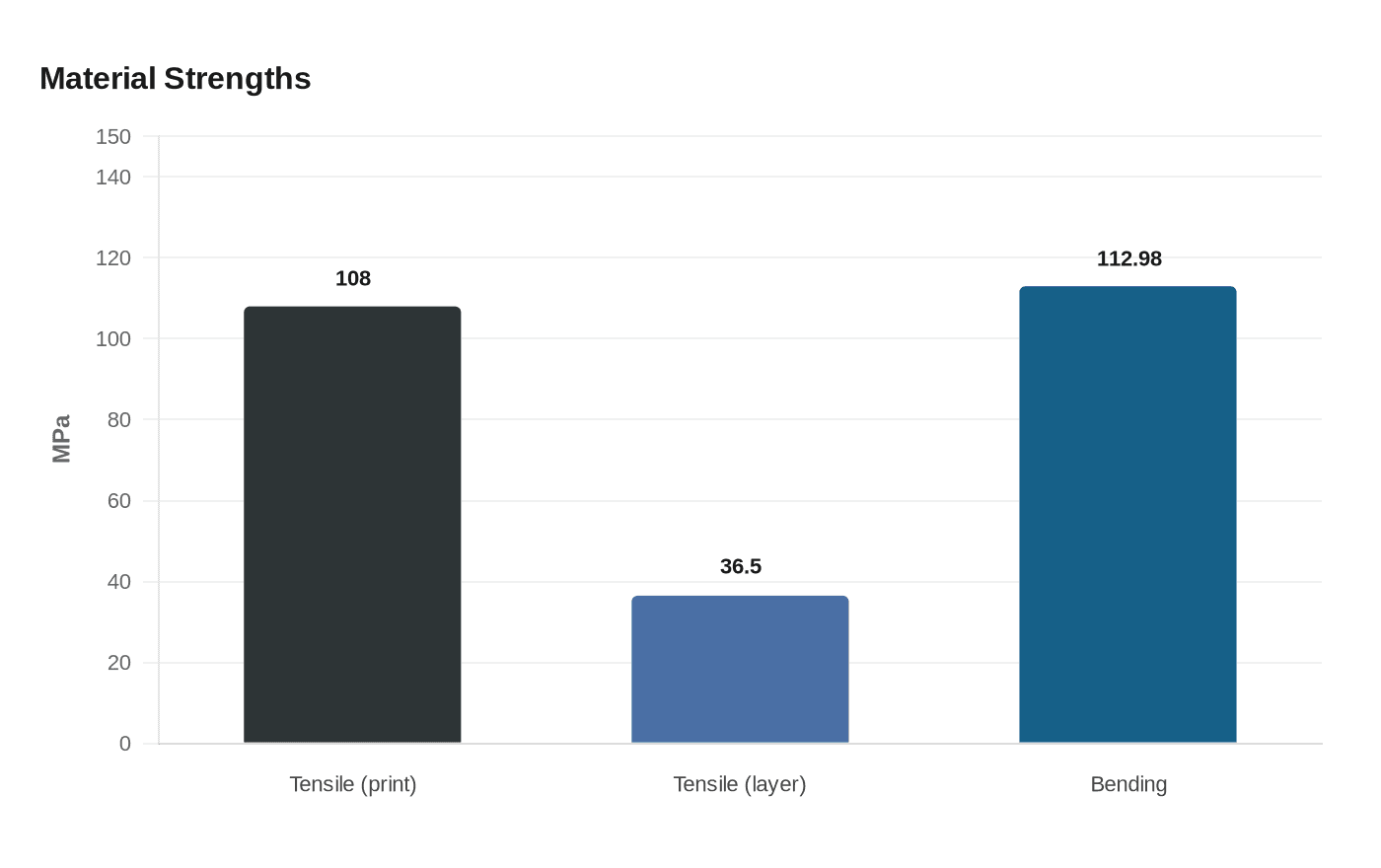
Voltage says testing at the University of Maine Advanced Structures and Composites Center validated the material for structural use. Reported results include about 108 MPa tensile strength along the print direction, 36.5 MPa perpendicular to the layers, and 112.98 MPa bending strength. The company also says the material kept more than 90 percent of its strength after 24 months of saltwater immersion, with water absorption below 0.4 percent. Just as important for defense applications, Voltage says Eclipse X9 is electrically non-conductive and has a low dielectric constant, a property that could help limit interference with radio-frequency systems on autonomous platforms, though that transparency claim is still being checked across specific frequency ranges.
The scale of the pitch is larger than a single hull. Voltage describes the strategy as distributed composite manufacturing, with regional production nodes across the Indo-Pacific and Hawaii as a pilot location. The company says its U.S.-based compounding infrastructure could grow to 15,000 metric tons a year, a number that puts it squarely in industrial territory rather than garage-shop printing. That fits the Navy’s broader push for logistics resilience, after service reporting in 2025 said additive manufacturing lead times had been cut by 70 percent, and after other defense efforts built out distributed capacity in places such as Guam.
That is why a basalt-fiber RHIB matters beyond the defense brief. RHIBs carry boarding teams, move personnel, support maritime interdiction and back special operations, so every hour shaved off a repair or replacement cycle has real operational value. For the rest of the printing world, the lesson is more familiar and more exciting: if a mold-free composite hull can be printed from volcanic rock and recycled polymer, the same material logic may eventually trickle down into prosumer parts, outdoor-durable enclosures and large-format prints that need to survive salt, sun and hard use.
This article was produced by Prism’s automated news system from verified source data, official records, and press releases, then run through automated quality and moderation checks before publishing. The system is built and supervised by the people who set the standards it runs under. Read our full AI policy.
Know something we missed? Have a correction or additional information?
Submit a Tip