ISRO to use Russian 3D printer for rocket components
ISRO is adding a Russian electron-beam printer to its rocket hardware line after a 665-second engine test and a PS4 redesign that cut material use 97%.
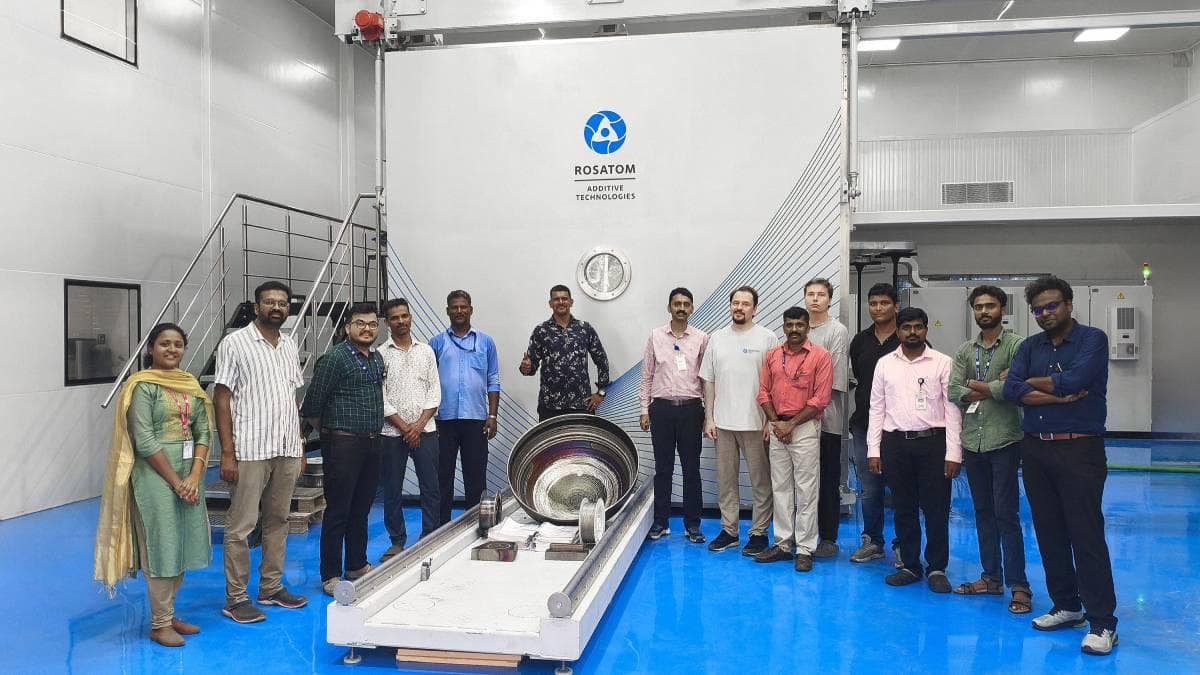
ISRO is moving beyond proof-of-concept printing and into production-scale hardware, with plans to use Rosatom’s industrial 3D printer to make rocket components in India. The machine, described as Russia’s largest industrial 3D printer delivered to India, uses electron-beam technology to build large metal parts for the space sector, a shift that could shorten turnaround times and cut waste on future launch hardware.
The timing matters because ISRO has already shown that additive manufacturing can survive the heat and pressure of flight-grade work. On May 9, 2024, the agency hot-tested a liquid rocket engine manufactured through additive manufacturing for 665 seconds. That engine was the PS4 upper-stage engine used in the Polar Satellite Launch Vehicle, and ISRO said the redesign reduced raw material use by 97% and production time by 60% compared with the conventional route. The agency has also described the older PS4 as a 7.33 kN vacuum-thrust engine used in the PSLV’s fourth stage, making the new approach more than a lab demonstration. It pointed toward a single-piece engine architecture instead of the usual machining and welding chain.
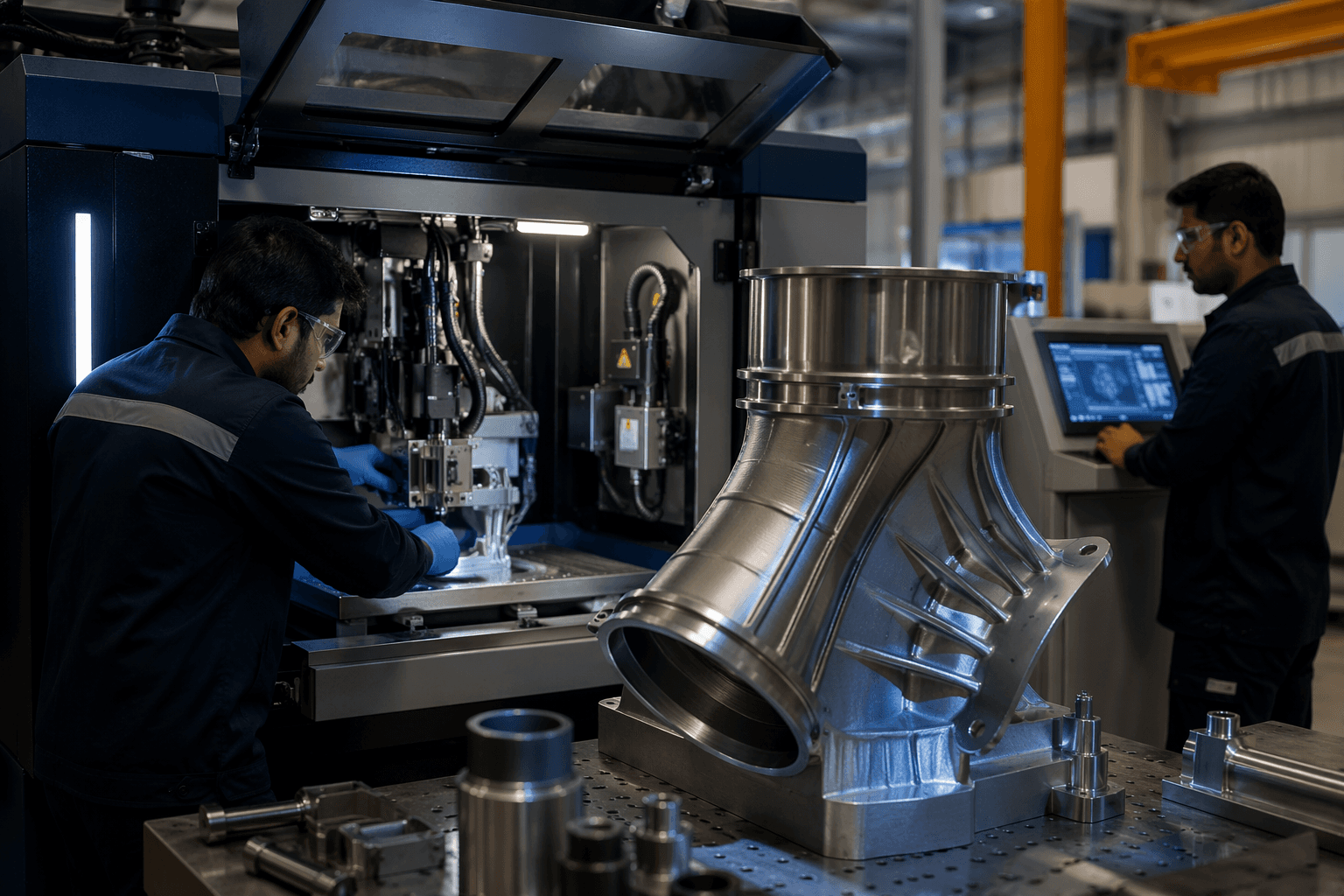
ISRO’s move builds on earlier work with Indian industry. Wipro 3D and ISRO previously collaborated on a 3D-printed PSLV PS4 engine, helping establish that the concept could be translated into hardware relevant to an operational launch vehicle. The new Russian machine raises the ceiling further, giving ISRO access to a larger industrial platform aimed at heavy metal parts rather than only smaller printed subassemblies. For aerospace users, that is the real shift: not just printing a part, but printing larger, denser, more mission-critical structures with greater repeatability.
The wider ecosystem has been moving in the same direction. Agnikul Cosmos launched India’s first privately developed rocket with a single-piece 3D-printed engine in May 2024, and the company later said its printing facility can produce aerospace and rocket components up to one metre in height. ISRO has also been expanding manufacturing ties with Indian industry and startups, including support for rocket-engine tests for companies such as Skyroot, as the Department of Space, IN-SPACe, VSSC, HAL and private manufacturers continue to build out India’s space supply chain.
Taken together, the new Rosatom printer says as much about where high-end additive manufacturing is headed as it does about rockets. The next step is not another headline about a printed engine, but a larger machine that can make complex metal hardware faster, with less waste, and with enough confidence to move from one-off milestones to regular launch production.
Know something we missed? Have a correction or additional information?
Submit a Tip