Lagos opens West Africa’s first multi-technology additive factory
Arridex’s Lagos Omnifactory bundles L-PBF, cold spray, FFF and SLS under one roof, aiming to make critical spares locally instead of waiting on imports.
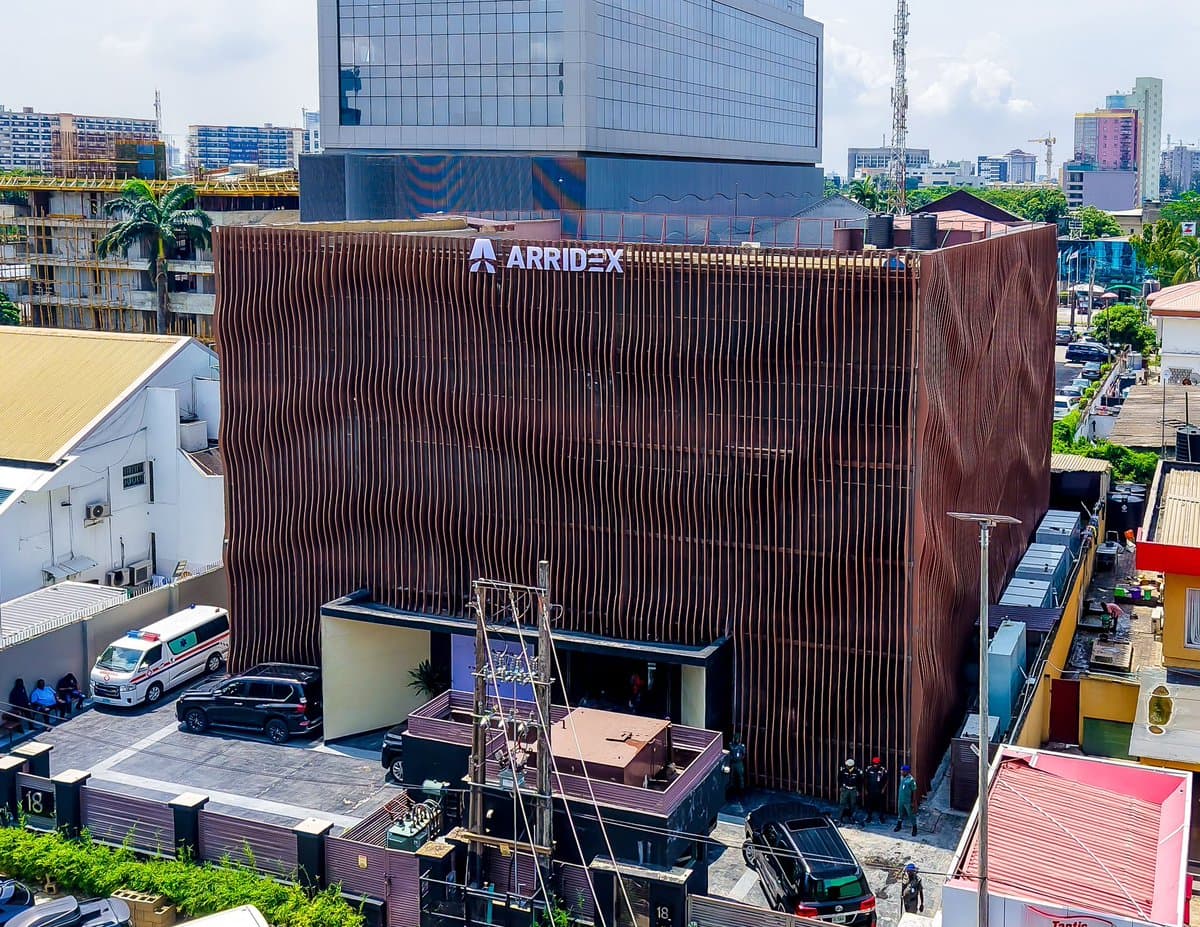
Lagos just got a factory built for the parts that usually arrive too late, too expensive or not at all. Babajide Sanwo-Olu commissioned Arridex’s Omnifactory in Lagos on June 10, 2026, and the company says the site is West Africa’s first multi-technology industrial additive manufacturing facility, designed to produce industrial components and spare parts closer to demand.
What makes the setup matter is not just the scale, but the mix of processes inside it. Arridex says the Omnifactory combines Laser Powder Bed Fusion, Cold Spray, Fused Filament Fabrication and Selective Laser Sintering under one roof, with the ability to produce large-scale structures, including full-size marine components. For a region that has long depended on imported parts and specialist expertise, that kind of toolchain points to a different repair economy, one where legacy spares, short-run production and industrial redesign can happen locally instead of being pushed through long overseas supply lines.
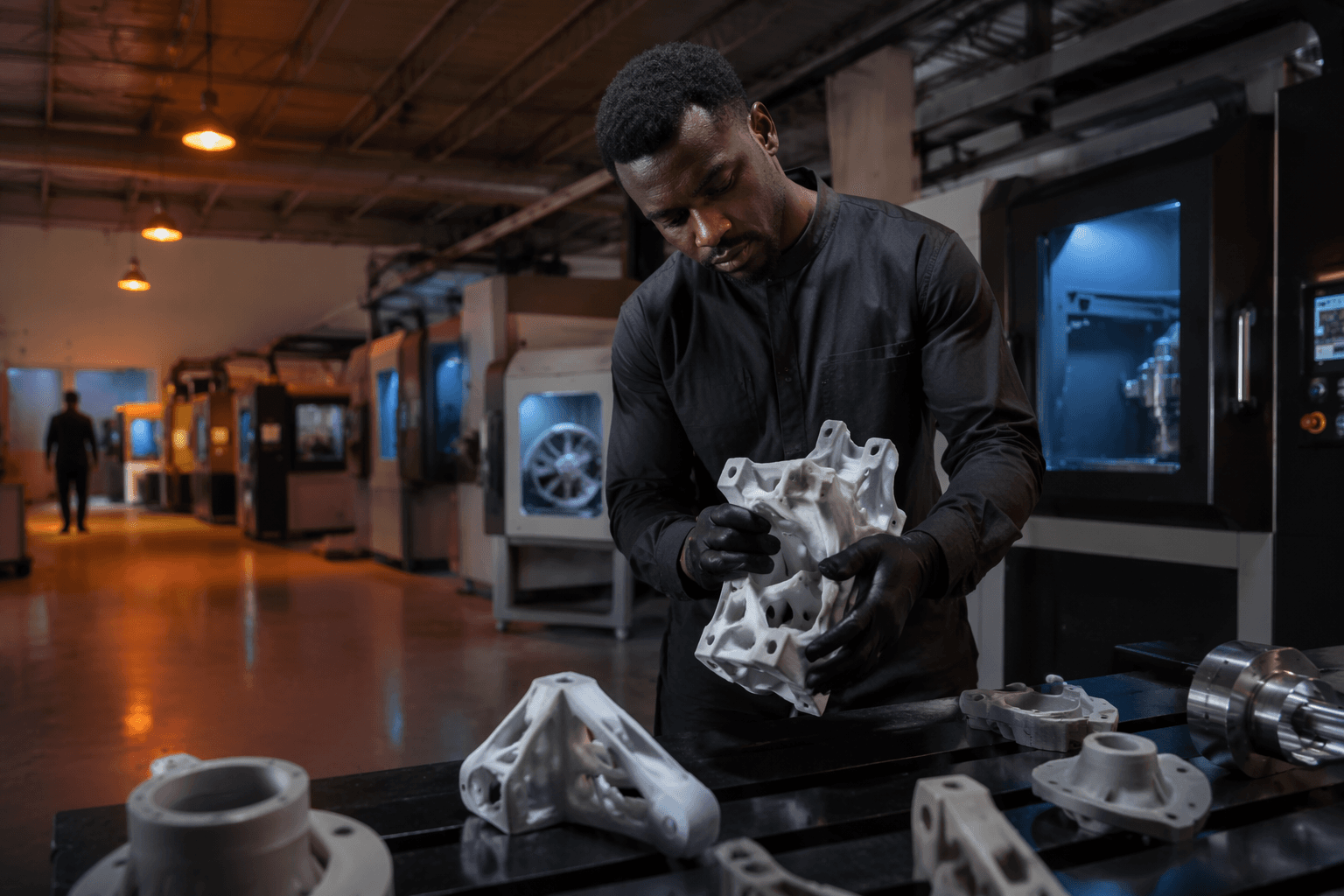
Arridex said the Phase 2 facility will make critical components and spares for oil and gas, aerospace and defence, and that the whole point is to improve supply-chain resilience by localizing production in Lagos. In public remarks, group chief executive Kayode Adeleke tied the move to the disruptions exposed by the COVID-19 pandemic, saying the company wanted to show that industrial goods can be designed and made in Africa for global use. That is the same logic that drives local print farms and maker spaces on a smaller scale: the closer the machine sits to the failed part, the faster a repair turns from downtime into a fix.
The company’s own history reflects that shift. Arridex said it began in the early 2000s as RusselSmith, an asset integrity company in Nigeria’s oil and gas sector, and formally rebranded on June 1, 2026. It now operates across oil and gas, maritime, aerospace, defence, construction and manufacturing. Arridex also said it holds Pioneer Status in additive manufacturing from the Nigerian Investment Promotion Commission, is the first company qualified by the Nigerian Upstream Petroleum Regulatory Commission for additive manufacturing deployment in oil and gas, and has ISO 9001:2015 and ISO 45001:2018 certifications, with more than seven million man-hours and zero lost-time incidents.
Sanwo-Olu called the project a “Made in Nigeria” milestone, while the Lagos State Government said 70 percent of the jobs in the manufacturing hub were reserved for women and youths. The state also said the facility could help NMSMEs that struggle to meet bulk orders because they lack equipment and capacity. For 3D printing, the lesson is plain: distributed manufacturing is not a slogan, it is a way to keep parts moving when supply chains stall, whether the job is a marine component or a short run of hard-to-source spares.
This article was produced by Prism’s automated news system from verified source data, official records, and press releases, then run through automated quality and moderation checks before publishing. The system is built and supervised by the people who set the standards it runs under. Read our full AI policy.
Know something we missed? Have a correction or additional information?
Submit a Tip