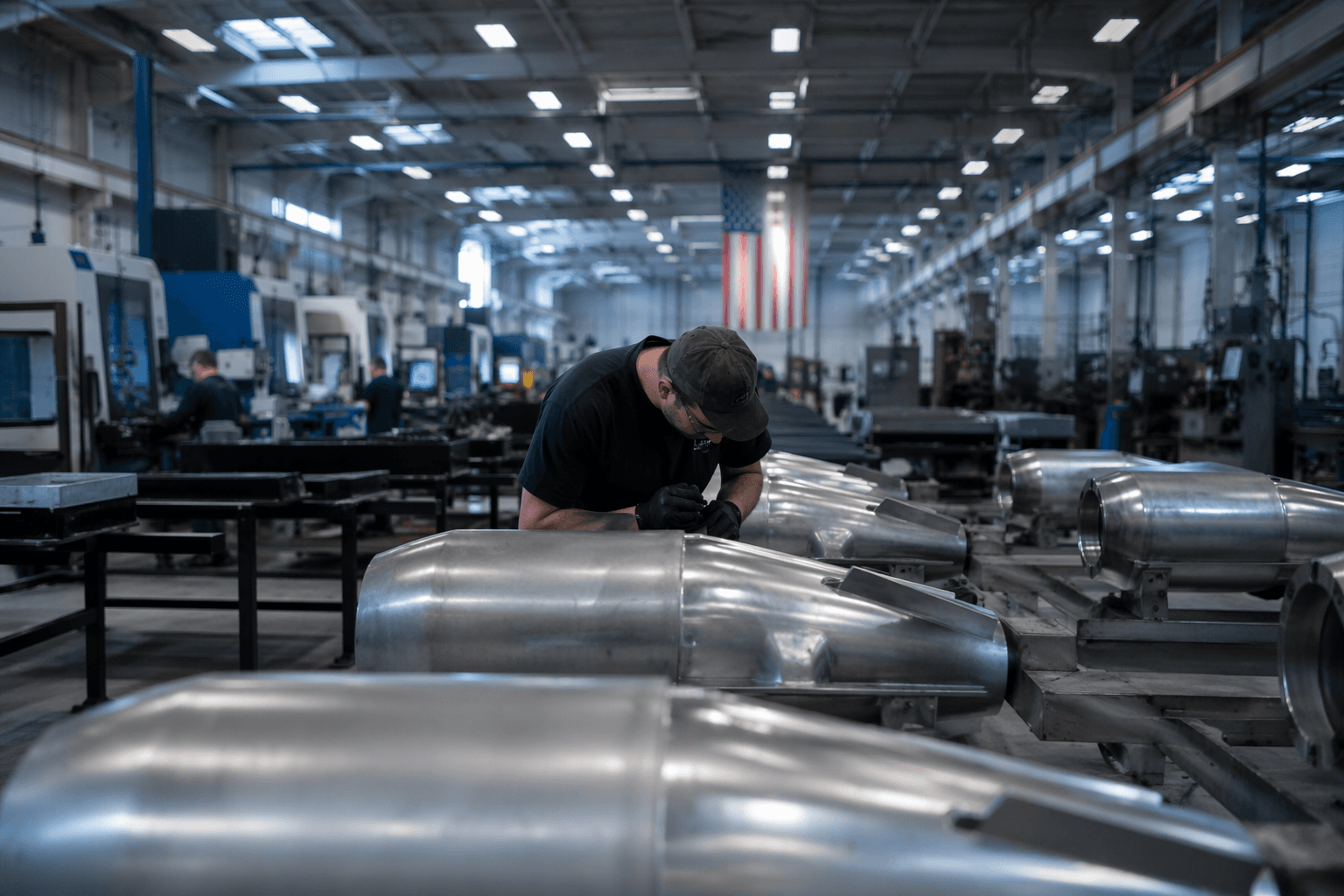
LEHVOSS and MORSAN team up on food industry 3D printing materials
LEHVOSS and MORSAN are aiming at the hardest part of food 3D printing: spare parts that survive washdowns, heavy loads, and nonstop packaging lines.
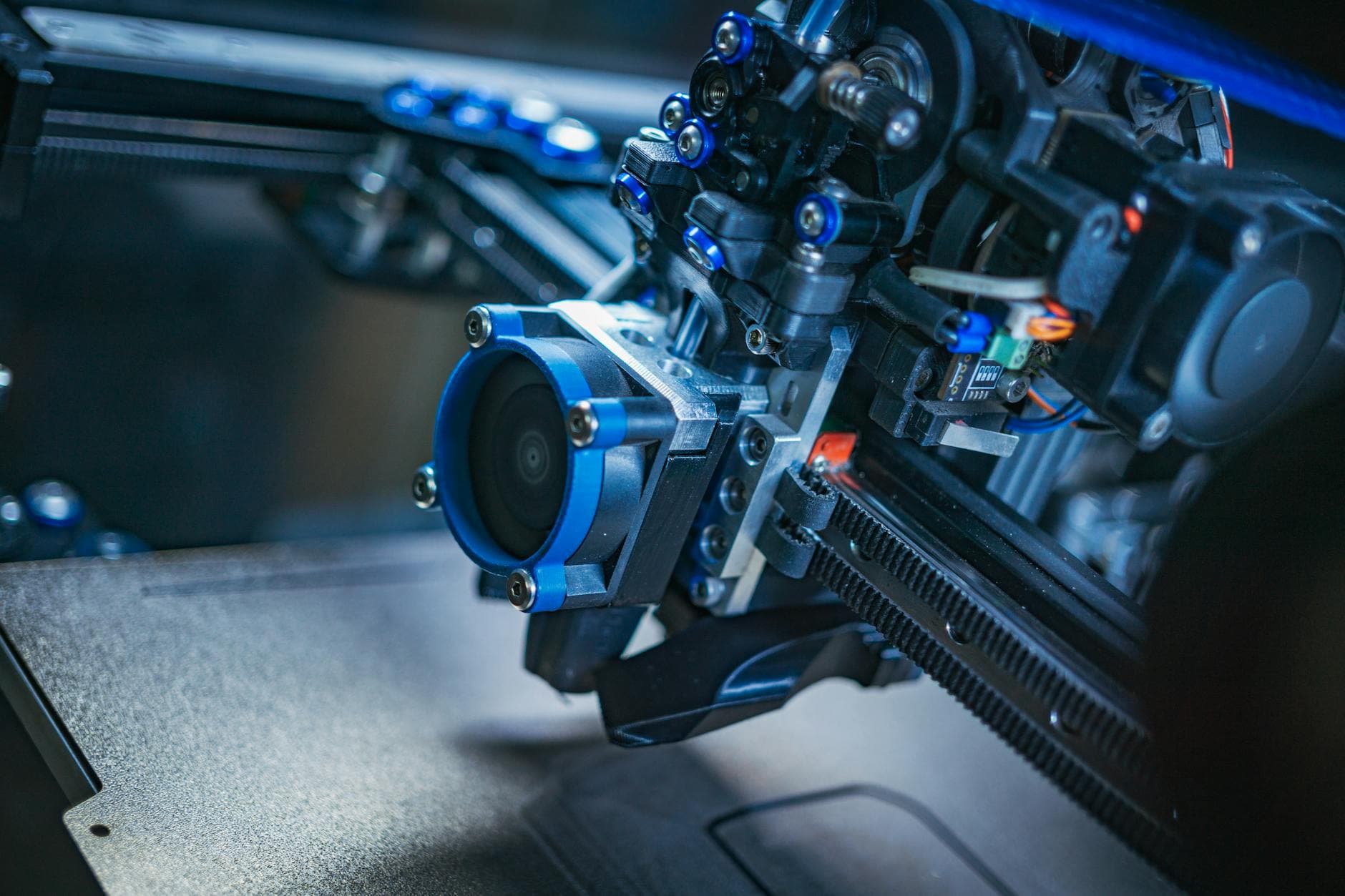
A food-safe filament label is easy to print on a spool. Making a part that survives caustic cleaning, extreme mechanical loads, and nonstop cycle rates in a filling line is the hard part, and that is where LEHVOSS and MORSAN have put their focus.
LEHVOSS said the collaboration with MORSAN targeted spare parts for food and beverage equipment exposed to aggressive cleaning environments and permanently high cycle rates in filling and packaging lines. The company said it was using LUVOCOM 3F materials in the project, a reminder that this is about engineered polymers, not generic hobby filament. LEHVOSS also said its 3D-printing portfolio includes LUVOSINT, LUVOPRINT, and LUVOCOM 3F compounds, and that it supports development through pilot plants in Germany, China, and the United States.
That matters because the food and beverage sector does not need showpiece prints. It needs replacement brackets, guards, fixtures, and other parts that fit existing machines and arrive fast enough to keep production moving. MORSAN said it works with food and beverage customers to optimize bottling lines, conveyor systems, and other high-wear mechanical parts, with a vision of letting factories manufacture critical components in-house to cut downtime and extend equipment life. On its services page, MORSAN said it re-engineers parts for additive manufacturing and runs simulations and stress tests before functional validation.
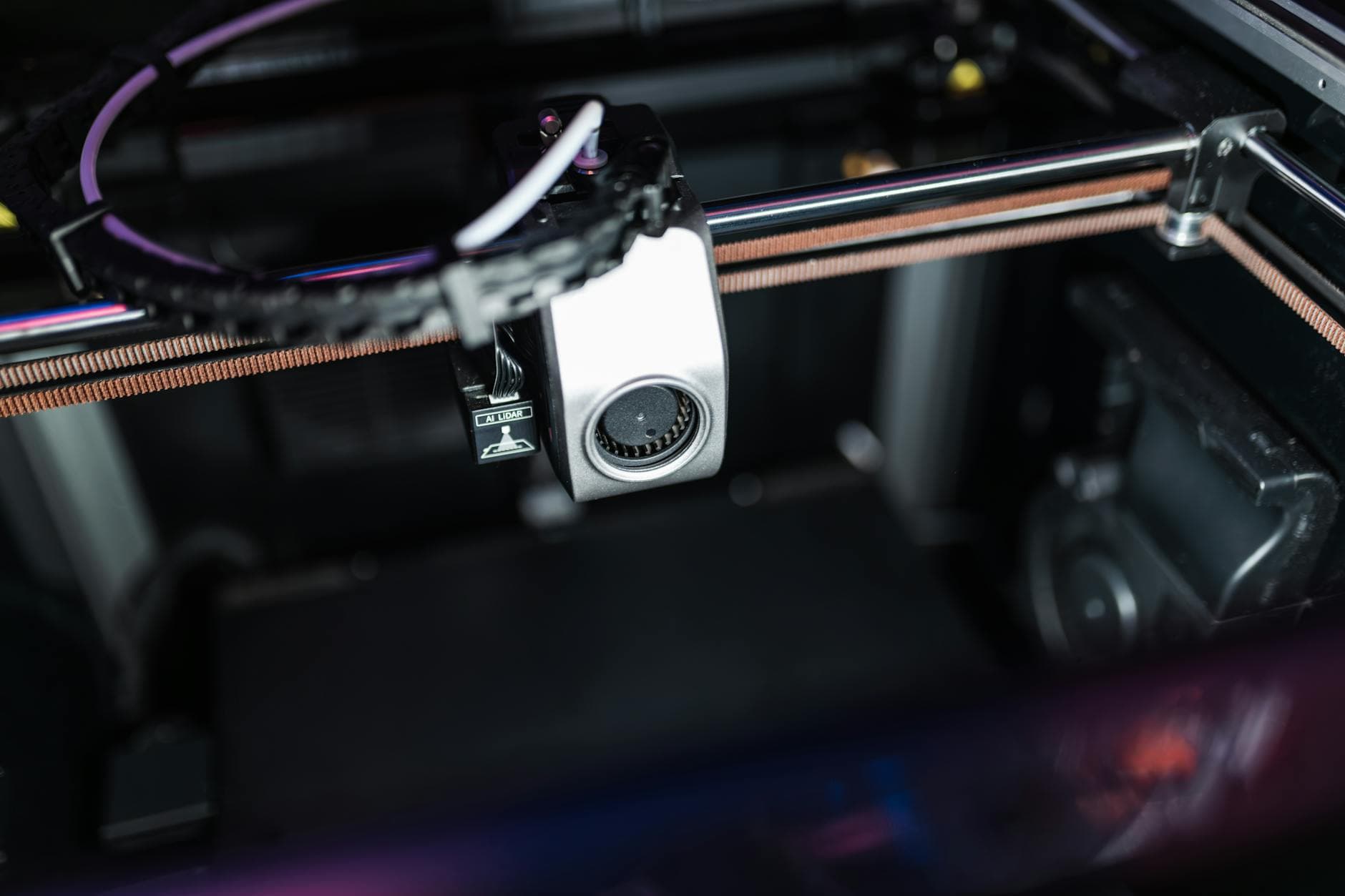
The maintenance angle is not theoretical. One MORSAN case study described a beverage packaging plant in Greece that spent 12 months on a digital spare-parts transformation project centered on 15 critical parts that needed frequent replacement. That is the real-world problem this partnership is chasing: not just printing a part, but making sure the right part is available digitally when a line stops.
It also helps explain the difference between marketing and compliance. “Food-safe filament” by itself does not guarantee a usable part on a production floor. The material has to be selected for the job, then the geometry, surface finish, cleaning exposure, and validation all have to hold up under repeated use. LEHVOSS has already shown that it wants to validate rather than merely advertise materials, including when LUVOCOM 3F PAHT 9825 NT was certified by TÜV SÜD for use on an Ultimaker S5 Pro Bundle.
LEHVOSS’ move with MORSAN points to where industrial 3D printing keeps finding traction: in small, critical parts that have to work the first time and keep working after the washdown, the next shift, and the one after that.
This article was produced by Prism’s automated news system from verified source data, official records, and press releases, then run through automated quality and moderation checks before publishing. The system is built and supervised by the people who set the standards it runs under. Read our full AI policy.
Did this article answer your question?