LightForce launches first patient-specific 3D printed metal orthodontic bracket
LightForce moved 3D printing into mass customization for orthodontics with a patient-specific metal bracket built around six patient variables.
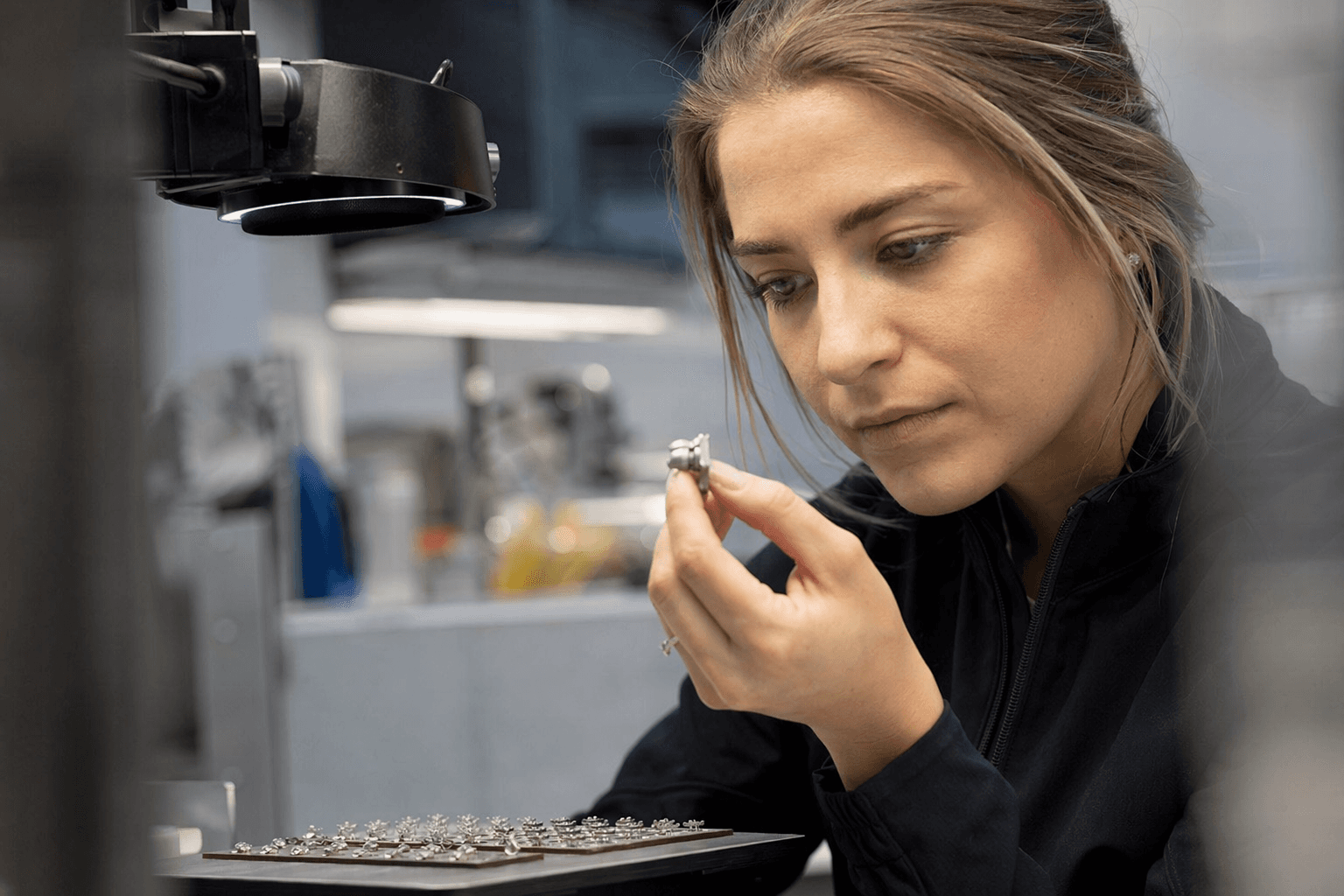
LightForce Orthodontics took a big swing at one of dentistry’s most established hardware categories, launching LightBracket Metal as what it described as the first patient-specific 3D printed metal orthodontic bracket. The Boston company unveiled the product at the American Association of Orthodontists Annual Session in Orlando, Florida, and framed it as a push beyond one-size-fits-all braces and into true generative braces, where the treatment plan becomes the input and the bracket becomes the output.
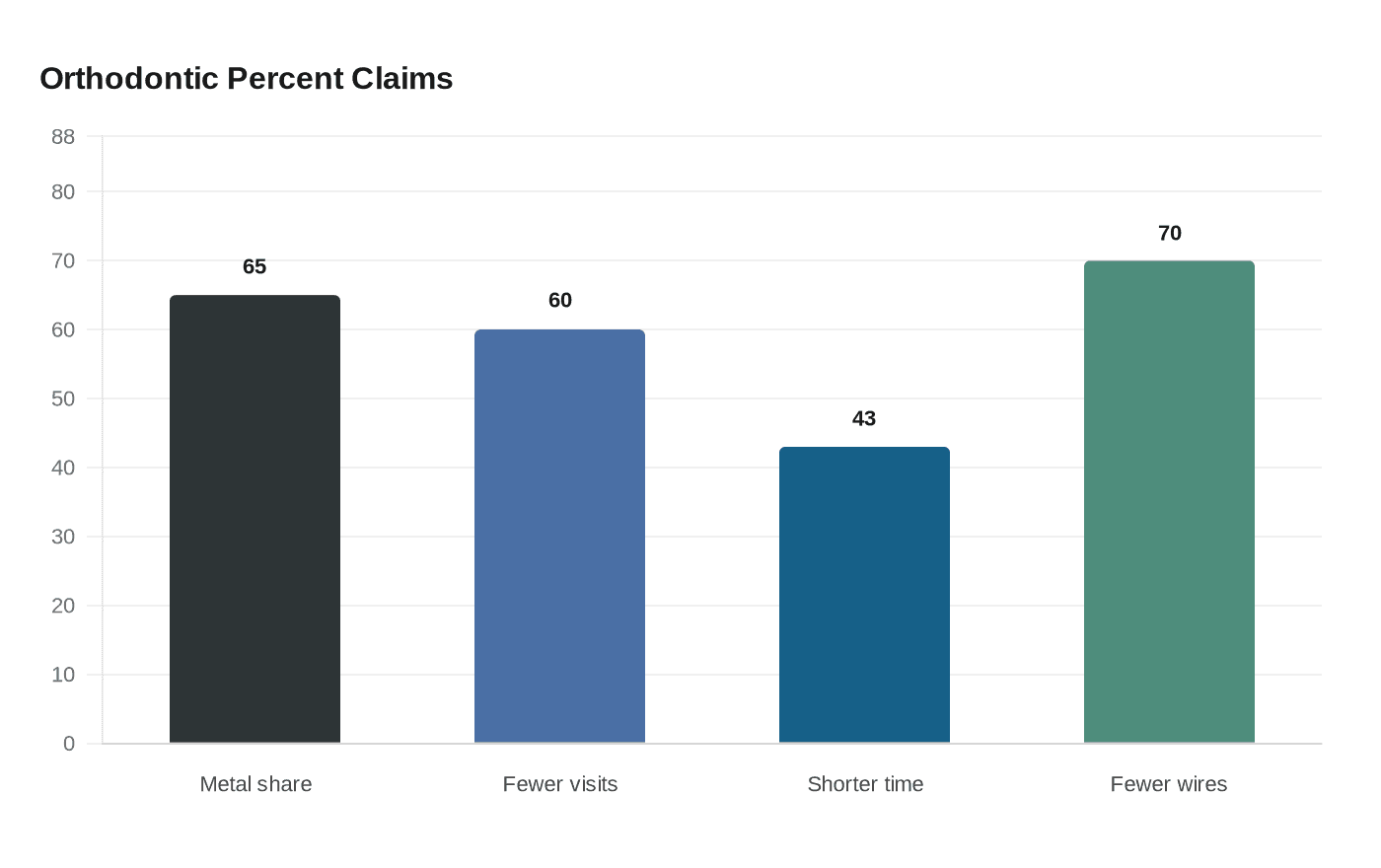
That matters because metal brackets still serve about 65% of orthodontic patients worldwide, making the segment far larger than the custom ceramic niche that first put LightForce on the map. For 3D printing, the significance is hard to miss: this is not a demo part or a one-off surgical tool, but an end-use medical component built for mass customization. The larger lesson for the additive world is clear, personalization keeps beating standardized manufacturing when the workflow is right.
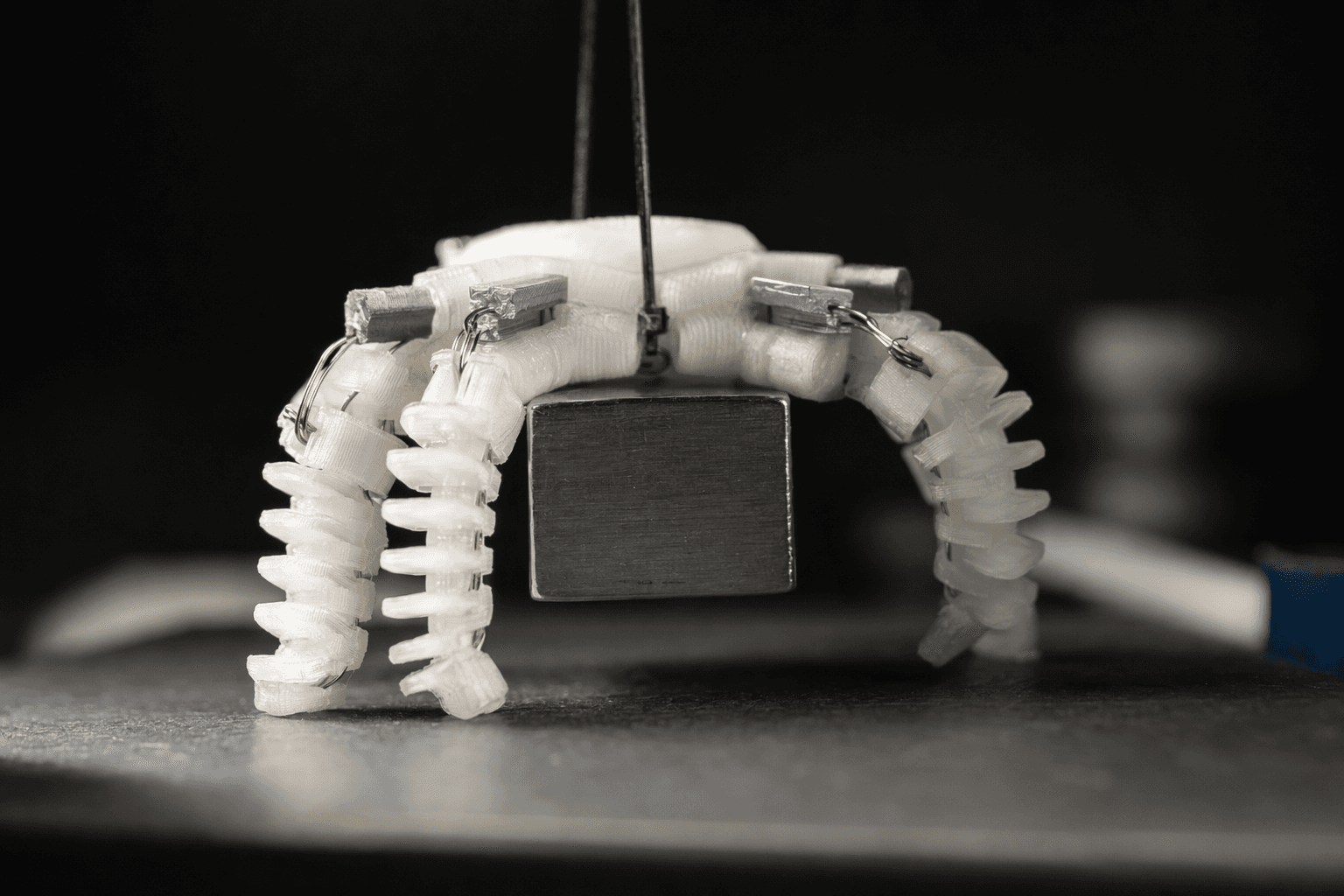
LightForce said each LightBracket Metal is individualized across six parameters: bracket base, slot height, slot prescription, bracket position, tie wings and hooks. The brackets come in three slot sizes, 0.018, 0.020 and 0.022 inches, including bidimensional combinations. The company also said its indirect bonding trays are generated algorithmically, letting clinical staff take on more of the bonding workflow while the bracket itself is produced through a proprietary 3D metal printing process.
The launch builds on performance claims already attached to LightForce’s ceramic system, which the company said has cut appointments by as much as 60% and reduced treatment times by up to 43% compared with conventional braces. LightForce’s site also claims 70% fewer wire adjustments, citing published data from the Journal of Clinical Orthodontics in 2024 and International Orthodontics in 2026. In other words, the metal launch is not just about a new material. It is about extending a treatment model that already showed it could trim visits and speed care into the much bigger metal-bracket market.
LightForce has spent heavily to scale that model. In 2023, it raised $80 million in Series D funding to expand production, open a second digital factory, and push AI-enabled workflows and education. The company says it now operates the world’s largest facility for directly 3D printed functional medical devices by volume, a claim that underlines how far additive manufacturing has moved from prototypes toward reimbursable, patient-specific hardware that can live inside everyday clinical practice.
Know something we missed? Have a correction or additional information?
Submit a Tip