Makelab revamps site with lead-time tools and AI chatbot for customers
Makelab’s new site turns quoting into a workflow tool, with a lead-time calculator, shipping estimator, and AI chatbot built around real production answers.
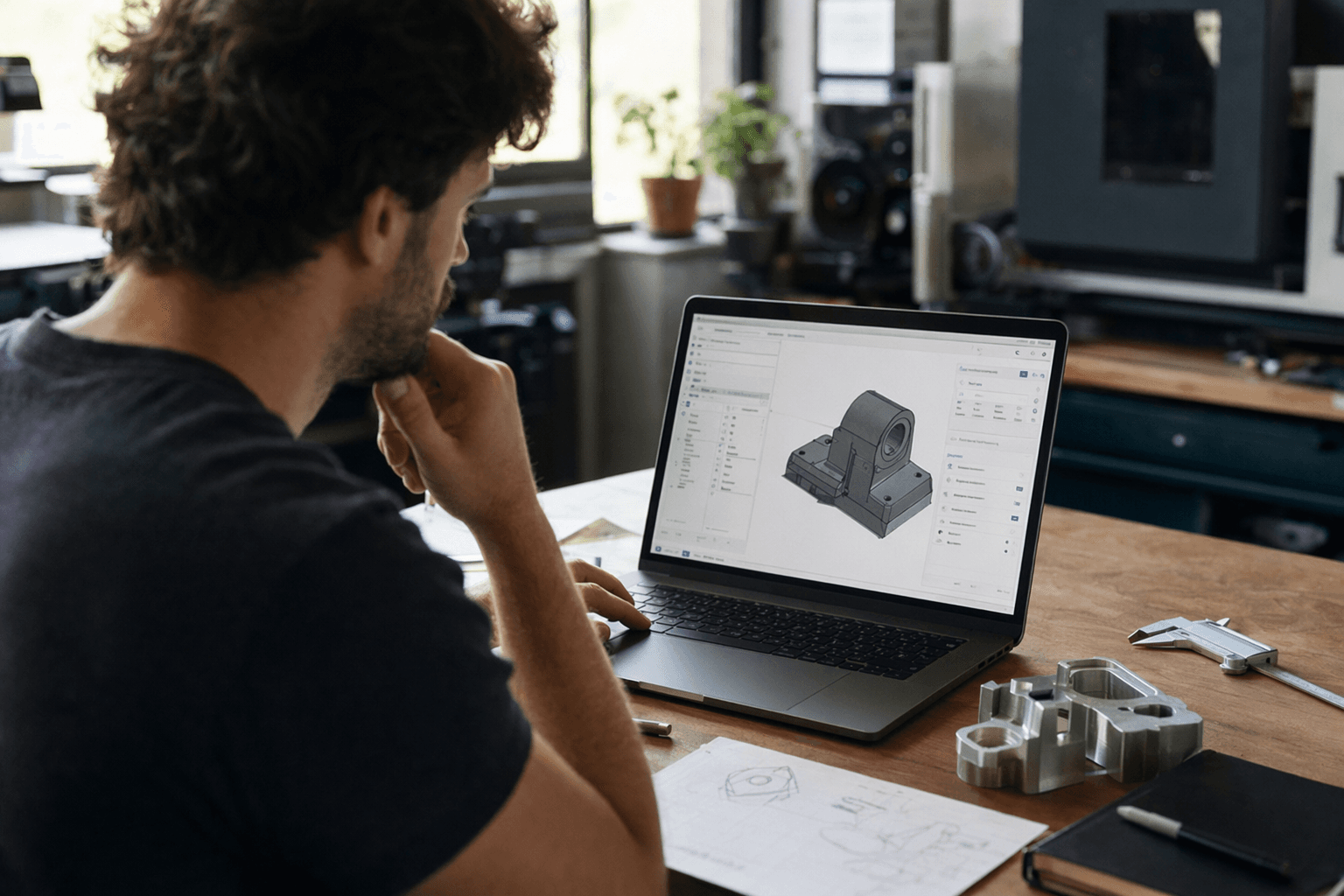
Makelab has rebuilt its website around the kind of questions customers ask before a part ever reaches the printer: how long it will take, what it will cost to ship, and which process is the right fit. The Brooklyn service bureau, founded in 2017 by two Pratt industrial designers, now puts a lead-time calculator, shipping estimator, materials hub, technology comparison tool, project galleries, dark mode, and an AI chatbot front and center as it marks its ninth year. The company says its operation spans FDM, SLA, Industrial SLA, MJF, and FGF, with 6 technologies, 23 materials, more than 5,000 parts per week, and 97% on-time delivery.
That shift matters because Makelab is trying to make service-bureau ordering feel less like waiting on a quote and more like managing a production job. Its process page says lead times run from 1 business day, for next-day work, out to 7 days for extended jobs depending on technology, quantity, and complexity. The help center lays out five lead-time options based on urgency and material choice, while every production account gets a dedicated production engineer and a pre-production feasibility check. From its Brooklyn facility, Makelab says it handles more than 5,000 parts per week and offers same-day pickup plus next-day local delivery in New York City and northern New Jersey, with San Francisco already on the map through Makelab SF.
For readers tracking where additive manufacturing is moving next, the other briefings point farther up the industrial stack. INNOSPACE announced on April 9 that it had commercialized support-free titanium 3D printing in South Korea, a move reported to cut manufacturing time by 2.5x and costs by up to 40%. The target parts are not desk accessories or cosplay props, but aerospace components such as domed high-pressure or propellant tanks, where removing supports can simplify post-processing and open up internal geometries that are hard to make any other way.
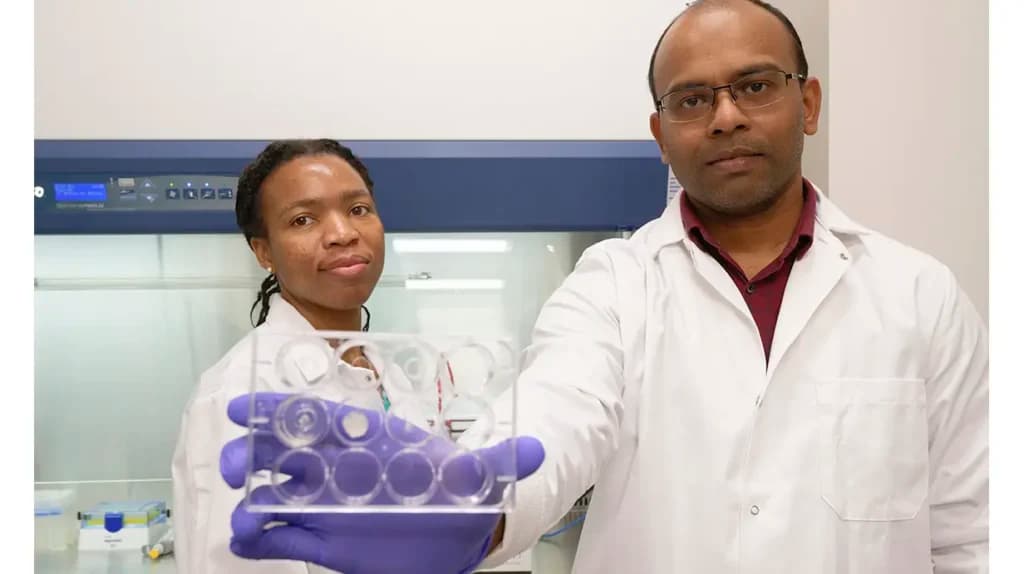
The medical side of the roundup pushes in a similar direction, but with a slower path to everyday use. Recent reviews say 3D printing is increasingly being used for patient-specific dosage forms, implants, and drug delivery systems, with tighter control over geometry, composition, and release behavior. The same reviews also make the constraint clear: clinical adoption depends on evidence, standardization, and scalable manufacturing. That leaves Makelab as the most immediate story in the batch, because its tools solve a problem hobbyists and professionals alike recognize right now: getting a reliable answer fast, before a job goes sideways.
This article was produced by Prism’s automated news system from verified source data, official records, and press releases, then run through automated quality and moderation checks before publishing. The system is built and supervised by the people who set the standards it runs under. Read our full AI policy.
Did this article answer your question?