Mercer team develops two low-cost 3D-printed simulators for rural medical training
Mercer University researchers developed two low-cost 3D-printed medical simulators that target hands-on training for paramedics and medical students in rural Georgia, unveiled February 24, 2026.
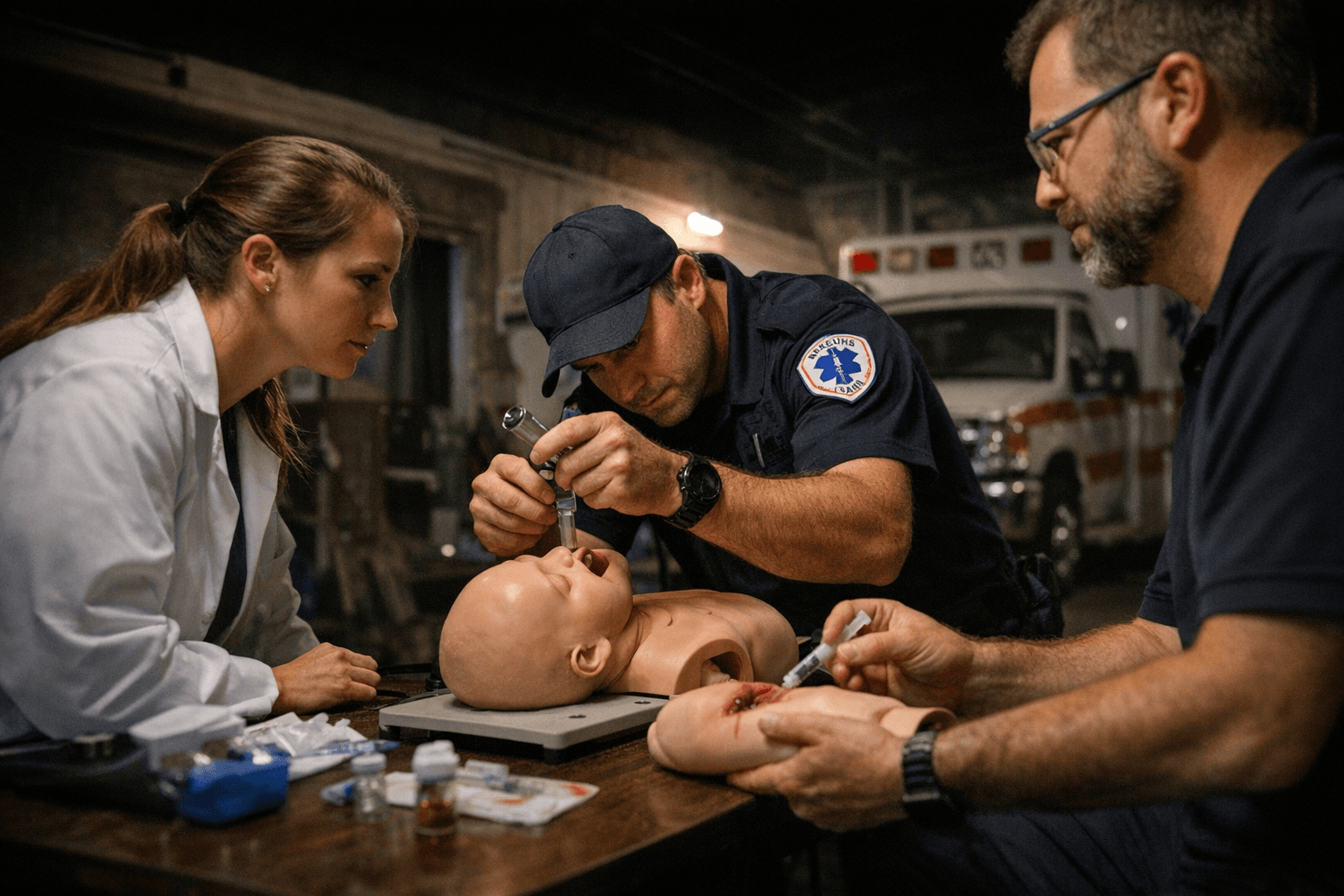
Mercer University’s multidisciplinary team has developed two low-cost 3D-printed medical simulators aimed at lowering the barrier to hands-on emergency training for paramedics and medical students in rural settings. The project, led from Mercer’s campus in Georgia, USA, was made public on February 24, 2026 and explicitly targets training gaps outside urban teaching hospitals.
The pair of simulators were designed by a team that combined clinical and engineering perspectives at Mercer University. The models are 3D printed and intended for use in paramedic and medical school curricula to provide tactile practice where live-patient opportunities are scarce. Mercer researchers emphasized affordability by producing printable designs rather than relying on expensive commercial manikins, and the two-unit approach was chosen to address multiple rural training scenarios for prehospital and classroom use.
Mercer presented the designs and summary of the work on February 24, 2026, framing the effort as a practical response to rural training shortfalls. The university’s multidisciplinary approach pooled clinical instructors and engineers to create printable simulators that can be replicated by programs with desktop FDM or resin printers. By sharing printable models, Mercer aims to let rural EMS educators and small medical programs build their own hands-on tools instead of purchasing costly off-the-shelf simulators.
The development emphasizes usability in constrained settings common to rural Georgia and similar regions. Mercer’s low-cost strategy focuses on reducing up-front expense and logistical hurdles for training programs that lack access to centralized simulation centers. Two distinct simulators give paramedics and medical students targeted practice without requiring transport to urban medical schools, an important factor for rural programs with limited training budgets and travel resources.
This work represents a concrete, locally rooted step from Mercer University toward scalable simulation for rural emergency care education. By concentrating on printable models and multidisciplinary design, the project provides a reproducible option for paramedic instructors and medical educators working in resource-limited areas. Mercer’s February 24, 2026 disclosure makes the designs available for adoption and adaptation by rural training programs seeking cost-effective hands-on practice.
This article was produced by Prism’s automated news system from verified source data, official records, and press releases, then run through automated quality and moderation checks before publishing. The system is built and supervised by the people who set the standards it runs under. Read our full AI policy.
Did this article answer your question?