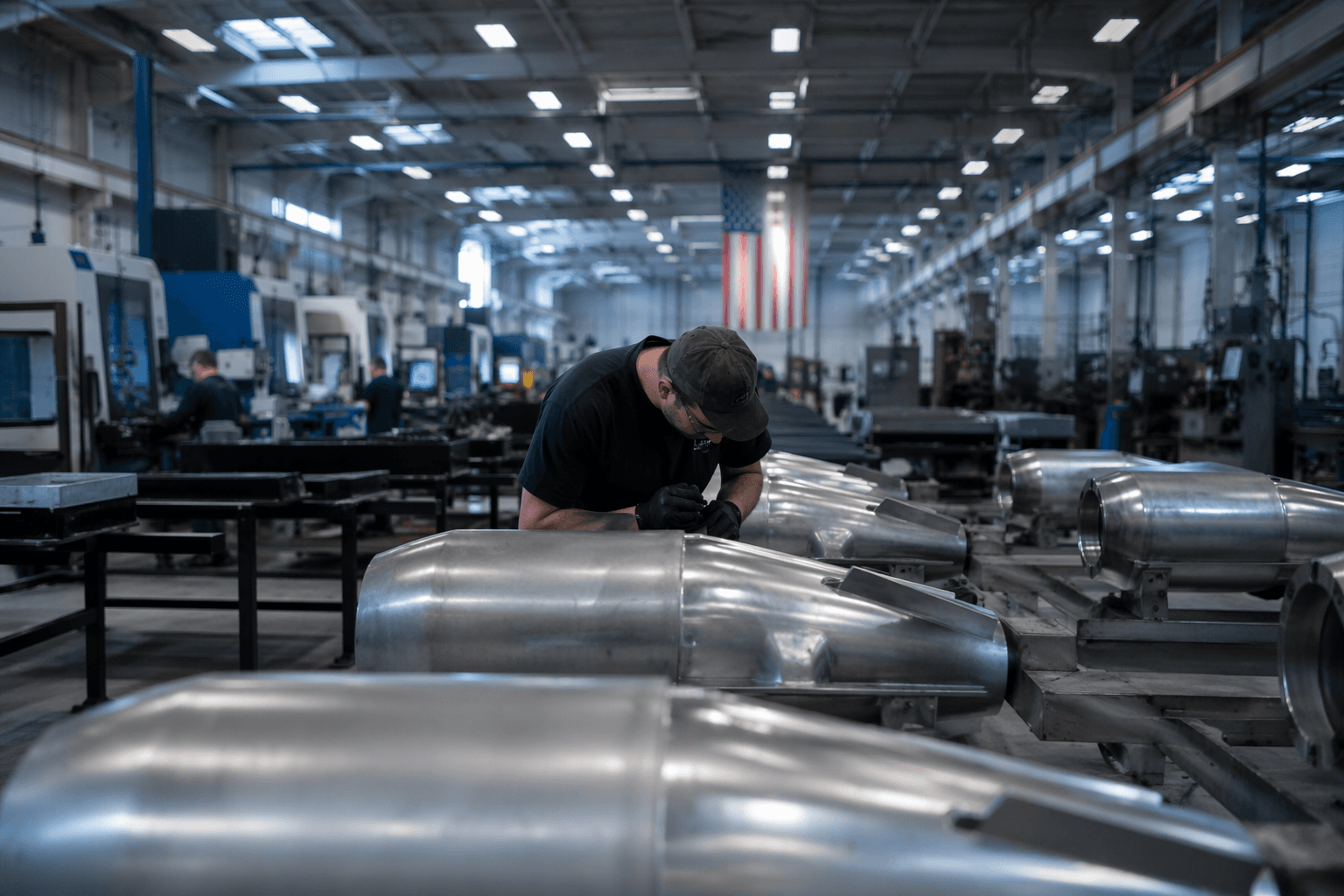
Optimized 3D printer completes Benchy benchmark in just 74 seconds
A Roetz 4.0 experimental printer hit Benchy in 74 seconds, but the bigger story is which speed tricks home users can actually copy.
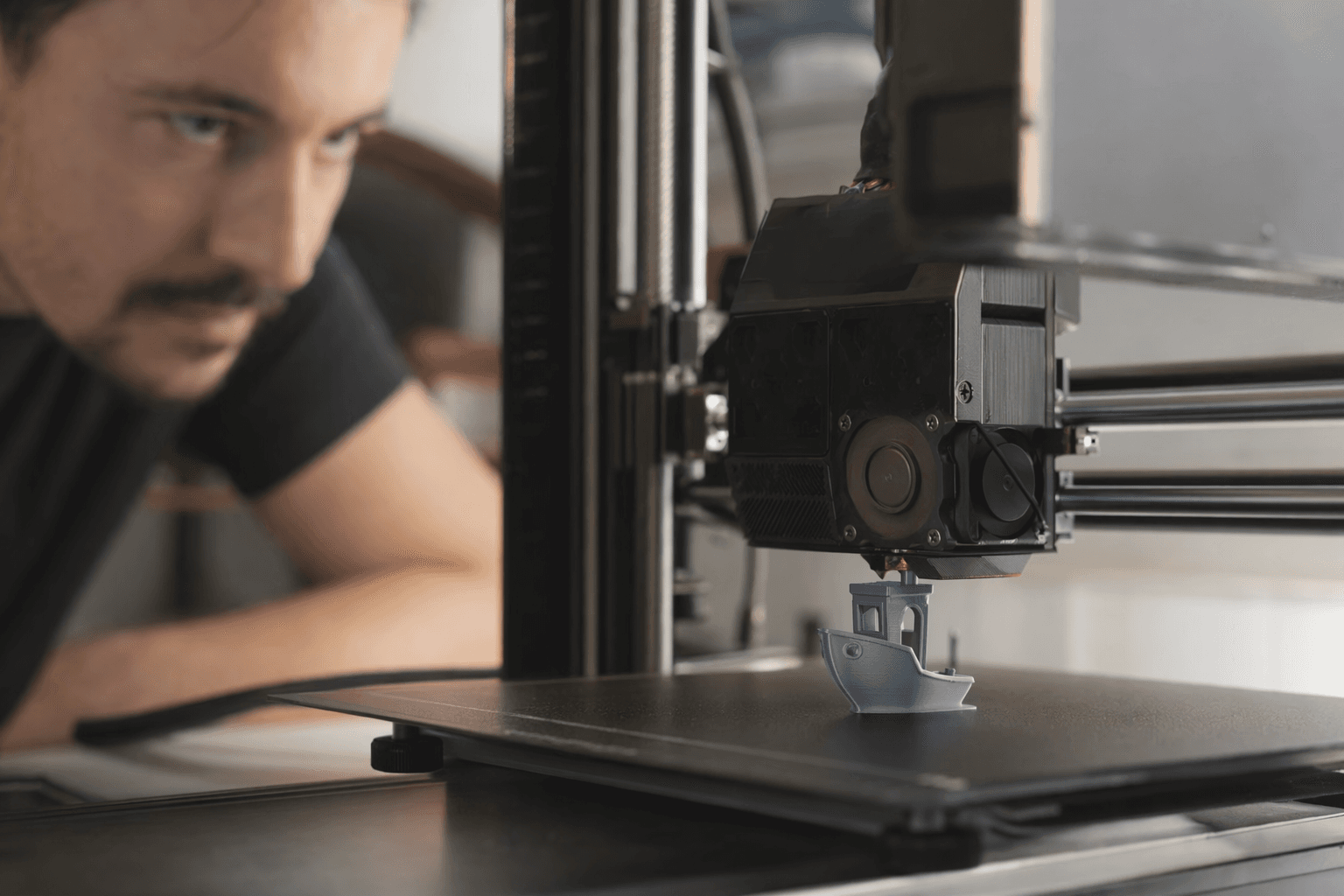
A 3D printer has turned the humble Benchy into a 74-second warning shot for the rest of consumer FDM. The run, shown in a Roetz 4.0 video titled Printing a 3D-Benchy in 74 SECONDS, used advanced input shaping, added rigidity and resonance mitigation to push the tiny test boat far past normal hobby print speeds.
That matters because #3DBenchy is not just a meme model. Daniel Norée and Creative Tools AB created it in 2015 as a public-domain benchmark to make printer testing simpler, and the model was built to print at 1:1 scale without support material. With a listed volume of 15.55 cm3, it is small enough to finish quickly, but demanding enough to expose overhang problems, bridge quality, surface finish issues, dimensional accuracy and warping. The project says the model typically prints in well under two hours on ordinary printers, which makes a 74-second result feel less like a standard run and more like a boundary test.
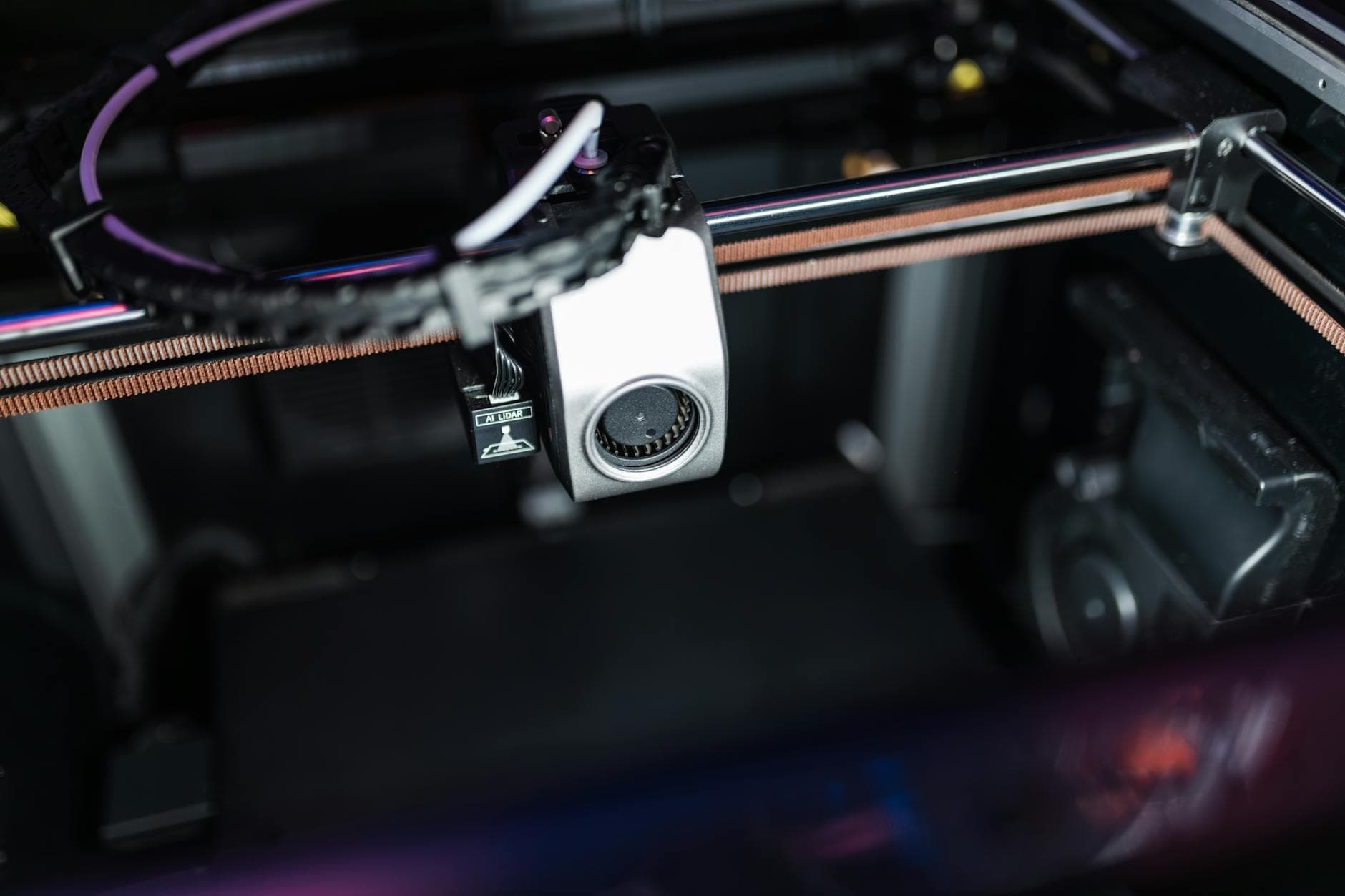
The practical lesson for hobbyists is that the fastest gains usually come from settings and mechanics, not magic. Input shaping, stronger frame stiffness and resonance control are the kinds of upgrades that can travel from an experimental machine into a well-tuned home build. What is harder to copy is the full package of extreme speed engineering behind a purpose-built printer like the one Roetz 4.0 describes as experimental hardware made for extreme speed. The difference between a fast machine and a record machine is often in how much vibration the frame can absorb before quality falls apart.
That is why the 74-second Benchy is more than a stunt, even if it still looks like a stunt. It shows how far high-speed FDM has moved, but it also exposes the limits of current consumer benchmarking. Benchy remains useful because it is standardized, public domain and widely shared, with the project saying it has reached 500,000 Thingiverse downloads and become the site’s most popular design. It is the same boat that can reveal whether a printer is tuned for real work or only for a perfect demo.
Roetz 4.0 has been circling this territory for a while, with earlier speed-printing experiments including 3D-Benchy Speedrunning Any%, Testing Helium Cooling on Worlds Fastest Printer and Water-Cooled 3D Benchy on Worlds Fastest 3D Printer. The 74-second result suggests the next frontier is no longer whether a Benchy can be rushed out, but whether consumer FDM can keep that pace without losing the print quality that still matters in everyday parts.
This article was produced by Prism’s automated news system from verified source data, official records, and press releases, then run through automated quality and moderation checks before publishing. The system is built and supervised by the people who set the standards it runs under. Read our full AI policy.
Did this article answer your question?