Polysynth Mini debuts with intelligent resin swapping for multi-material prints
Polysynth’s demo put intelligent resin swapping in the spotlight, with just 409 TikTok followers and a pitch aimed at cutting waste and workflow friction.
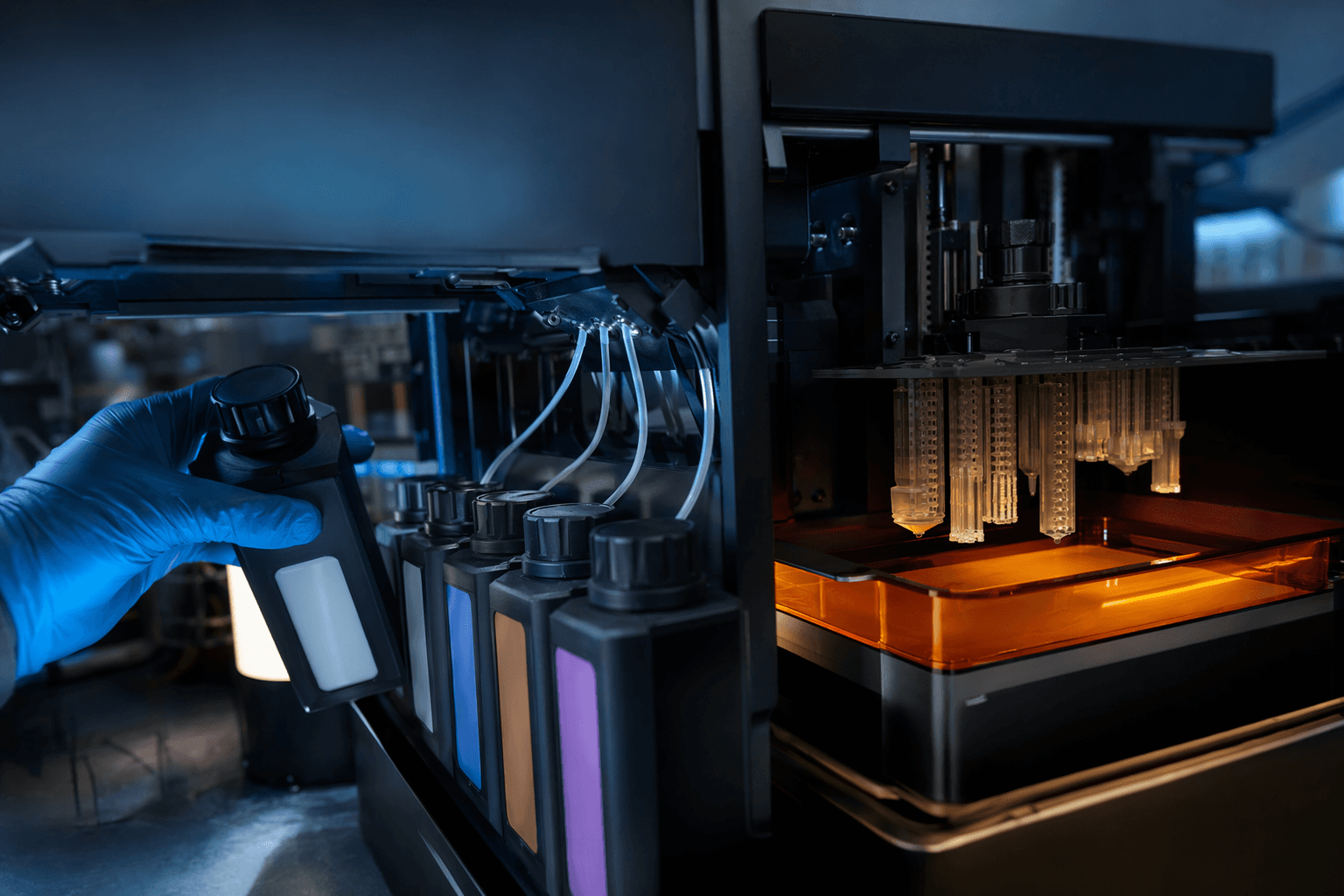
A viral demo has thrown Polysynth Mini, also called Polysynth P1, into the center of one of desktop resin printing’s messiest problems: how to switch materials without wasting resin or turning every job into a cleanup marathon. Polysynth’s public site currently teases the machine as “Introducing Poly1 Multi-material resin 3D printer. More details coming soon,” while its roadmap says Polysynth 1 introduces a new category of 3D printing by combining multiple materials in a single print with a proprietary vat cleaning system.
That promise is what has makers talking. If the swap system is reliable, the appeal is obvious: less resin left behind in the vat, less manual purging, and fewer workflow interruptions when a print calls for multiple colors or material properties. If it is not, the machine risks becoming another polished prototype moment, impressive on video but hard to trust on a production bench. Polysynth’s TikTok account, based in San Francisco, California, showed 2,449 likes and 409 followers in the latest crawl, a tiny footprint for a clip that has already spread well beyond its own audience.
Polysynth is also framing the machine for a very specific market. Founders, Inc. describes the company as designing and manufacturing multi-material resin 3D printers built specifically for dental labs, with printers tuned for reliable, high-quality resin output in day-to-day lab production. PitchBook says the platform combines automated calibration, precise resin curing, and seamless multi-material switching in a single workflow. That positioning matters because dental users do not just want novelty. They want repeatable output, predictable cleanup, and materials that behave consistently from job to job.
Eric, whom a Founders, Inc. video identifies as Polysynth’s founder, says he has been working on multi-material resin printers for applications ranging from dentures to conductive PCBs. A YouTube Short posted two weeks before the latest crawl pushed the same ambition even harder, calling the machine “the first ever Multi Material Resin 3D Printer.” That kind of claim will draw attention, but the real test is whether the swap mechanism can handle the practical demands of multi-resin work without dragging operators back into manual cleanup.
The broader market is ready for the idea. A 2025 medical 3D-printing study said multi-resin printing can create customized artificial teeth with radiopacity and pulp-cavity detail for preclinical endodontic training, while a 2025 dental review noted that multi-material systems can print five different grades of materials in more than 500,000 colors. Earlier systems such as Stratasys’ J720 Dental and J750 Digital Anatomy already proved the technical path, and dental labs have been evaluating multi-material printers for future production needs. Polysynth now has to show that its version is not just possible, but practical.
This article was produced by Prism’s automated news system from verified source data, official records, and press releases, then run through automated quality and moderation checks before publishing. The system is built and supervised by the people who set the standards it runs under. Read our full AI policy.
Did this article answer your question?