OSU Center Awarded $344K to Upskill Small Manufacturers in 3D Printing
Ohio State University's CDME received a one-year $344,000 SBA grant to deliver hands-on training that helps small manufacturers adopt modern practices, including additive manufacturing.
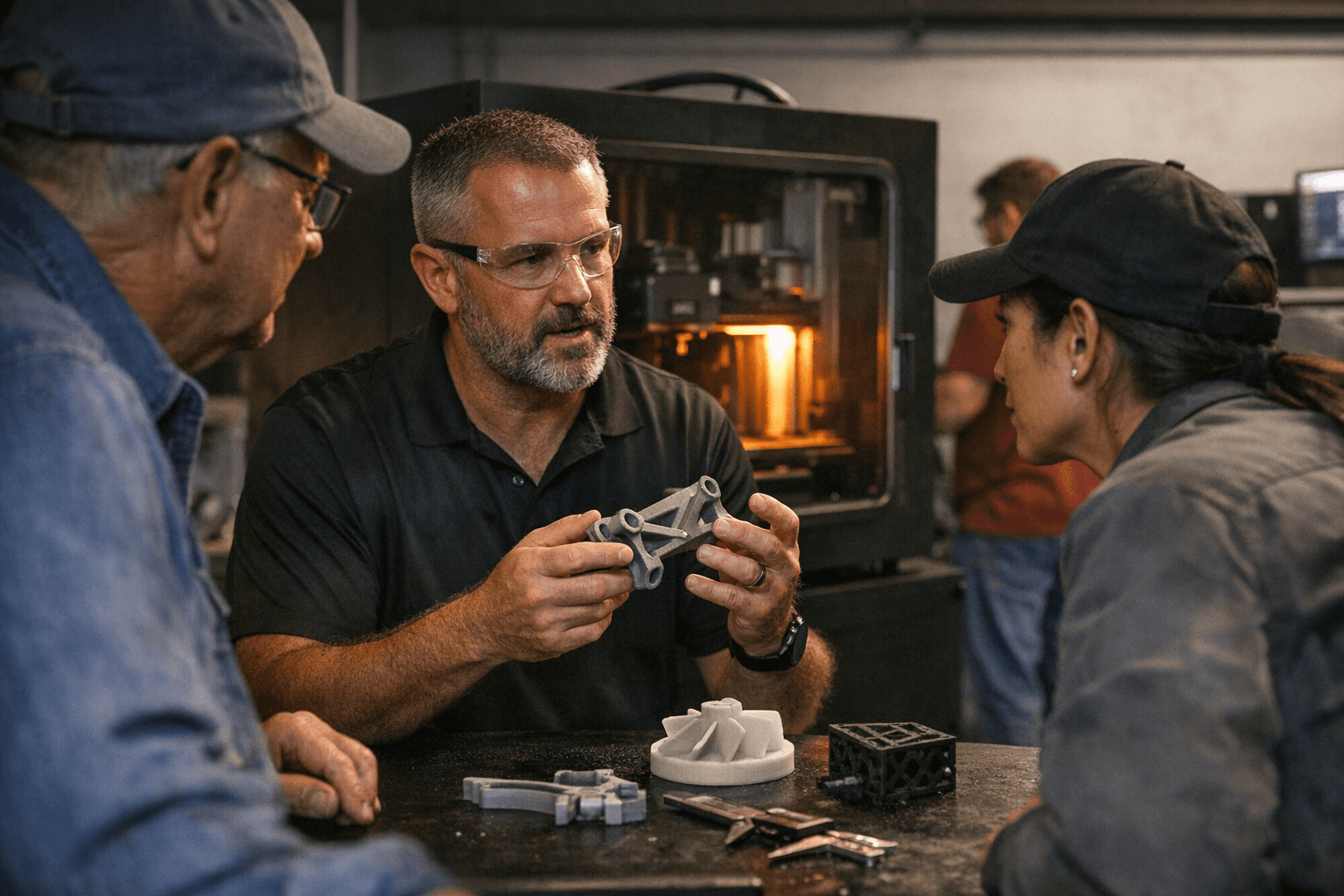
The Ohio State University Center for Design and Manufacturing Excellence (CDME) won a one-year $344,000 grant from the U.S. Small Business Administration’s Empower to Grow (E2G) program to upskill small manufacturers in practical shop-floor skills and modern manufacturing methods. The award will fund instructor-led, hands-on training aimed squarely at assemblers, inspectors, and machinists, and will include relevant aspects of additive manufacturing.
The grant, announced on January 21, 2026, directs resources toward reskilling and upskilling local manufacturing workforces so small firms can implement updated production techniques. CDME plans to use the money to run workshops and training sessions that emphasize practical competencies rather than theory. That focus targets immediate bottlenecks on shop floors where small manufacturers often lack time or resources to adopt new workflows or inspect additive parts to production tolerances.
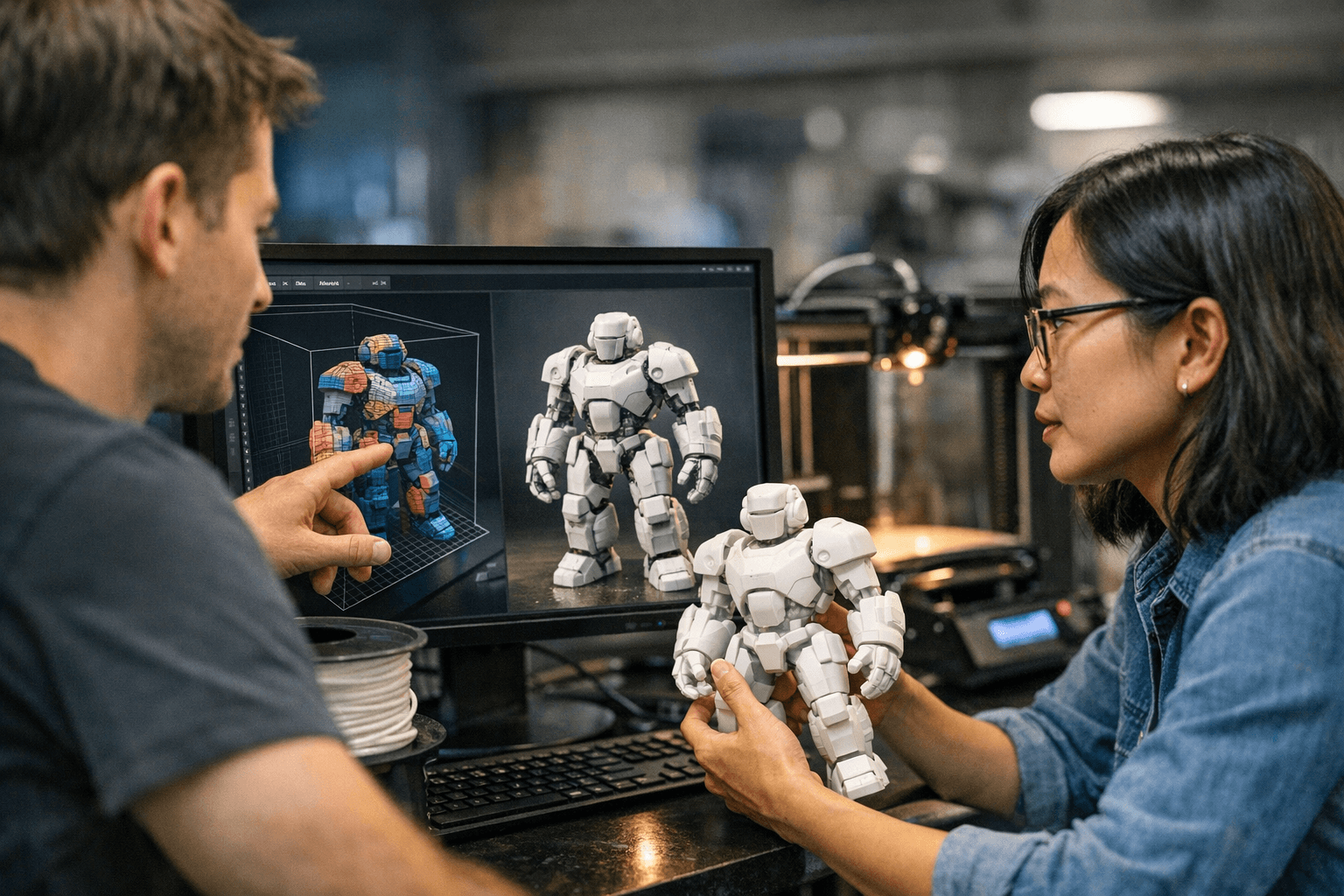
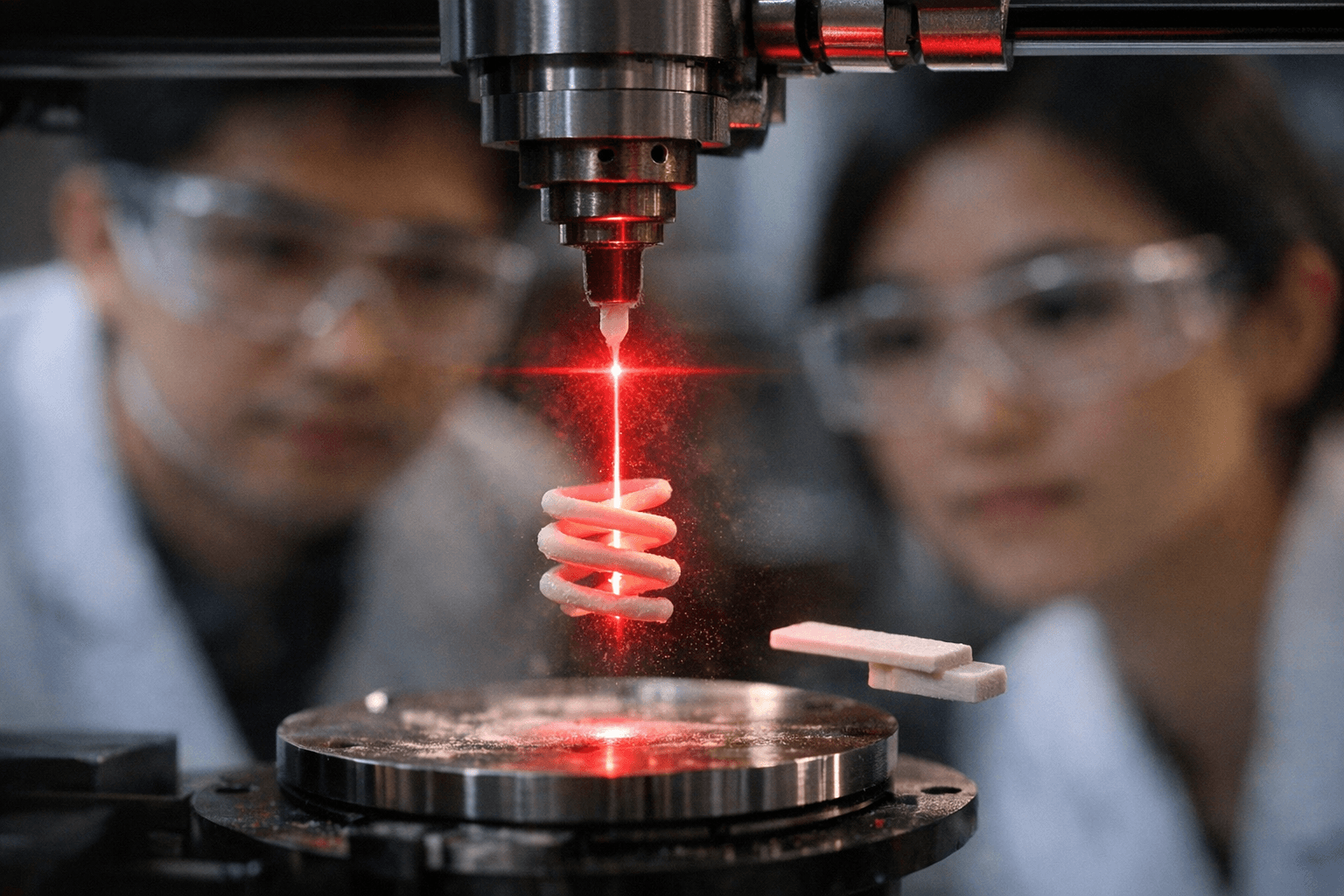
For the 3D printing community, the grant lowers a barrier that often separates hobby-level familiarity from industrial adoption. Assemblers and inspectors will be trained to integrate printed components into assemblies, evaluate printed part quality, and align inspection practices with machinist workflows. Machinists will gain exposure to how additive processes can complement subtractive operations, smoothing handoffs between printed prototypes and precision metal work. These are the kinds of real-world linkages that help shops move from experimenting with printers to using them as production tools.
The E2G funding is explicitly practical. CDME’s approach favors instructor-led sessions that simulate on-the-job tasks, so participants spend time on machines, measuring parts, and troubleshooting production issues. That model helps small manufacturers without large training budgets or in-house trainers to rapidly build competency in both traditional manufacturing and additive-adjacent practices where relevant.
Local supply chains stand to benefit as well. Small manufacturers that upskill assemblers, inspectors, and machinists can reduce outsourcing, shorten lead times, and improve part quality for regional clients. For makers who operate small shops or run contract manufacturing, improved inspection practices and additive knowledge can translate into tighter tolerances, fewer reworks, and better margin on short-run jobs.
What comes next is a year of curriculum delivery and measurable workforce upgrades. CDME will run the funded programs over the one-year grant period, giving small manufacturers practical pathways to integrate modern techniques into everyday production. For builders and shop owners, expect more accessible, hands-on training options that bridge the gap between the build plate and the shop floor.
Know something we missed? Have a correction or additional information?
Submit a Tip