Prusa launches browser tool for shaded multicolor 3D prints
Prusa’s new browser app lets multicolor parts fake painted depth, so display models can look finished before a brush ever touches them.
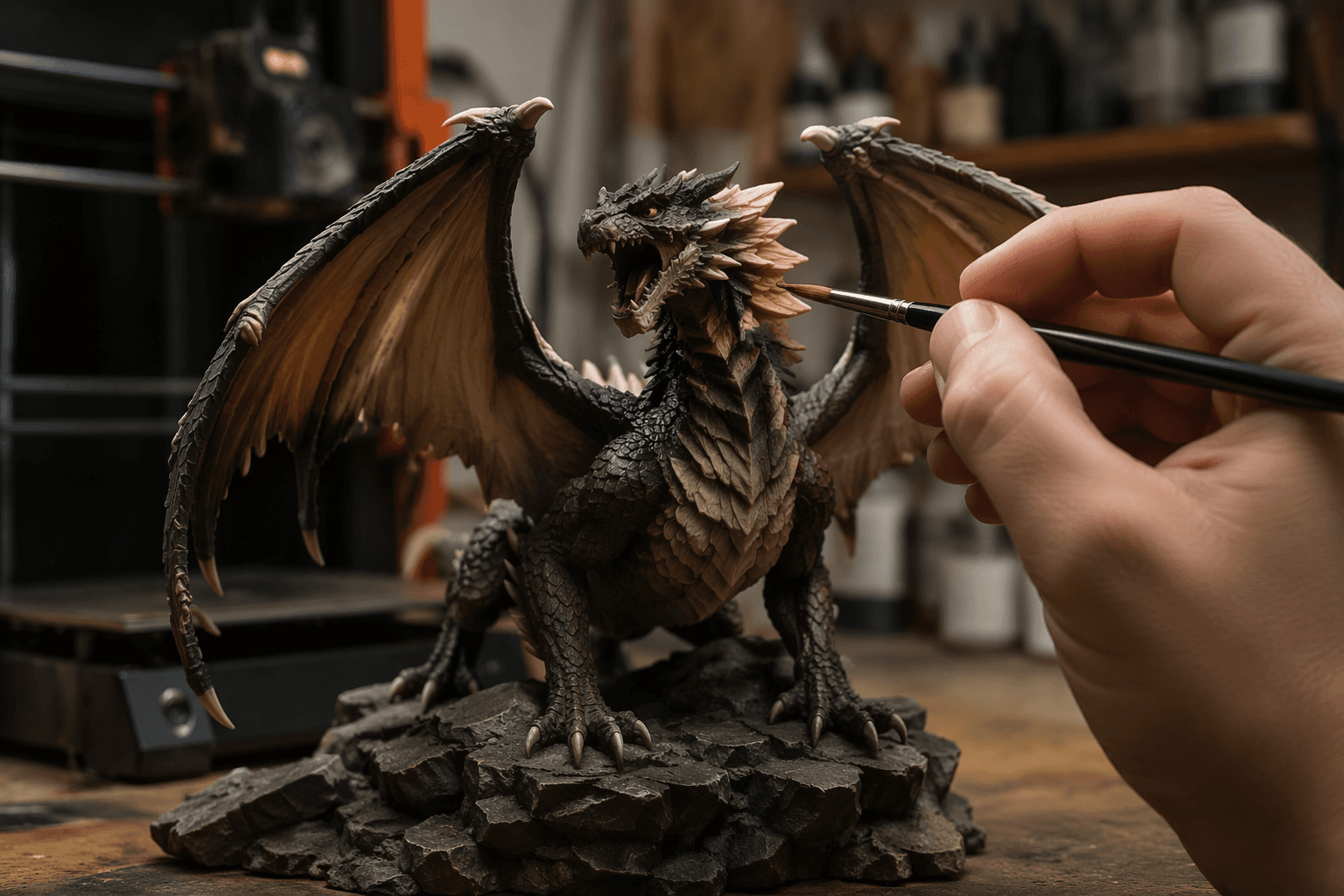
Prusa has pushed multicolor printing past simple filament swaps and into something closer to digital painting. The company followed its May 26 ColorMix launch with a free browser app on June 3 that lets makers add realistic shading to a model before it ever reaches the printer, aiming squarely at display pieces, signage, figurines, and cosplay props.
The new workflow is built around the idea that depth can be simulated, not hand-painted. Prusa says the ColorMix model was calibrated against measured FDM prints, then tied into the OpenPrintTag Material Database and integrated directly into PrusaSlicer and EasyPrint. The company is also preparing a dedicated Prusament CMYKW set, giving the system a material stack that matches the software side more closely. Prusa says the model is published under the MIT license, which fits its broader open-source posture rather than a locked-down feature.
The June 3 follow-up is the part that changes the day-to-day workflow. The shading app runs entirely in the browser on the user’s computer, and its GitHub repository describes it as a client-side STL and OBJ color-material preview and 3MF export tool. Mesh parsing, preview rendering, material assignment, and 3MF packaging all happen locally, so a user can take an existing model, test a shaded look, and move it into the normal printing pipeline without bouncing between heavy desktop tools.
That matters because the best use cases for multicolor prints are often the ones that benefit most from controlled light and shadow. A sign with recessed lettering, a figurine with sculpted armor, or a cosplay prop with panel lines can read as more finished when the color layout already suggests highlights and depth. Prusa frames the effect as a digital version of zenithal priming, the familiar postprocessing technique taught in its Prusa Academy course, where light and dark areas help the eye read volume. Instead of spraying primer, the app uses a virtual light source to create that same visual cue in software.
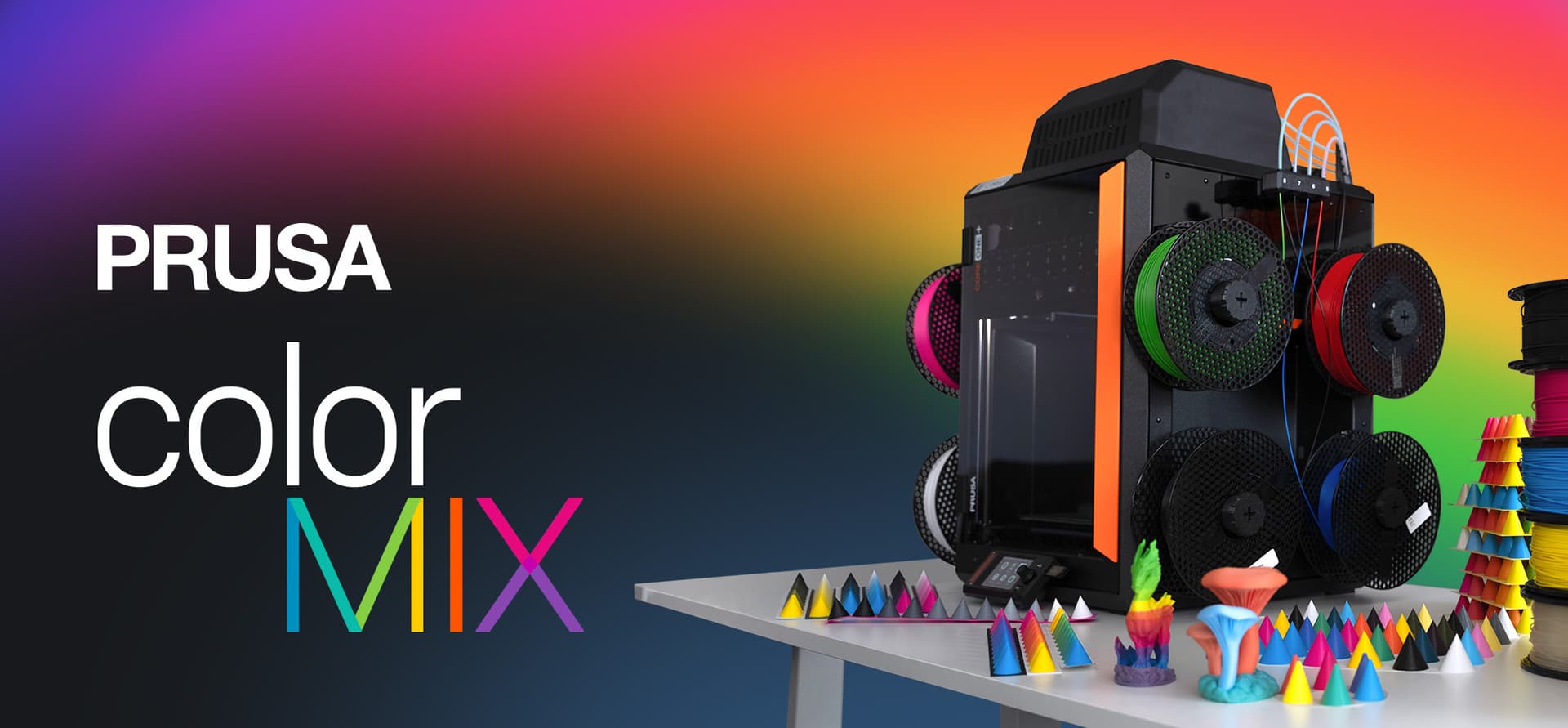
Prusa credits Ondrej Bartas as the main author of the ColorMix implementation and says Kryštof Kohout handled the shading-app article and development. The company also points to earlier community experiments, including Ratdoux’s OrcaSlicer-FullSpectrum, Justin H. Rahb’s filament-mixer, and PeggyPalette, as proof that the idea had already earned a foothold. The result is a workflow that makes shaded multicolor prints feel less like a novelty and more like a practical production step, especially when the goal is to make a model look painted without actually picking up a brush.
This article was produced by Prism’s automated news system from verified source data, official records, and press releases, then run through automated quality and moderation checks before publishing. The system is built and supervised by the people who set the standards it runs under. Read our full AI policy.
Know something we missed? Have a correction or additional information?
Submit a Tip