Prusa launches ColorMix, bringing calibrated filament blending to EasyPrint
Prusa’s ColorMix turns a small spool set into dozens of blended tones, with a calibrated model that beats naive RGB mixing and lands in PrusaSlicer and EasyPrint.
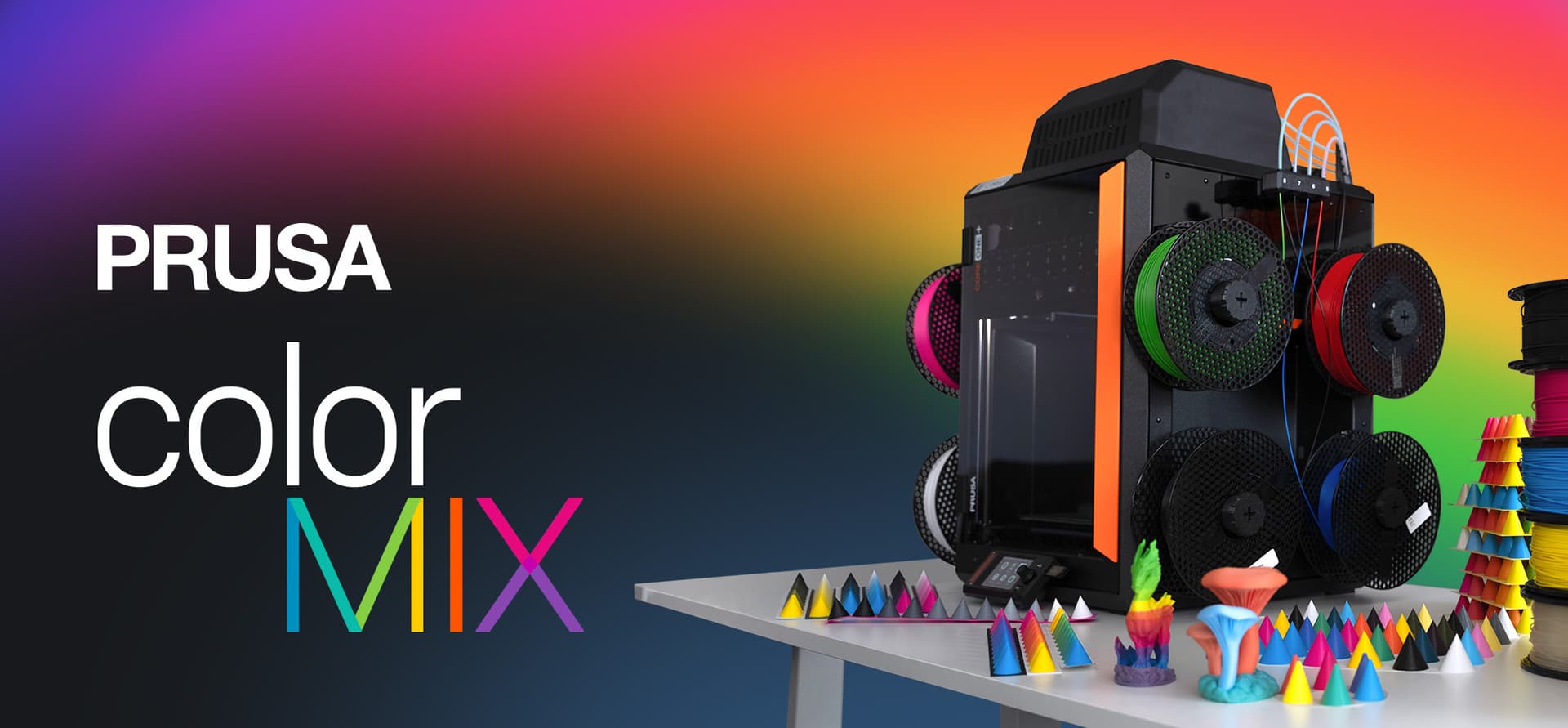
Prusa Research turned a hobbyist color-mixing experiment into a formal workflow for EasyPrint and PrusaSlicer, and the pitch is simple: fewer spools, more usable colors. ColorMix lets users mathematically blend multiple filaments to preview and print dozens of intermediate tones, using a calibrated model instead of the rough guesses that usually come with multicolor jobs.
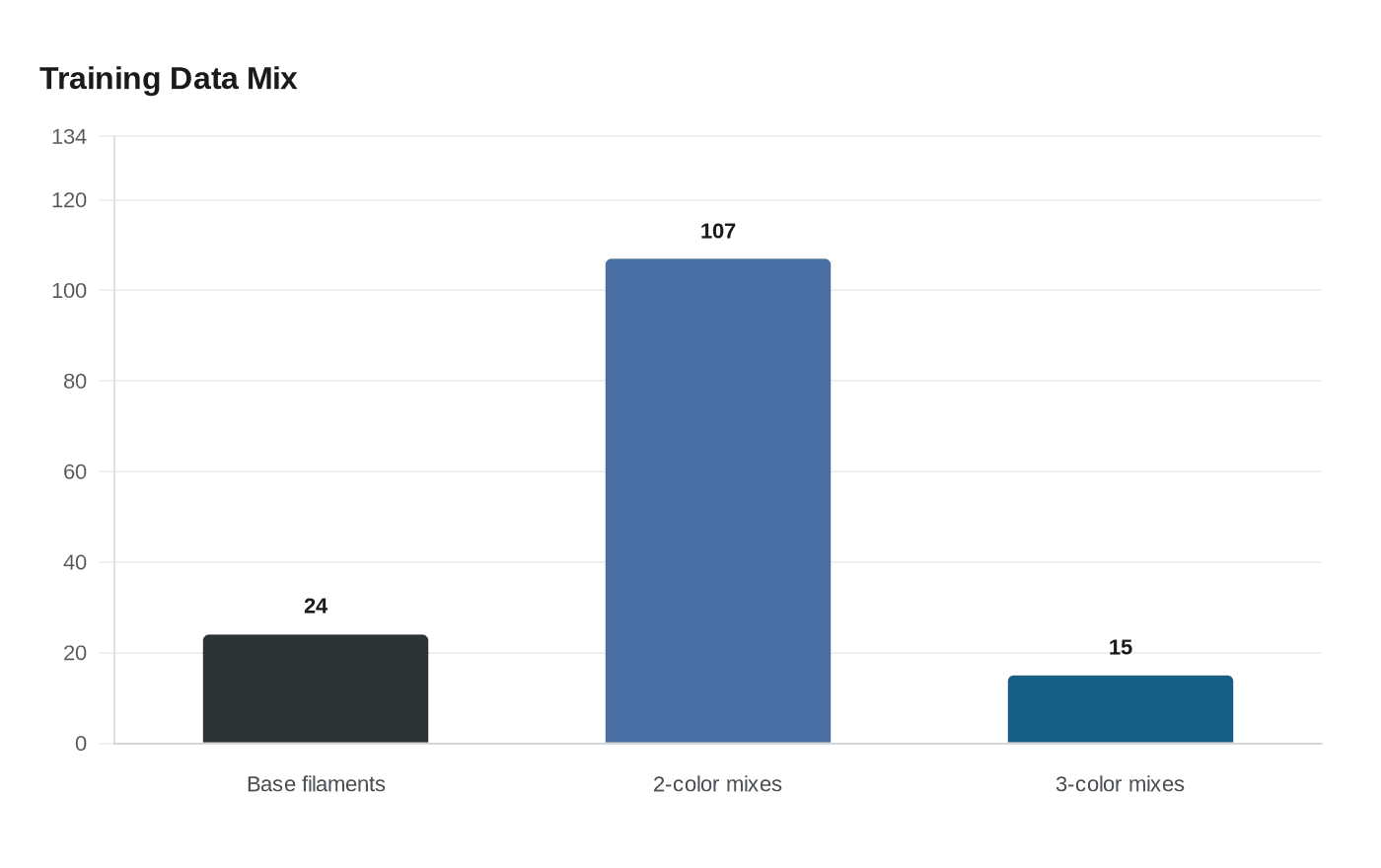
The feature shipped through PrusaSlicer 2.9.6 beta and EasyPrint on May 26, 2026, and Prusa tied it to real material data through the OpenPrintTag Material Database. The company says the model was trained on 146 measured entries, made up of 24 base filaments, 107 two-color mixes and 15 three-color mixes. Those swatches were flat-printed, measured with a colorimeter under controlled lighting and entered in CIELAB, which gives the previews a much better shot at matching the final part than simple RGB math.

Prusa’s GitHub materials say the model is MIT-licensed, uses no runtime dataset and runs on about 50 lines of math. The company says it reaches a median E2000 of about 5.7 against measured truth, compared with roughly 14.5 for naive linear-RGB mixing. That is the kind of difference that matters when the print itself is the product, whether the job is a logo plate, a gradient art piece or a model where the shade has to land close to the target the first time.
The hardware side is being pushed just as deliberately. Prusa said it is preparing a dedicated Prusament CMYKW set built around semi-transparent cyan, magenta, yellow, black and white filaments, and it has linked ColorMix to its INDX tool-changer ecosystem for the CORE One+ as part of a broader move toward more color-versatile multi-material setups. The workflow also leans on OpenPrintTag, an open NFC standard and community material database meant to load filament data into the printer, mobile app and slicer without extra friction.
For hobbyists, the appeal is less about novelty than control. ColorMix promises a clearer preview, less slicer guesswork and a path to richer multicolor prints without stepping into a full industrial color system. The tradeoff is equally clear: the feature depends on calibrated material data, and Prusa is still expanding the library behind it. Even so, the launch pushes color mixing closer to a repeatable print workflow and further from a clever one-off hack.
This article was produced by Prism’s automated news system from verified source data, official records, and press releases, then run through automated quality and moderation checks before publishing. The system is built and supervised by the people who set the standards it runs under. Read our full AI policy.
Know something we missed? Have a correction or additional information?
Submit a Tip