Prusa launches PLA High Speed filament for faster prototyping
Prusa's PLA High Speed targets faster prototypes on existing machines, with claimed 20% to 40% time cuts and five colors for bench-friendly parts.
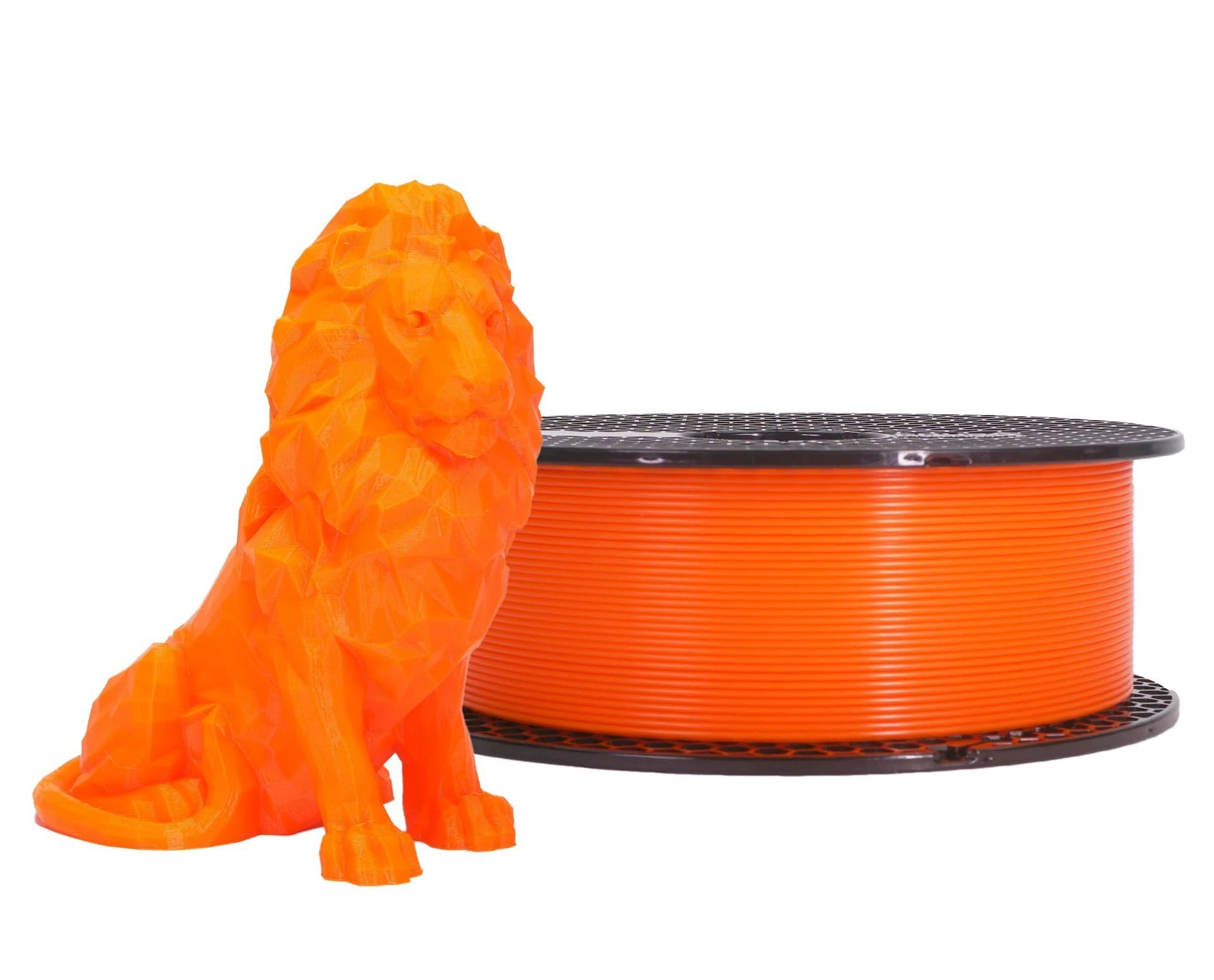
Prusa’s new Prusament PLA High Speed lands with a blunt promise: if the printer is already fast, the filament should not be the bottleneck. The company dated the launch post June 22, 2026, and positioned the material for rapid prototyping without forcing users into a hardware retrofit. Prusa’s pricing for the spool came in at 32.90 euros including VAT.
Prusa says the filament can trim print time by roughly 20% to 40%, depending on a model’s shape and size. That matters most on the kinds of parts that dominate a serious desktop workflow, including jigs, brackets, fixture pieces, enclosure components, and test coupons, where a faster revision loop is worth more than a marginal material tweak. The filament shipped in five colors, Prusa Orange, Prusa Galaxy Black, Pristine White, Lipstick Red, and Gravity Grey, which makes it easier to keep functional parts organized on a busy bench.
The technical case is built around throughput, not novelty. 3Druck reported that Prusa puts the CORE One+ at 28 mm³/s at 220 C, compared with 24 mm³/s for classic Prusament PLA at the same temperature, and says the new PLA’s higher melt flow index and shear-thinning behavior help it run steadily at that pace. Prusa also introduced an anisotropy coefficient of tensile strength for the material and gave Prusament PLA High Speed a score of 0.60. The company says the finish runs satin to glossy, which can expose print flaws more readily than matte PLA.
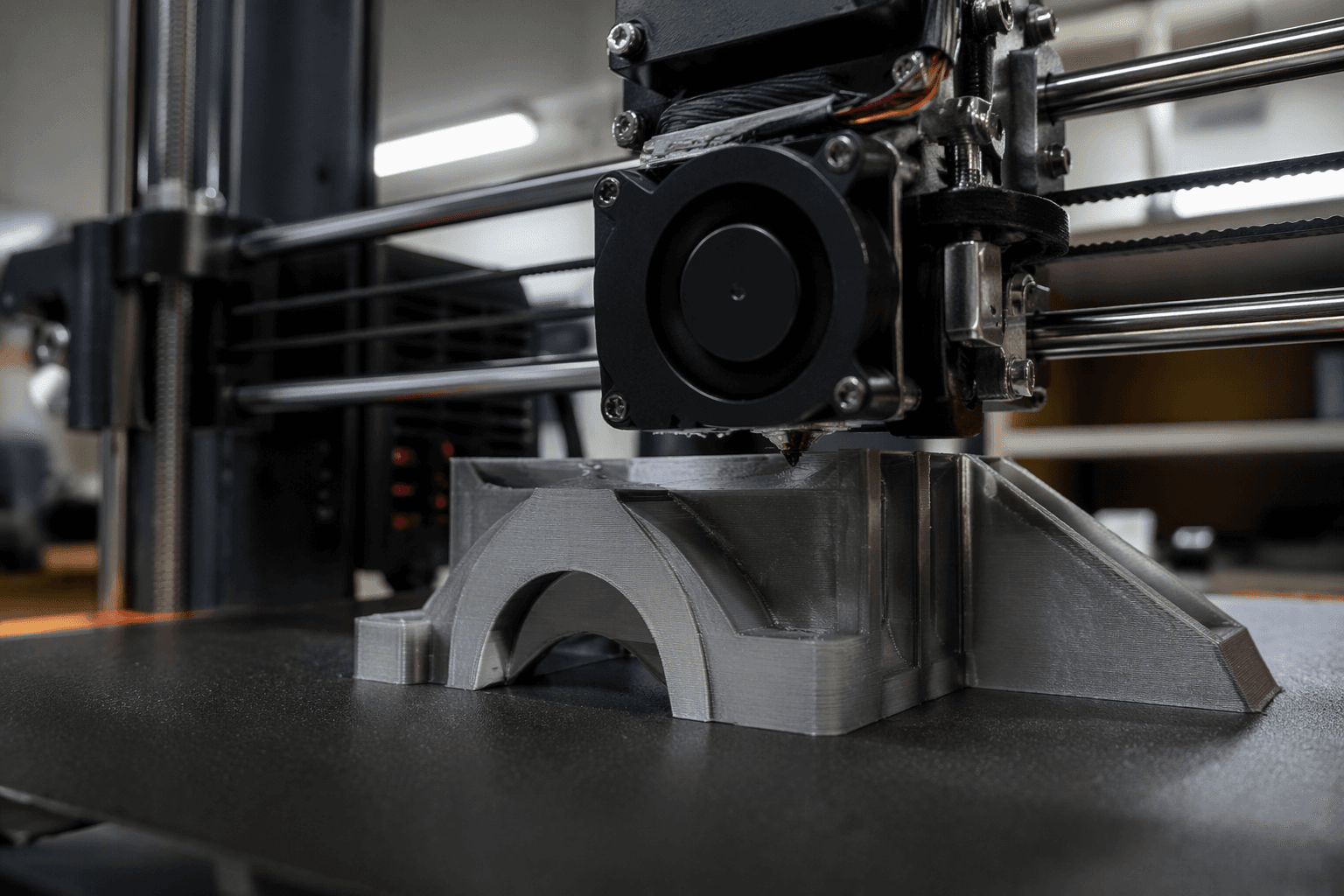
For settings, the material stays in familiar PLA territory. Prusa’s filament guide lists a 185 to 235 C nozzle range, a 50 to 60 C bed range, and no special hot end requirement. Prusa’s PLA pages still frame the plastic as a strong fit for concept models, prototypes, miniatures, jewelry, toys, and detailed visual parts because of its low thermal expansion and low melting temperature, while warning that parts can start losing mechanical strength above about 60 C. That keeps High Speed squarely aimed at fit-checks, quick functional parts, and display prints rather than heat-stressed hardware.
The launch also fits Prusa’s wider hardware push. The company describes the CORE One+ as a fully enclosed CoreXY printer with active temperature control and top print quality and speed, and its June 18 firmware 6.5.7 added filament-change handling and input-shaper calibration fixes for CoreXY printers. Put together, the message is clear: faster prototypes now come from matching the material to the motion system, not from buying a whole new machine.
This article was produced by Prism’s automated news system from verified source data, official records, and press releases, then run through automated quality and moderation checks before publishing. The system is built and supervised by the people who set the standards it runs under. Read our full AI policy.
Know something we missed? Have a correction or additional information?
Submit a Tip