Prusa shows how 3D-printed stencils improve airbrushing and finishing
Prusa’s stencil guide pushes 3D printing into finishing, with reusable masks and paint shields built for cleaner airbrushing and repeatable paint prep.
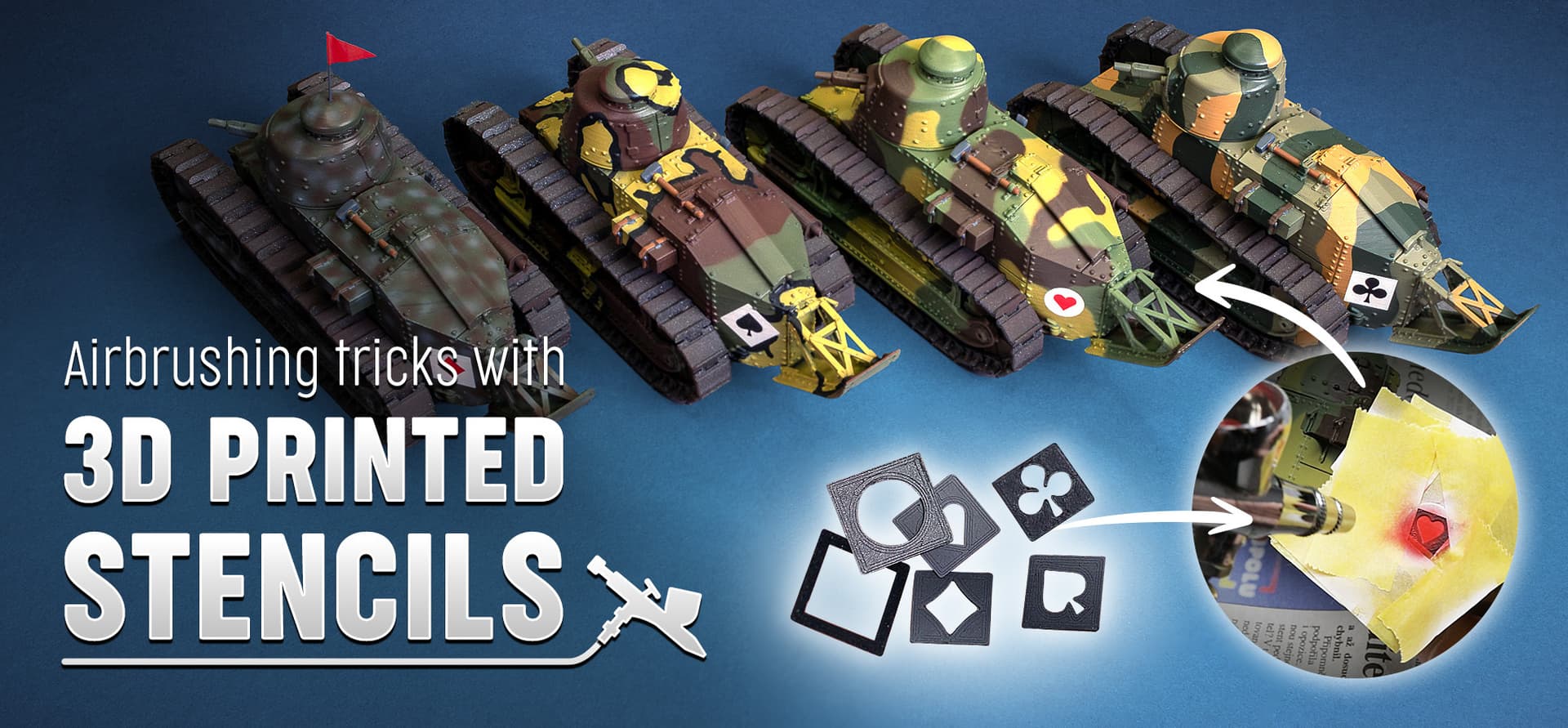
Prusa’s June 18, 2026 article, *Simple 3D-Printed Stencil Tips and Tricks for More Versatile Airbrushing*, centers on reusable masks and paint shields that help lay down cleaner shapes on models, props, and printed parts. It treats the printer as a source of masking tools as much as parts, with more control, easier repeatability, and less time spent cutting fresh tape for every job.
What printed stencils add to the hobby paint workflow
The article draws heavily on a chapter from Prusa Academy’s course, *Airbrush Your 3D Prints: From Basics to Advanced Tricks*. That course is aimed at hobby airbrush painting for 3D prints, miniatures, and scale models, and it includes two exclusive 3D models. The stencil piece leans on examples rather than theory, which is the right call for this kind of workflow because stencil work lives or dies on fit.
The core idea is simple: instead of treating masking as a disposable side task, you turn it into something the printer can produce on demand. That matters when you need a stencil that follows a particular contour, repeats a shape cleanly, or matches a specific piece of armor, base, shell, or enclosure.
In December 2025, Prusa Academy added a miniature-painting course that focused on decorative busts and tabletop gaming minis, and its Academy courses are built from text, photos, short videos, quizzes, and certificates of completion.
Why printed stencils help where tape falls short
Printed stencils become useful the moment the surface stops being simple. Hand-cut tape is fine for straight lines and basic panels, but it gets clumsy when you are trying to hit the same curve twice, preserve a delicate edge, or produce a repeatable motif across multiple parts. A 3D-printed stencil can be shaped to the geometry in front of you, which makes it a much better fit for models and props with shallow bends, recessed sections, or irregular profiles.
That is where the workflow advantage shows up for hobby painters:
- cleaner edge control on curved or uneven surfaces
- repeatable placement when you need the same pattern on more than one part
- faster setup for custom shading, color blocking, or paint shielding
- less dependence on one-off paper templates that shift or wrinkle under spray
3D-printed stencils have limitations. A printed tool is not automatically the best answer for every paint job, but it does open up a middle ground between disposable tape and purpose-built commercial masking gear.
Why TPU makes the difference
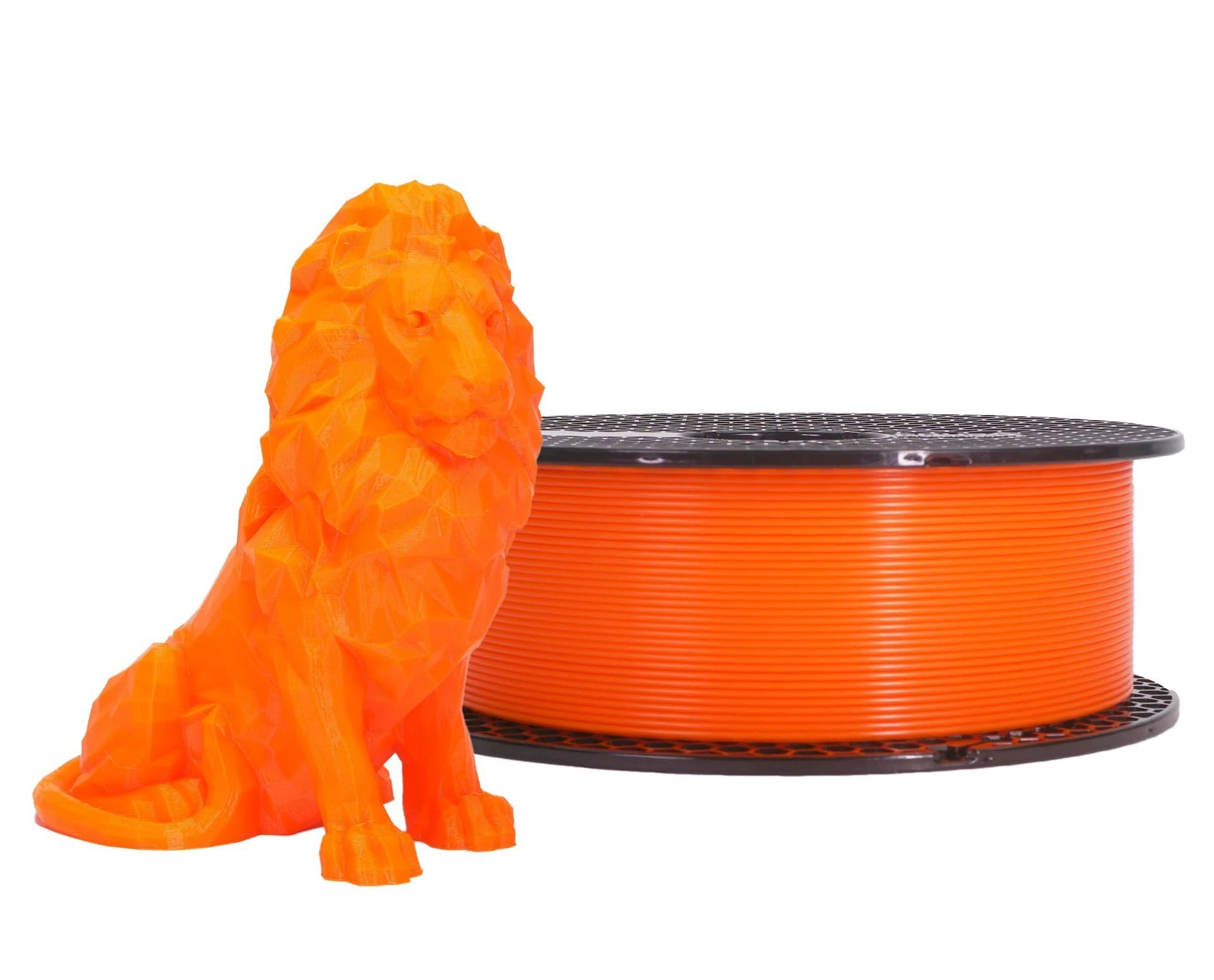
Material choice is doing a lot of the work here. Prusament TPU 95A is a flexible material with high mechanical resistance and print reliability, and Prusa calls it especially well suited to the Nextruder and close to failproof. For stencil work, those traits matter because the tool has to flex instead of crack when it is pressed against a surface or wrapped around a curve.
TPU is a better stencil material than rigid PLA when the job demands bend and wrap. PLA can work for simple flat masks, but TPU is far better suited to reusable stencils that need to conform to helmets, cylinders, armor plates, or other curved surfaces. That flexibility turns the stencil from a one-time cutout into a finishing accessory that can survive repeated handling.
The material choice also changes how ambitious the stencil design can be. Once the stencil itself can flex, you can think more about the shape of the opening, the spacing around the mask, and how the piece will sit against the print rather than worrying whether the whole tool will snap the first time it meets a curved edge.
How Printables broadens the workflow
As a large model database and community hub, Prusa’s Printables platform gives makers a place to share, remix, and adapt stencil designs instead of treating every masking tool as a one-off.
For miniature painters, wargamers, prop builders, and makers finishing custom enclosures, the same stencil logic can be reused across very different projects. A shape that works on one print can be scaled, adjusted, or rebuilt for the next.
This article was produced by Prism’s automated news system from verified source data, official records, and press releases, then run through automated quality and moderation checks before publishing. The system is built and supervised by the people who set the standards it runs under. Read our full AI policy.
Know something we missed? Have a correction or additional information?
Submit a Tip