Prusa patent links resin printer, washer, curer for smarter post-processing
Prusa’s resin patent uses NFC-aware process data to carry a print’s wash and cure settings from the build plate to the cleanup station.
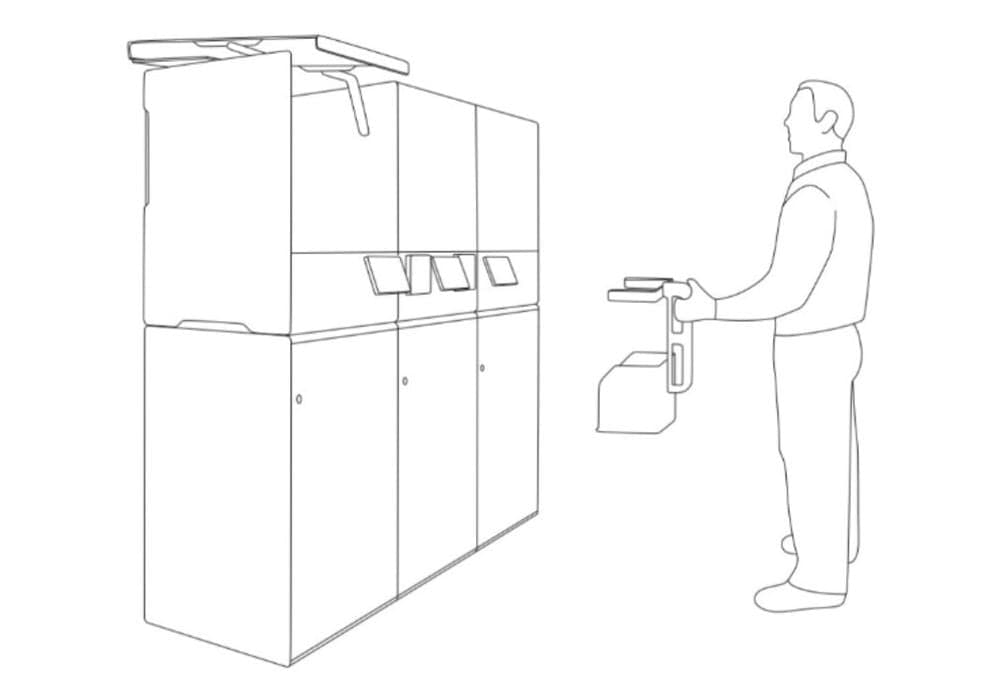
Prusa Research's new resin patent tries to fix the ugliest part of SLA: the handoff after the print succeeds. The Czech application, CZ2024445-A3, describes a coordinated workflow that links the printer, washer, curing unit and a transfer manipulator so the part does not lose its history the moment it leaves the build plate.
The idea is simple and genuinely useful. NFC tags on the build platform and on related consumables such as resin canisters and vats would let the platform carry the job’s material, size, location on the plate and process history from station to station. That means a washer could choose a wash medium, liquid volume and wash program based on the actual part, while the curing unit could adjust drying temperature, airflow and UV exposure instead of running the same recipe for everything. A small dental guide, a large housing and a biocompatible medical part do not behave the same way in wash and cure, and Prusa’s patent leans into that reality instead of pretending post-processing is one-size-fits-all.
That matters because resin ownership is still more chore than consumer product. Prusa already sells the Original Prusa CW1S Cure/Wash Station as a 4-in-1 machine for preheating, washing, drying and curing, and its documentation says it uses isopropyl alcohol to wash uncured resin and can automatically detect the IPA tank. The same documentation points out that resin leaves pigment in the alcohol, especially on the first wash, which is exactly the kind of cleanup friction that makes resin printing feel fiddly even when the printer itself works perfectly. Prusa also sells the SL1S SPEED + CW1S bundle as a certified end-to-end workflow for demanding industrial resins and says it has worked with Henkel Loctite.
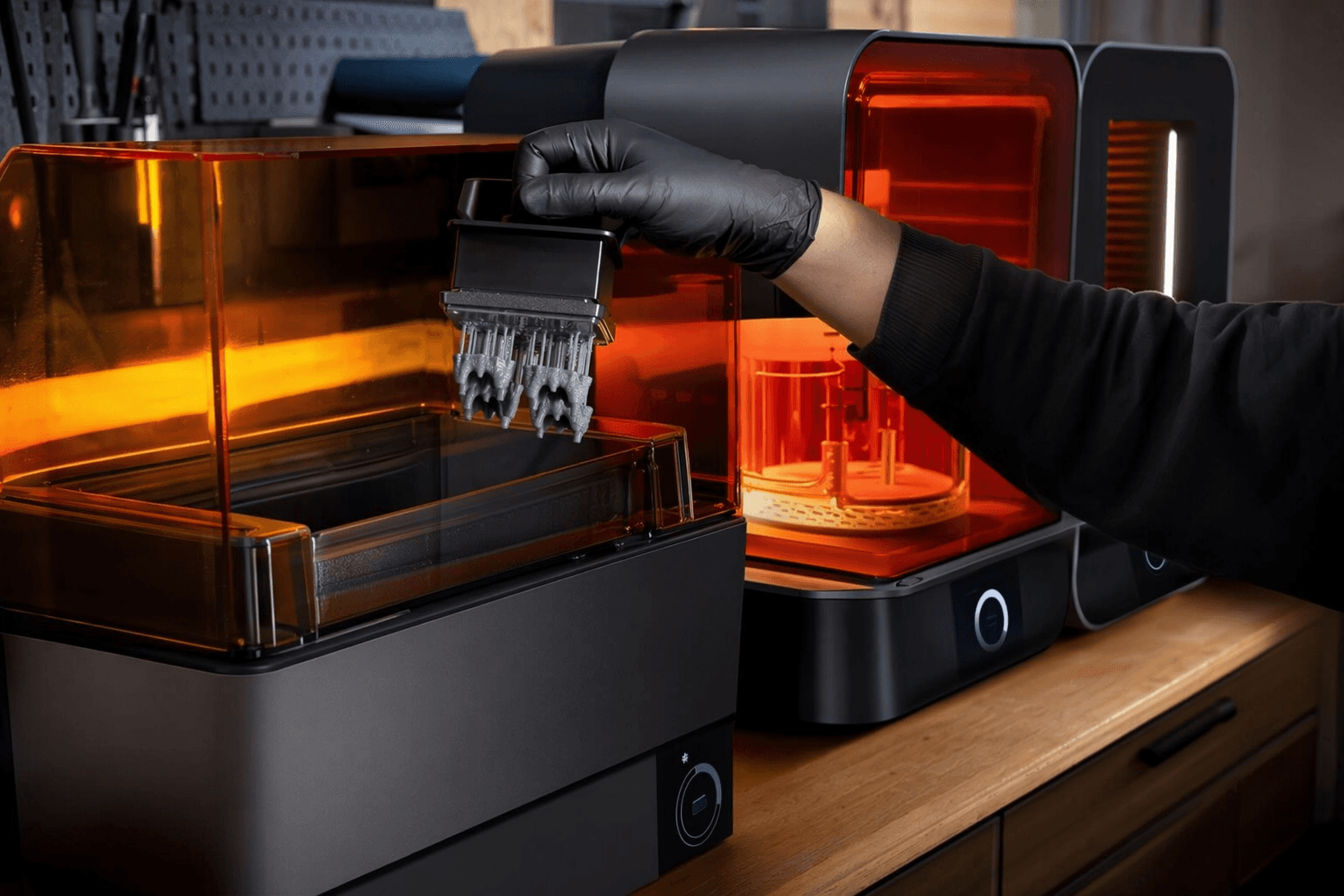
The broader industry backdrop backs up the pitch. Formlabs says SLA post-processing still often starts with a separate wash step, manual or automated, while PostProcess Technologies calls post-processing a labor-intensive, tedious bottleneck in additive manufacturing. Prusa Research says it runs 700+ printers 24/7, which makes the case for automation feel less like marketing and more like a factory floor lesson that is now being pushed down to desktop users. The company has already shown the same logic in filament with OpenPrintTag, its open-source, offline NFC smart-spool standard that stores material data directly on the tag.
Prusa also previewed a next-generation SLX resin platform at Formnext 2025, describing an MSLA ecosystem for industrial and medical applications with printer, washer, curing unit, automated material delivery and enclosed solvent handling. Taken together with this patent, the direction is obvious: Prusa is trying to build a resin workflow that remembers what the printer knew, then carries that knowledge through the messiest steps so fewer finished parts get ruined at the sink.
This article was produced by Prism’s automated news system from verified source data, official records, and press releases, then run through automated quality and moderation checks before publishing. The system is built and supervised by the people who set the standards it runs under. Read our full AI policy.
Did this article answer your question?