RAPID + TCT 2026 spotlights practical, affordable 3D printing adoption
RAPID + TCT 2026 made one thing clear: additive is being judged on price, repeatability, and real deployment, not just promises.

The big shift on the floor
RAPID + TCT 2026 felt busy, loud, and packed with hardware, but the clearest signal was not spectacle. The conversation in Boston had moved toward practical adoption, with affordability, accessibility, maturity, familiarity, and scalability taking center stage. For anyone who has watched 3D printing overpromise for years, that shift matters more than any flashy booth demo.
The show ran April 13-16, 2026, at the Thomas M. Menino Convention & Exhibition Center in Boston, Massachusetts, and it brought together more than 400 product and service providers. That scale reinforced the mood on the floor: this was North America’s largest additive manufacturing and industrial 3D printing event, but it was being treated less like a futurist showcase and more like a working industry gathering. Boston, in the middle of a major New England manufacturing and technology hub, made that message even harder to miss.
Why the new price points matter
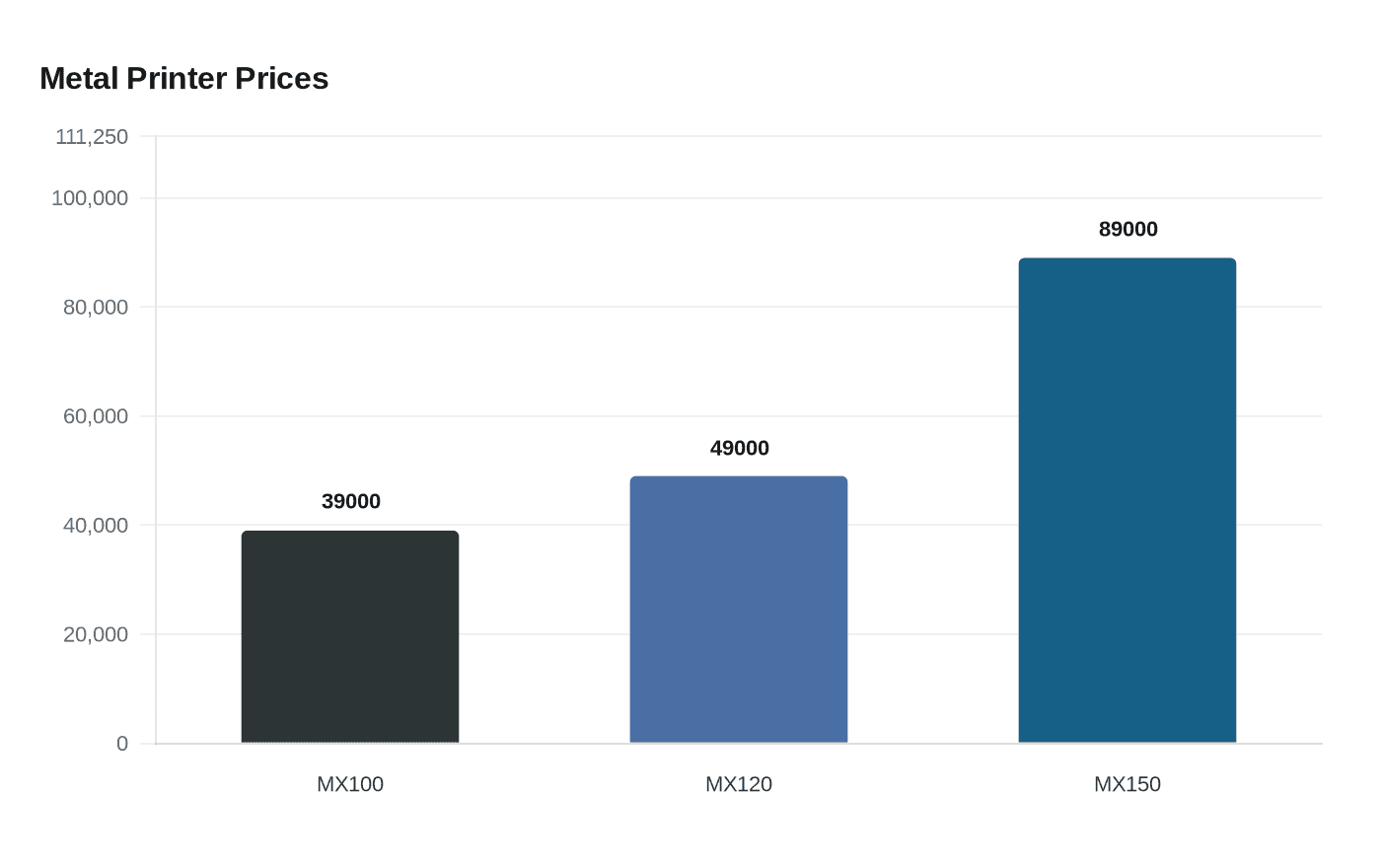
The most important signs of maturity were not hidden in white papers or lab chatter. They were on product pages and price tags. Mastrex’s MX100, a desktop laser powder bed fusion metal printer, was presented as a machine for prototyping, research, small-batch production, and educational environments, with reporting placing its starting price at about US$39,000. That is still a serious investment, but it sits far below the old image of metal AM as an expensive factory-only category.
Mastrex’s broader lineup makes the point even more clearly. The MX120 is listed at $49,000 and the MX150 at $89,000, which creates a tiered path into metal printing instead of a single out-of-reach leap. That ladder matters for machine shops, university labs, and smaller teams that need metal parts without taking on a giant industrial asset. It is a practical sign that metal AM is no longer being sold only as aspiration.
For readers tracking where the market is heading, the story here is not just that prices are lower. It is that vendors are now framing entry-level metal systems as deployable tools for real work. That is a very different message from the hype cycles that once defined this space.
HP’s MJF 1200 pushes production closer to smaller operations
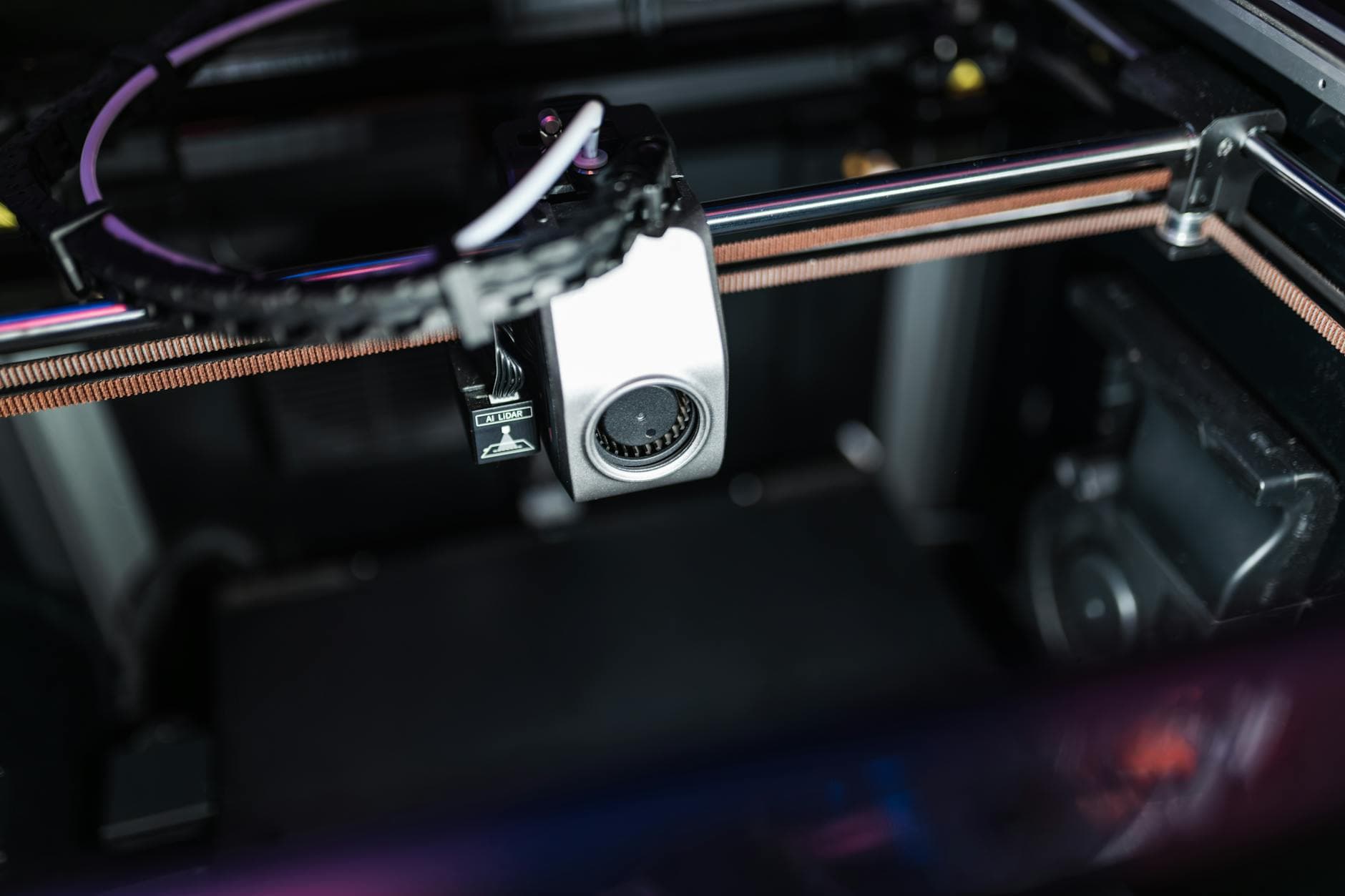
HP’s launch of the Multi Jet Fusion 1200 on April 14 was another strong marker of the market’s direction. The company describes it as a compact 12-liter system built to bring industrial MJF into smaller spaces and budgets, and its launch materials say it is meant to fit “your space and budget.” That language matters because it shows industrial-quality polymer production moving closer to the footprint and buying power of smaller teams.
The MJF 1200 also includes Magics Print for HP through the Materialise-powered CO-AM ecosystem, which points to something bigger than a new printer model. The launch is tied to workflow integration, not just machine specs. That is a hallmark of a maturing market: buyers are not only asking what a printer can make, but how it fits into a production stack.
Third-party coverage says the MJF 1200 is expected to ship in early 2027, which makes it more than a booth concept and less than a finished overnight replacement for existing lines. It sits in the real middle ground of industrial product development, where buyers can plan around a platform rather than chase a rumor.
Throughput, traceability, and the next stage of adoption
HP’s broader additive messaging at RAPID+TCT sharpened the same point. The company said its Jet Fusion 5600 series gained a High Productivity print mode that boosts output by 20%, and it introduced Dual Tone technology for functional parts, enabling markings and QR codes. HP also said its Industrial Filament 3D Printer 600 High Temperature became generally available in the U.S.
Those details may sound technical, but they are exactly the kind of advances that signal a more mature market. A 20% productivity gain is not marketing fluff for people managing cost per part. Markings and QR codes speak directly to traceability and production control. General availability on a high-temperature filament system is another practical milestone, because it means the machine is moving from reveal mode into actual purchasing reality.
That is why RAPID + TCT 2026 felt different. The floor was still energetic, but the loudest theme was not novelty. It was repeatability, qualification, throughput, and how much work can be done at a price point that makes sense.
What this means for the hobby and prosumer world
Even though these launches came from the industrial side, the ripple effect reaches the home and small-shop community fast. When industrial systems get smaller, cheaper, and easier to integrate, the workflows, software, and expectations often trickle down into prosumer machines later. The broader lesson from Boston is that buyers now expect more than a clever demo. They expect tools that can be deployed, maintained, and justified.
HP’s own framing makes that timeline feel even more significant. The company said it is entering its second decade in additive manufacturing, which is a useful reminder of how far the field has come from its experimental phase. Ten years of industrial development has not solved every problem, but it has pushed the conversation toward real business cases and practical use.
For the 3D printing community, that is the real takeaway from RAPID + TCT 2026. The show did not announce the end of hype, but it did show how far the center of gravity has moved. The machines getting attention were not the loudest. They were the ones that looked ready for work, and that may be the clearest sign yet that additive is finally being judged like a manufacturing tool instead of a promise.
This article was produced by Prism’s automated news system from verified source data, official records, and press releases, then run through automated quality and moderation checks before publishing. The system is built and supervised by the people who set the standards it runs under. Read our full AI policy.
Did this article answer your question?