Snapmaker backs FullSpectrum color mixing with open-source slicer support
Snapmaker brought FullSpectrum in-house, betting open-source slicer support can make multicolor printing feel less like a purge test and more like a normal workflow.

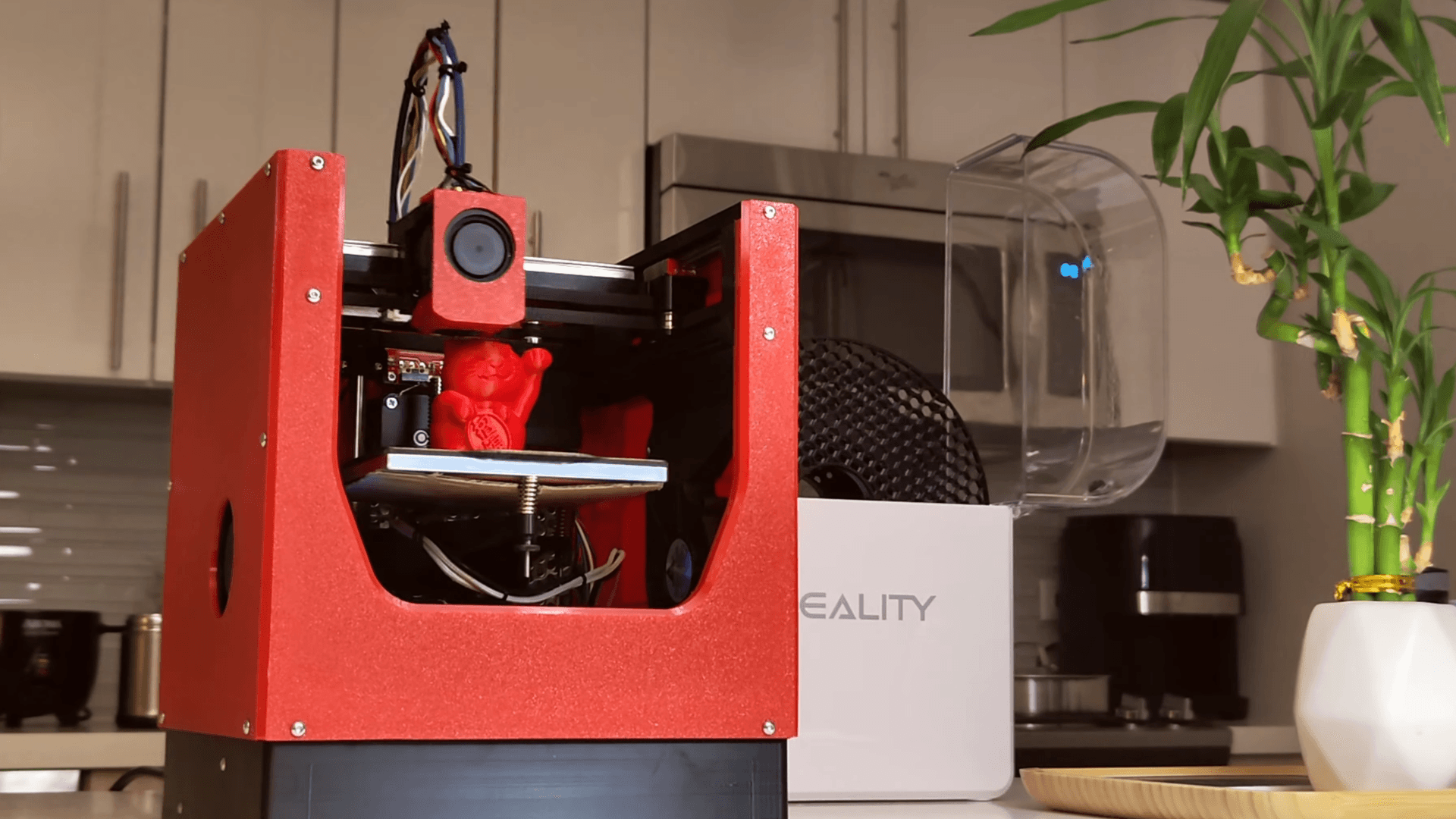
Multicolor printing has always come with a bill, either in wasted filament, slow swaps, or both. Snapmaker is now trying to lower that price by putting Radu “Ratdoux” and his FullSpectrum color-mixing work inside its own open-source slicer stack, where the company can shape the workflow instead of leaving it as a niche hack.
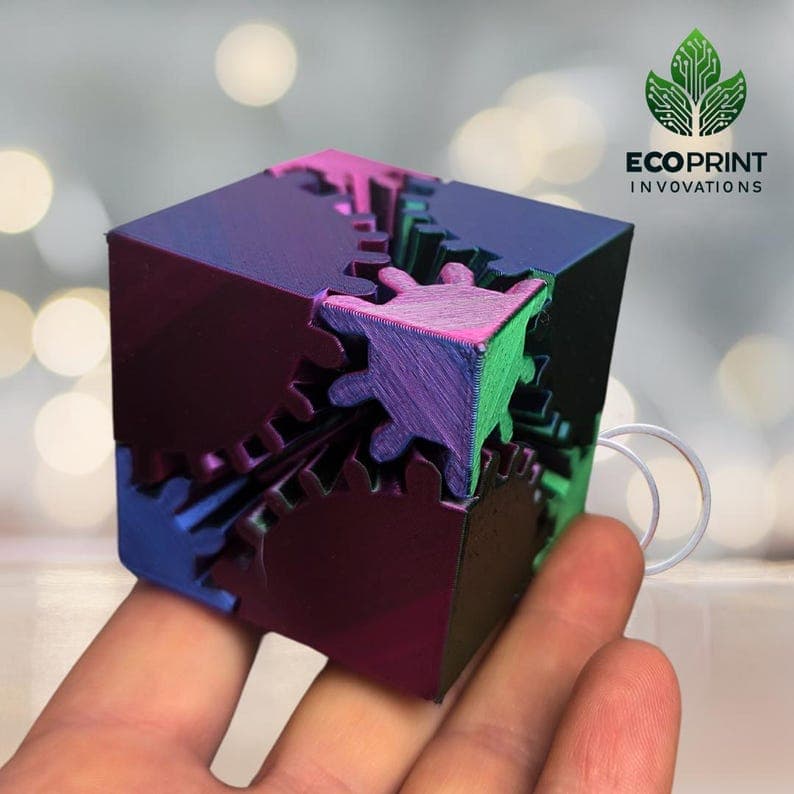
The move matters because FullSpectrum is not a standard tool-changer trick. The approach blends filaments to create secondary shades, so color can behave more like a palette than a hard switch between spools. For hobbyists, that could mean less purge waste, finer color control, and a path to experimenting with gradients, logos, and decorative parts without signing up for a system built around constant nozzle clearing.
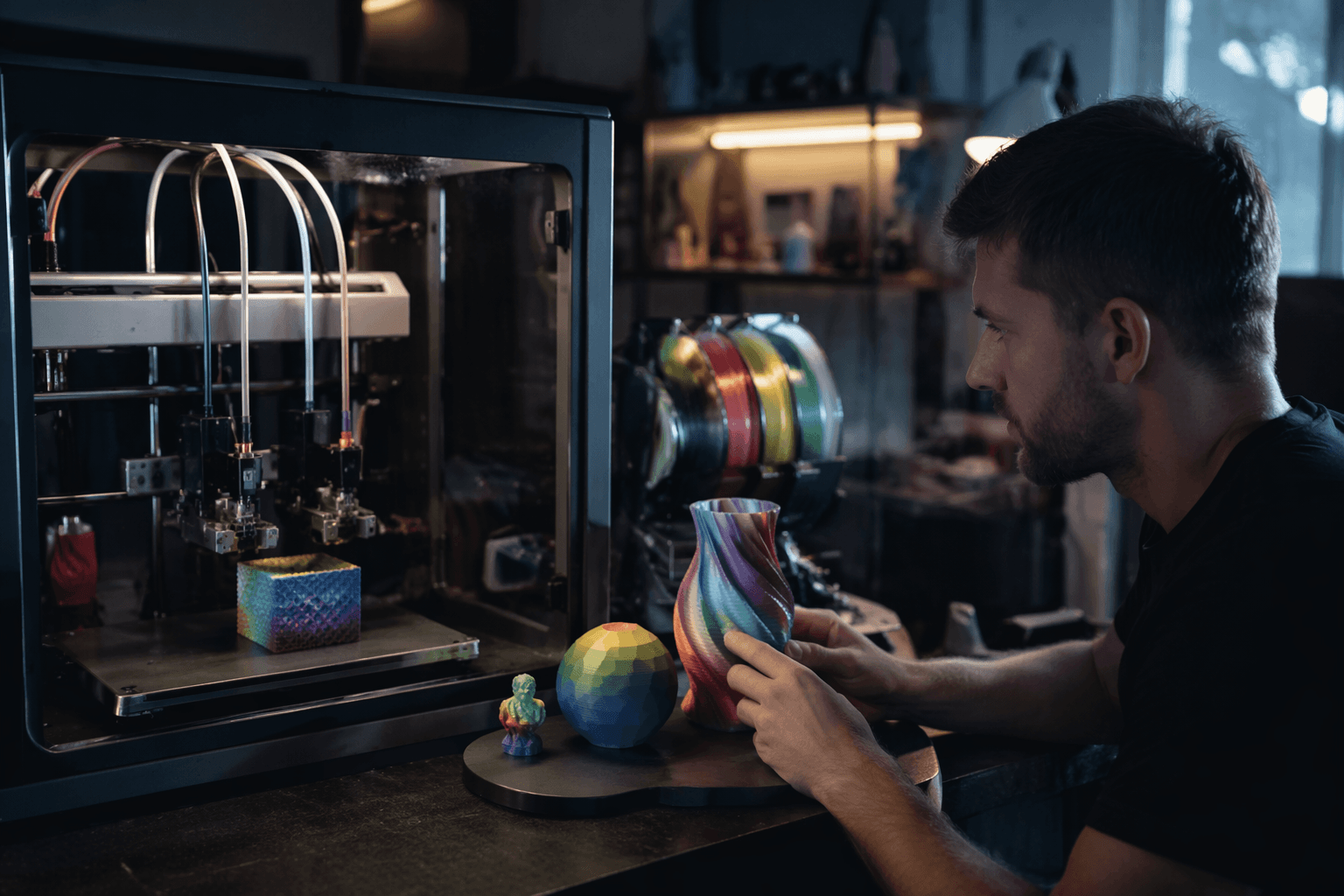
Snapmaker has tied that effort to Snapmaker Orca, its open-source slicer built on Orca Slicer and currently optimized for the U1. That gives the company a place to ship color-mixing tools inside a broader software pipeline, rather than bolting them on as a one-off plugin. For users, that distinction is practical. A feature that lives in the slicer is easier to update, easier to support, and far more likely to work cleanly with the printer and filament handling the way hobbyists actually use them.
The timing also lines up with Snapmaker’s push around the U1, which launched on Kickstarter on August 19, 2025 at 7 AM PDT, or 4 PM CEST, with an Early Bird price of $749. Snapmaker said the U1’s SnapSwap system delivered 5-second swaps, 5X speed, and 5X less waste. The campaign later crossed over US$20 million from more than 20,000 backers, making it the most funded 3D printer project in Kickstarter history.
That hardware story makes the FullSpectrum hire look less like a side project and more like a bet on the next consumer-friendly multicolor workflow. If Snapmaker can turn color mixing into something that feels native inside Snapmaker Orca, it may offer an alternative to purge-heavy AMS-style systems and tedious manual swaps. The real test will be whether the software is usable enough that color control feels intentional instead of experimental, and whether the workflow remains compatible with the machines users already have on the bench.
The community has already been treating FullSpectrum like a real answer to the “how do I print this in more than one color without turning the bin into waste” problem. Snapmaker forum users have discussed it in terms of transmission distance, translucency, and HueForge-style light interaction, which is exactly the kind of language that signals both enthusiasm and a learning curve. In its 2025 recap, Snapmaker pointed to the U1 Kickstarter, Snapmaker Orca Beta, new filaments, and stronger partnerships as defining parts of the year, and the FullSpectrum hire fits neatly into that pattern. Snapmaker is not just chasing multicolor printing. It is trying to make the messy part of it disappear.
This article was produced by Prism’s automated news system from verified source data, official records, and press releases, then run through automated quality and moderation checks before publishing. The system is built and supervised by the people who set the standards it runs under. Read our full AI policy.
Know something we missed? Have a correction or additional information?
Submit a Tip