South Korea doctors implant 3D-printed windpipe made from patient cells
A woman in her 50s received a 3D-bioprinted windpipe in Seoul, and the graft fit her airway without rejection after thyroid cancer surgery.
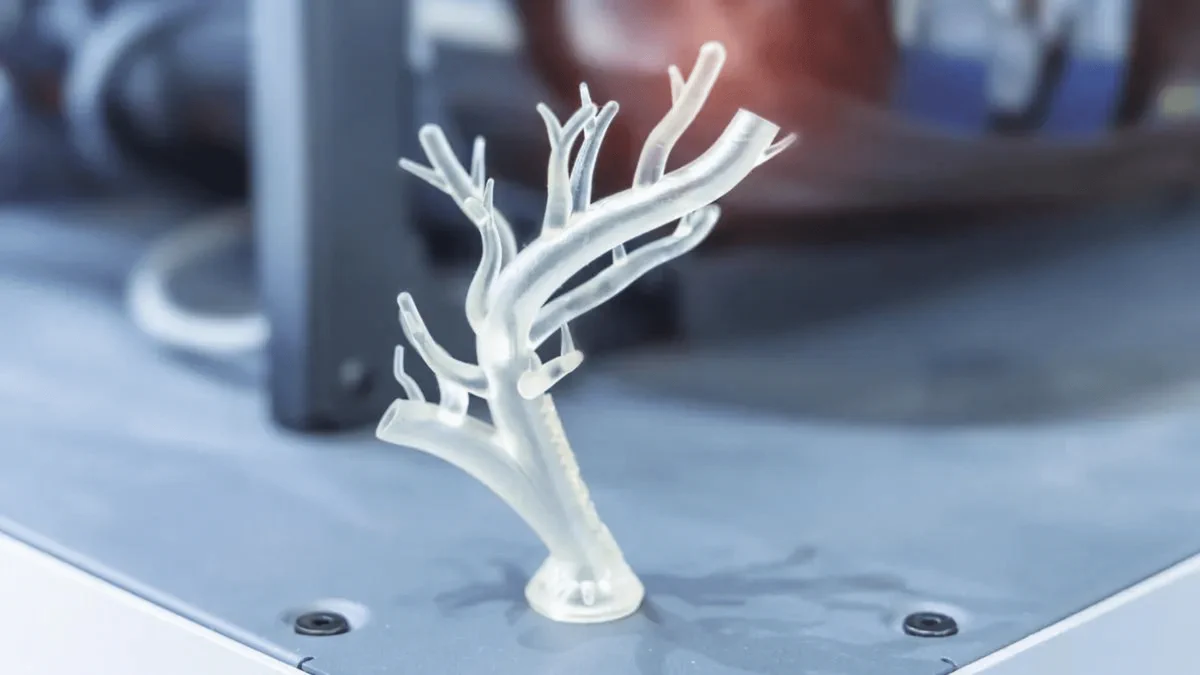
South Korean doctors implanted a 3D-printed windpipe into a woman in her 50s at Seoul St. Mary’s Hospital after thyroid cancer surgery left part of her trachea missing. The graft was described as matching her airway and using her own living cells, and it integrated without rejection.
That rejection-free result is the part that matters most. A custom trachea that does not force a patient onto lifelong immune-suppressing drugs is a very different thing from the old “printing organs” hype, which usually ignores the biology problem that has stalled so many replacement parts. Airway reconstruction has been hard for years because the shape has to be right, the tissue has to survive, and the body has to accept it.
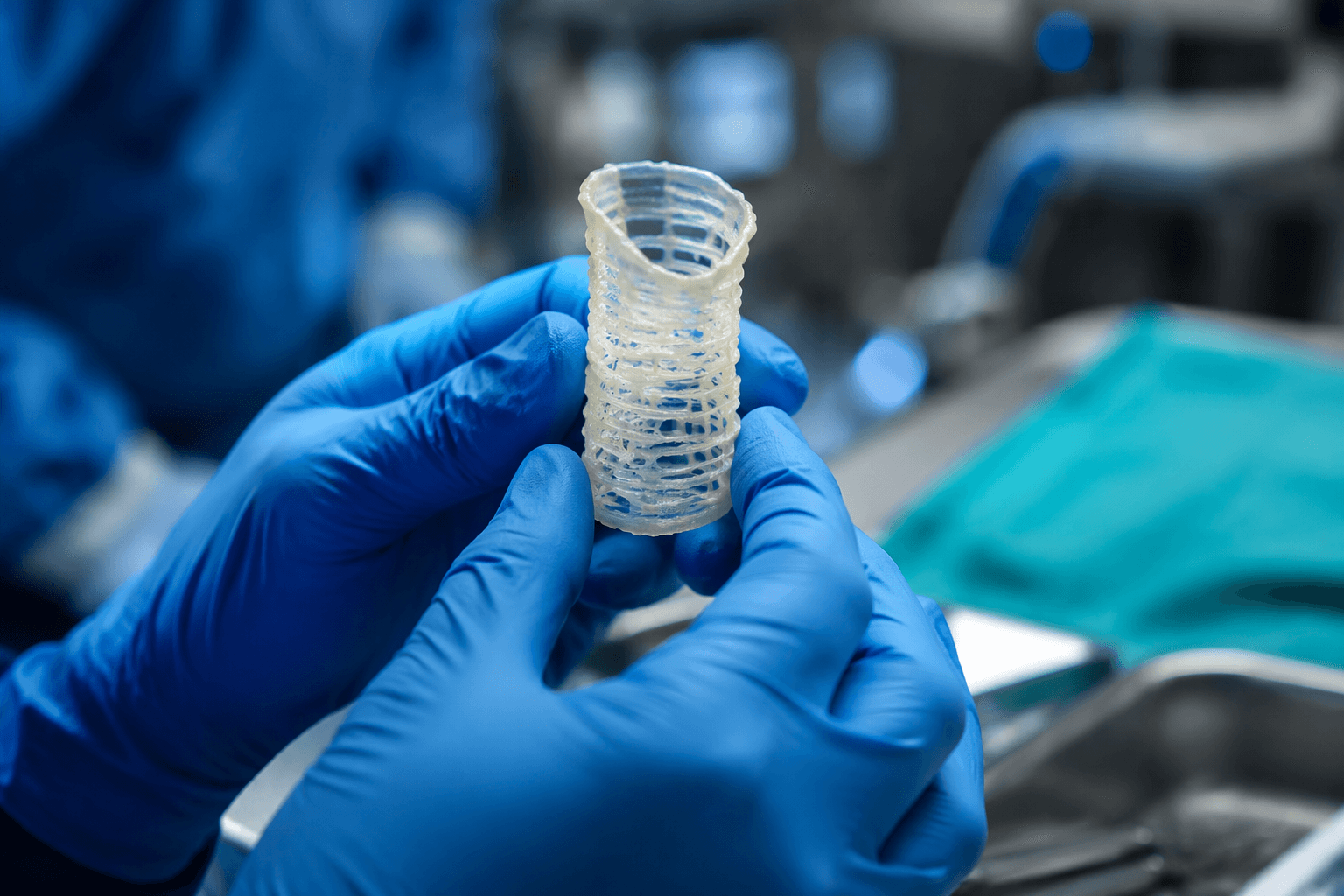
The procedure was reported on March 7, 2024, as a world-first in South Korea. DongA Science identified it as the world’s first successful transplant of a 3D-bioprinted artificial trachea made from allogeneic adult stem cells, and named Professor Nam In-chul of Incheon St. Mary’s Hospital as the surgeon who performed the transplant. The Catholic University of Korea, College of Medicine was also credited in that report.
The build time was short by medical-device standards. One report said the windpipe was printed in less than two weeks, and another said the surgery itself took about half a day. That is the real process lesson here: patient-specific fabrication only becomes useful when the geometry, the cell source and the surgical workflow line up tightly enough to make implantation practical.
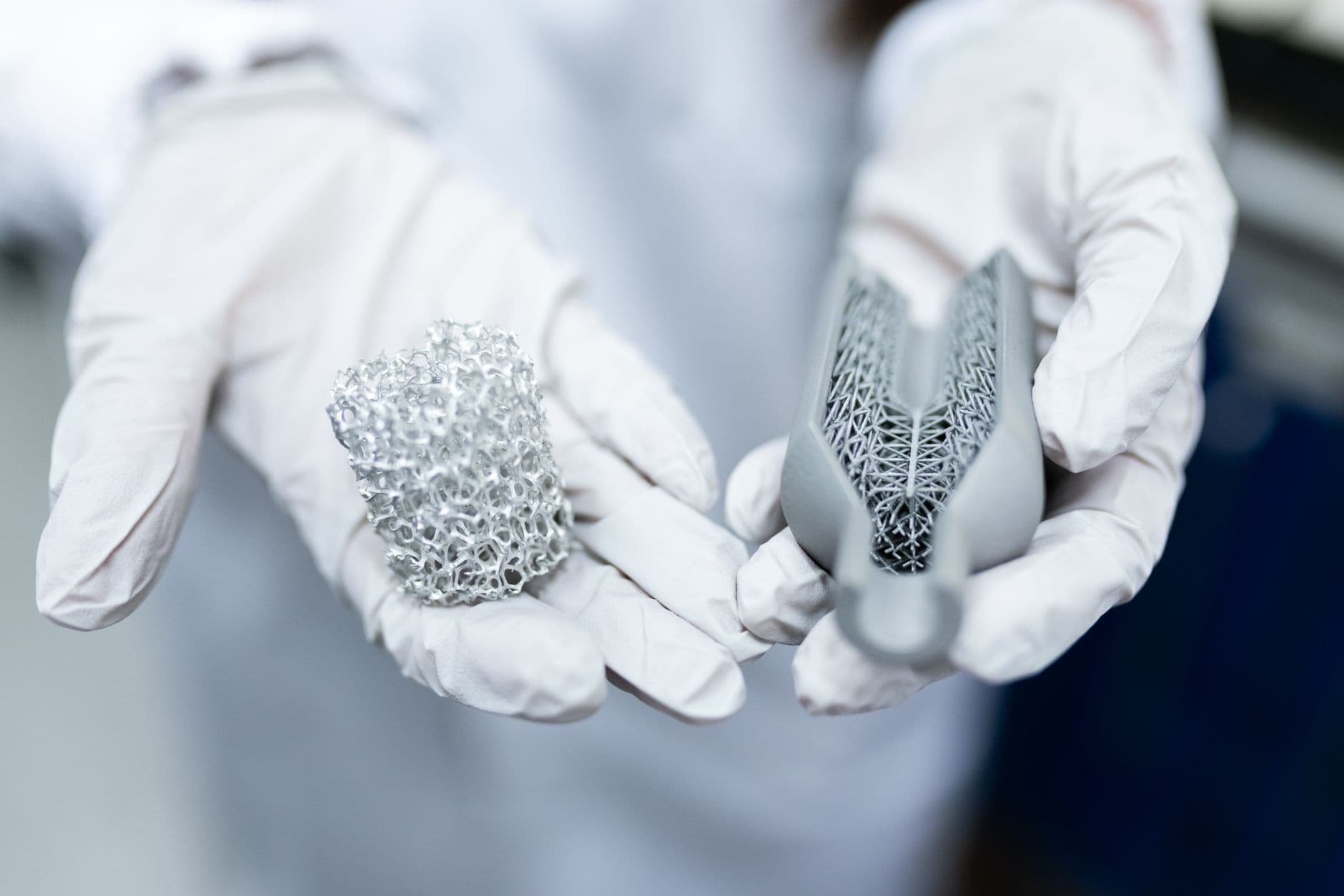
For 3D printing readers, that is the useful takeaway beyond the medical headline. This was not a desktop machine churning out a miracle organ. It was a case where custom fit, material control and a repeatable workflow mattered more than a flashy label, and where the best part was not that the windpipe was printed, but that it was made to belong to one patient and stayed there.
This article was produced by Prism’s automated news system from verified source data, official records, and press releases, then run through automated quality and moderation checks before publishing. The system is built and supervised by the people who set the standards it runs under. Read our full AI policy.
Did this article answer your question?