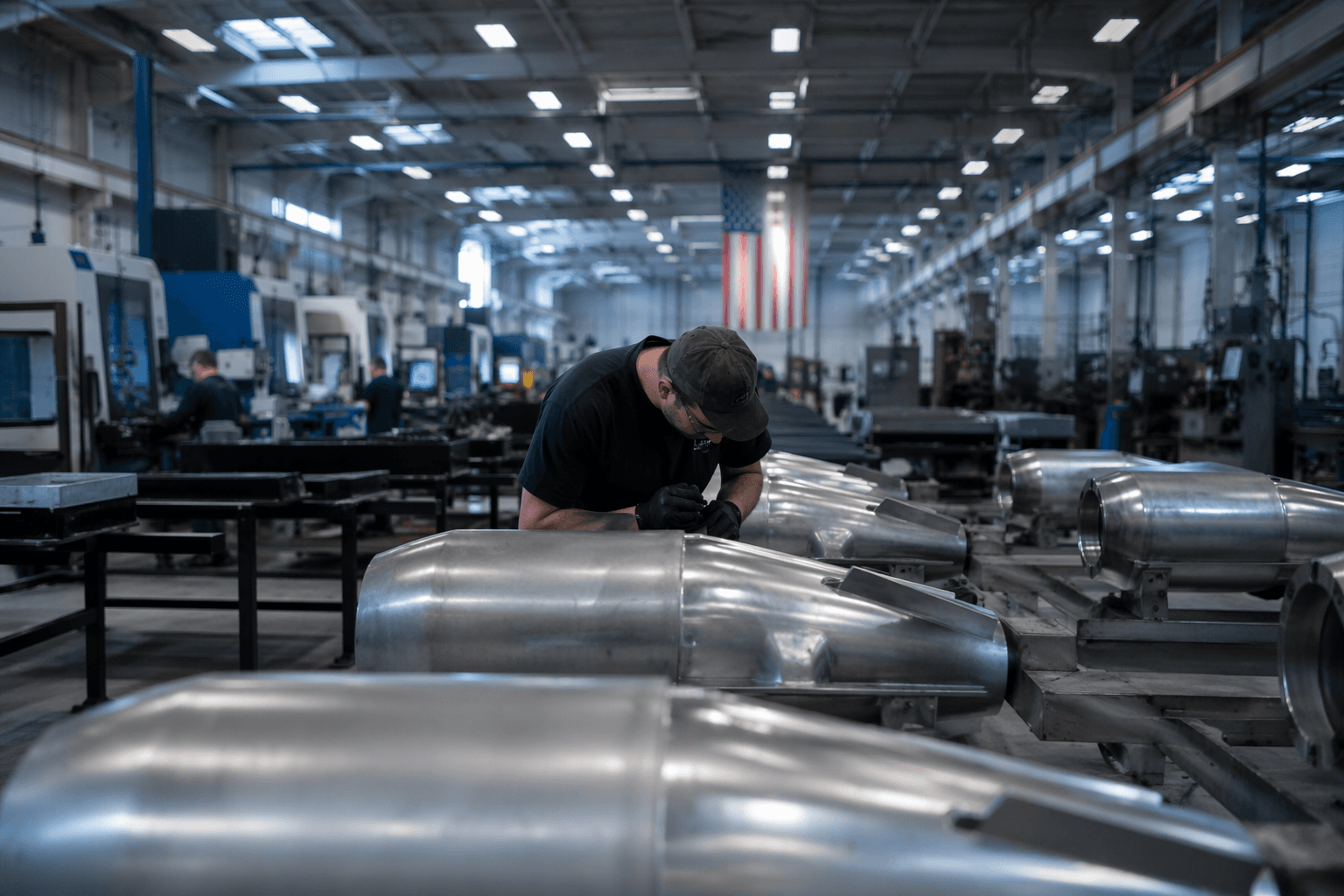
TCT Asia 2026 Opens in Shanghai, Showcasing Scale and Domestic AM Demand
TCT Asia 2026 filled 55,000 m² at Shanghai's NECC with 550+ exhibitors — and ceramic slurry just dropped to 200 RMB/kg.
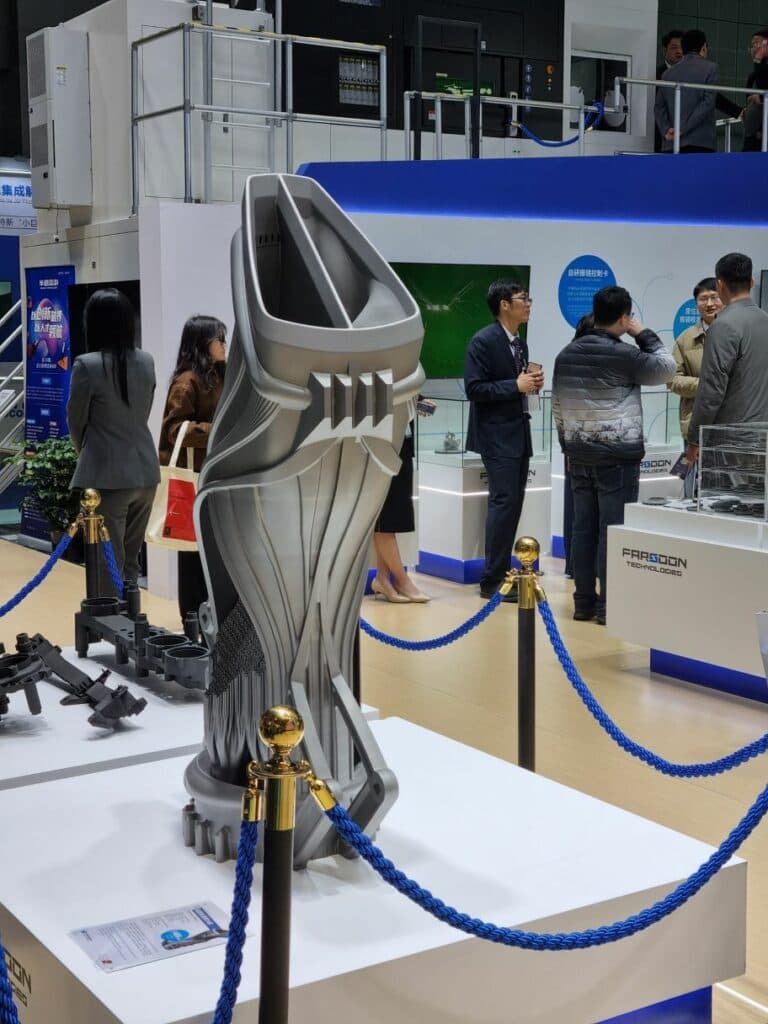
TCT Asia 2026 ran March 17–19 at the National Exhibition and Convention Center in Shanghai, spreading across Halls 7.1 and 8.1 for what organizers called the largest scale in the event's history: 55,000-plus square meters of floor space, more than 550 exhibitors from China and around the world, and at least 35,000 trade visitors expected through the doors.
3D ADEPT Media reporter Kety S., filing her Part 1 impressions on March 18, framed the show as a revealing look at how Asia's additive manufacturing ecosystem operates by scale, by domestic market demand and by cultural and operational dynamics that simply don't map cleanly onto Western trade shows. That framing held up across the floor. The density of Chinese domestic exhibitors, the application-first orientation of nearly every booth, and the sheer physical footprint together made a case that TCT Asia has outgrown its role as a regional mirror of European or American AM events.
TCT Asia was established in 2015, and the TCT Group behind it claims 30 years as an authority in additive manufacturing, design and engineering technology. The show has positioned itself as the only place in Asia for face-to-face access to key 3D technology purchase influencers, and the 2026 edition leaned hard into that pitch. Programming included an ASTM Certificate Course offered multiple times across the three days, targeting designers, engineers and buyers looking to formalize their AM credentials alongside the usual show-floor scouting.
On the technology side, the show covered the full industrial stack: metal powder bed fusion, polymer systems, ceramic platforms, hybrid machines, and automation and software integrations that close the loop from design to finished part. Applications in electronics and aerospace drew particular attention in the ceramic segment, where substrates, insulators and heat-resistant components represent some of the most demanding real-world use cases for the process.
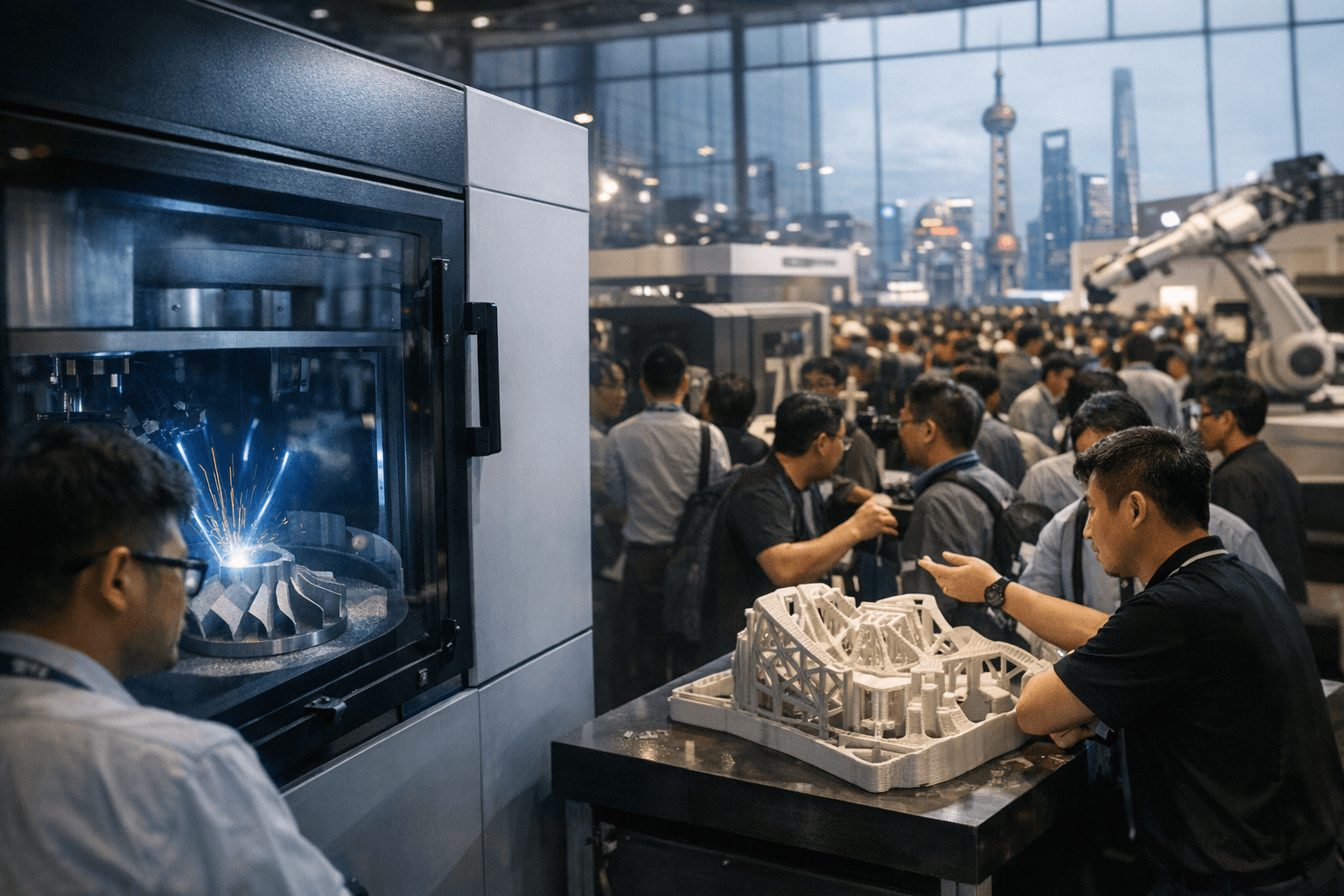
Ceramic AM was arguably the sharpest story coming out of the show. DLP and DIW systems dominated that segment, with exhibitors demonstrating intricate geometries, lattice structures and internal channels that highlight what DLP can do when the slurry cooperates. The materials cost barrier has long been the thing that keeps ceramic 3D printing from scaling, and that's where AdventureTech made a pointed move at the show. The company announced optimizations to its slurry formulas, dispersion processes and supply chains that it says cut mainstream ceramic slurry costs to as low as 200 RMB per kilogram. ADT described the shift as moving ceramic AM from "too expensive to use" to "affordable and ready for volume production." That's a company claim, not an independently verified figure, but if the pricing holds across product lines and customer tiers, it changes the calculus for anyone running high-volume ceramic parts.
The broader narrative TCT Asia's organizers pushed, that China's dynamic market environment benefits domestic companies while simultaneously pulling in international players, was visible on the floor in the mix of exhibitors. The show's own promotional materials described China as a leader in 3D printing innovation driven by manufacturing and healthcare adoption, and the 550-plus exhibitor count gives that claim some weight, even accounting for a conflicting figure of "over 400 exhibitors" that appeared in some event copy, likely a holdover from an earlier draft.
For the AM industry watching Asia, TCT Asia 2026 was less a preview of what's coming and more a live readout of what's already shipping.
This article was produced by Prism’s automated news system from verified source data, official records, and press releases, then run through automated quality and moderation checks before publishing. The system is built and supervised by the people who set the standards it runs under. Read our full AI policy.
Did this article answer your question?