Vivobarefoot launches scan-to-print Tabi Gen 02 sandals with Carbon
Vivobarefoot’s Tabi Gen 02 moved scan-to-print footwear out of prototype territory, pairing foot scans with Carbon’s DLS process and OECHSLER’s industrial production muscle.
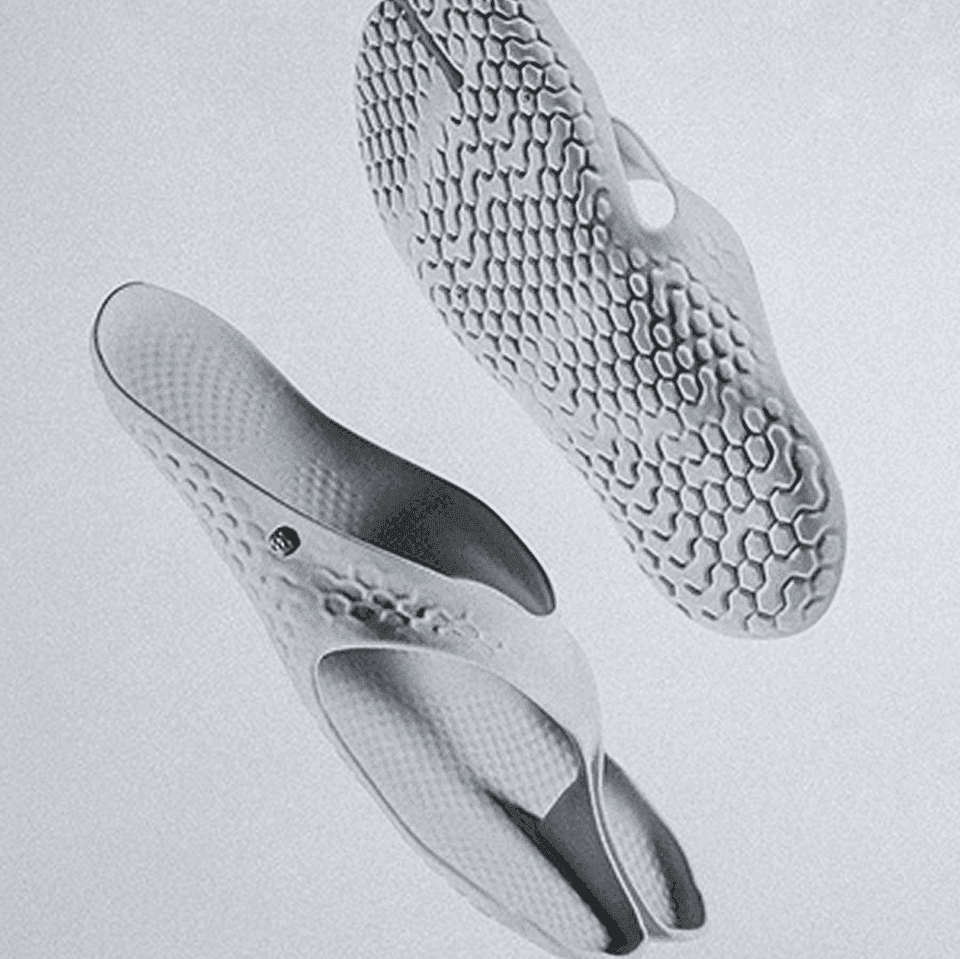
Vivobarefoot’s Tabi Gen 02 pushed scan-to-print footwear a step closer to a real consumer workflow, with custom sandals built from a foot scan, Carbon’s Digital Light Synthesis process, and OECHSLER’s manufacturing scale behind the launch. For 3D printing readers, the notable shift is not the concept itself but the fact that this is a shipped product tied to a repeatable retail process rather than a one-off demo.
The second-generation sandal sits inside Vivobarefoot’s VivoBiome innovation platform, which the company uses for personalized, scan-to-print barefoot footwear. Vivobarefoot said a foot scan is required to buy the Tabi Gen 02, and its VivoBiome pages describe the model as made-to-measure and made to order. Carbon said the sandal uses DLS and custom 3D scans of each wearer’s foot to deliver a fully custom fit, reinforcing that the geometry is coming directly from the wearer rather than from a fixed last.
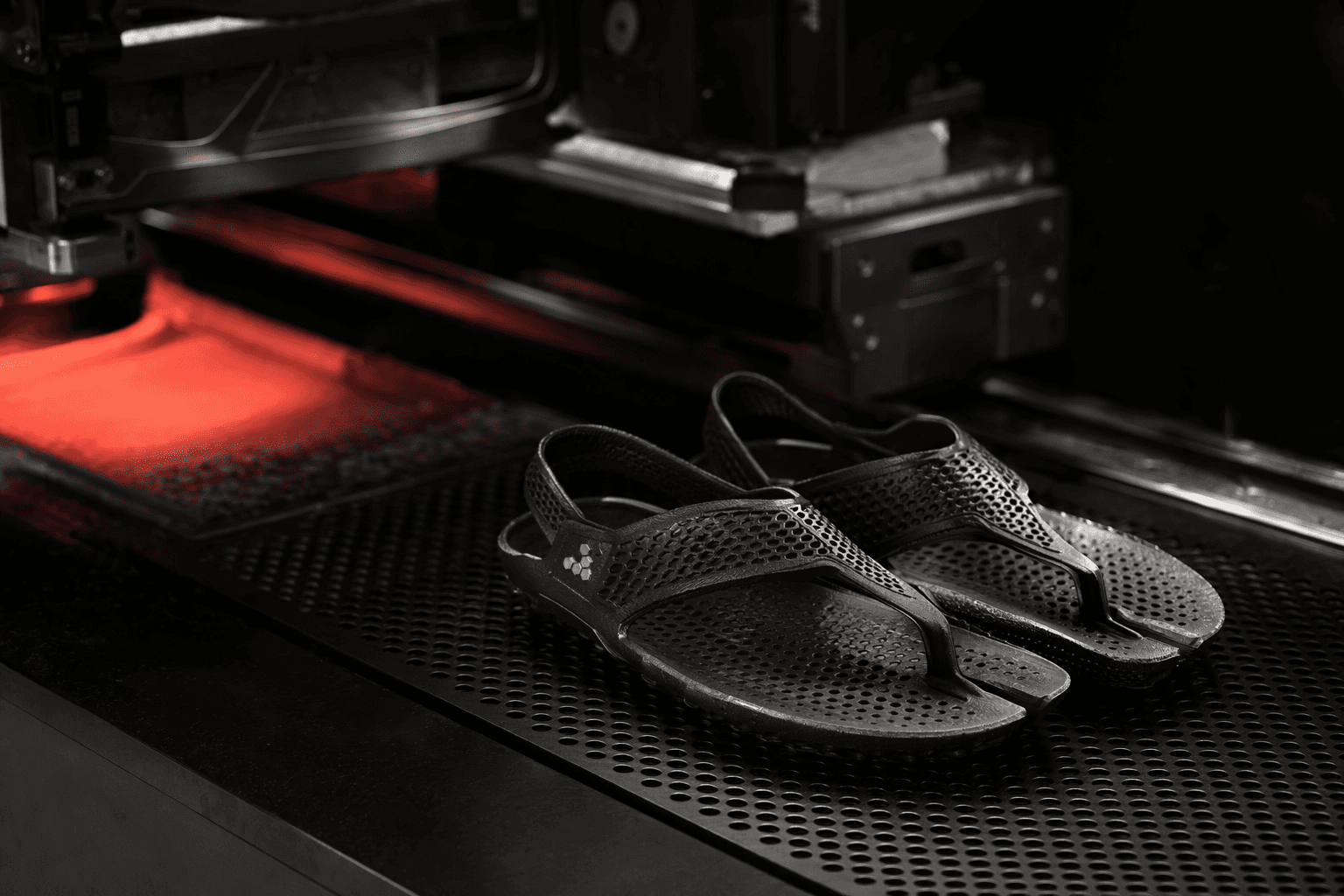
That matters because the first Tabi Gen 01 was kept intentionally small. Vivobarefoot produced 590 pairs and priced them at £140, a limited run that read more like a controlled pilot than a broad launch. The Gen 02 is being positioned as the next stage of that experiment, and Vivobarefoot says the new version is lighter and more precise than the original. For anyone following flexible and personalized manufacturing, that points to a familiar inflection point: fit, comfort, and repeatability start to matter as much as the novelty of printing footwear at all.

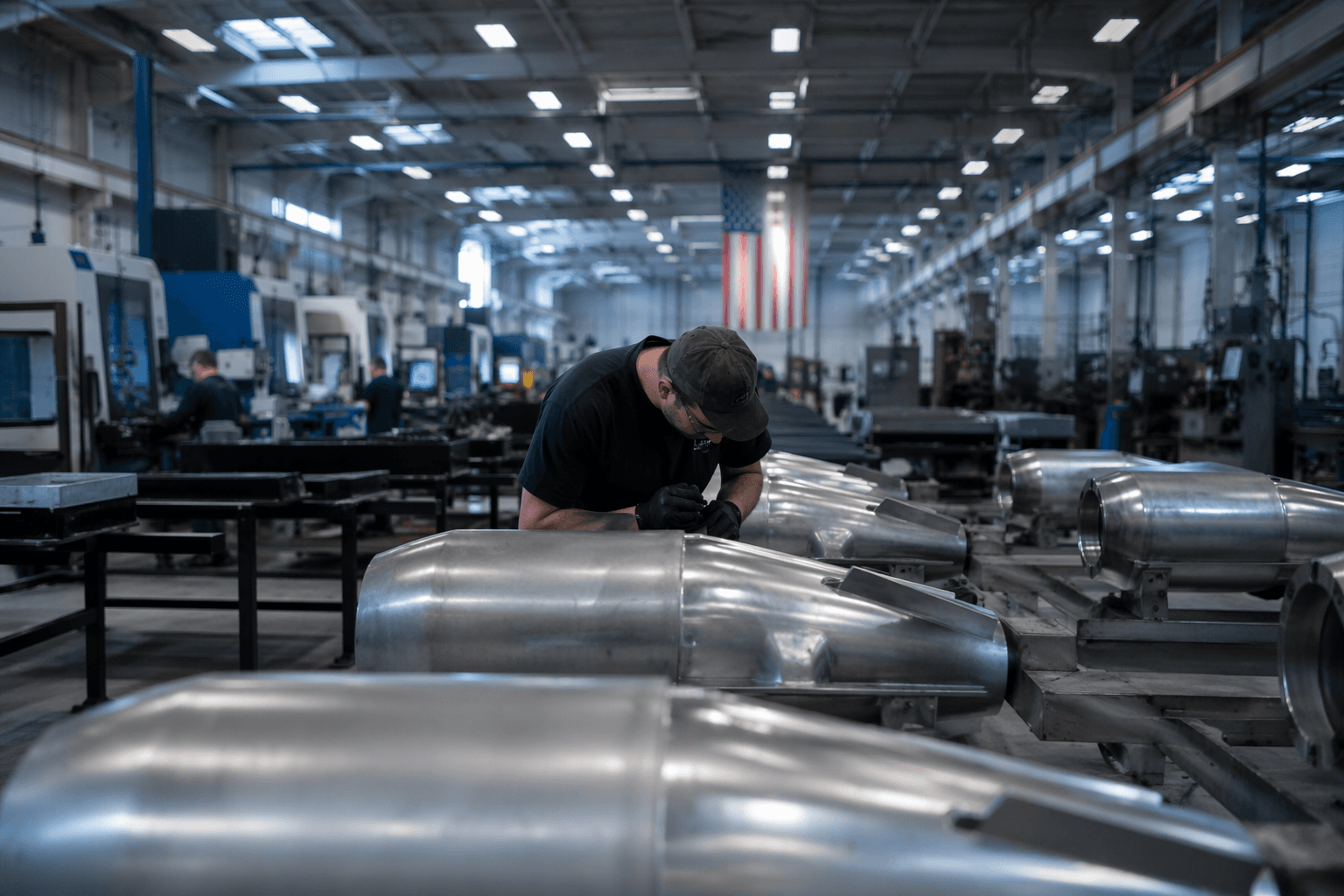
OECHSLER adds another signal that this is real production, not lab theatre. The company says it has been in business for more than 100 years and runs a global production network with sites in Europe, North America, and Asia-Pacific. That kind of industrial footprint suggests the Tabi Gen 02 is being built for a supply chain that can scale, not just for a launch-day showcase.
The rollout also looks deliberately staged. Footwear News reported initial scan locations in London and Bristol, with a planned U.S. rollout at Vivobarefoot’s SoHo flagship, followed by select doors in the European Union and Japan. That phased approach shows how scan-to-print footwear is maturing: the scan happens near the customer, the print sits inside a specialized production chain, and the product moves beyond curiosity into something people can actually buy and wear.
This article was produced by Prism’s automated news system from verified source data, official records, and press releases, then run through automated quality and moderation checks before publishing. The system is built and supervised by the people who set the standards it runs under. Read our full AI policy.
Did this article answer your question?