AGA 2026 blends aquascaping, ecology and rare plant conservation
AGA 2026 treats aquascaping as more than layout craft. Its speakers put native plants, river ecology and rare-species conservation at the center of the hobby.
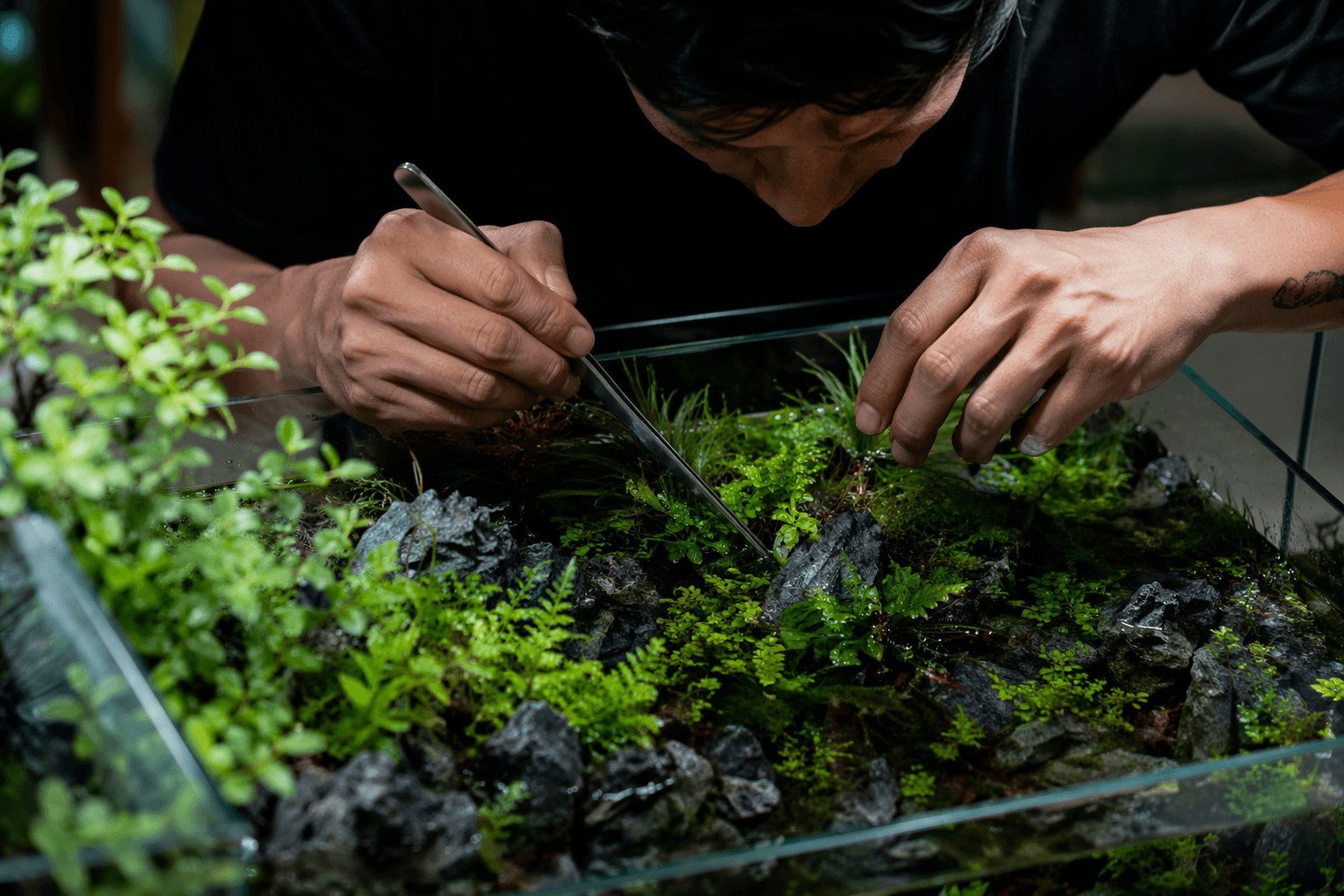
AGA 2026 looks built for aquascapers who want more than a polished final tank shot. The convention folds technique, ecology, plant collecting and conservation literacy into the same program, turning Sacramento into a meeting point for people who care about what goes into a layout and what comes back out of it.
A convention with deep roots in the hobby
The Aquatic Gardeners Association was founded in 1985, and since 2000 it has hosted a mostly bi-annual convention that pulls speakers from across the United States and around the world. That long run matters here because AGA 2026 does not read like a one-off showcase. It sits inside a convention tradition with archived presentation video from 2000 through 2024, which gives this year’s program a real historical spine and makes it easier to see how the hobby’s priorities have shifted over time.
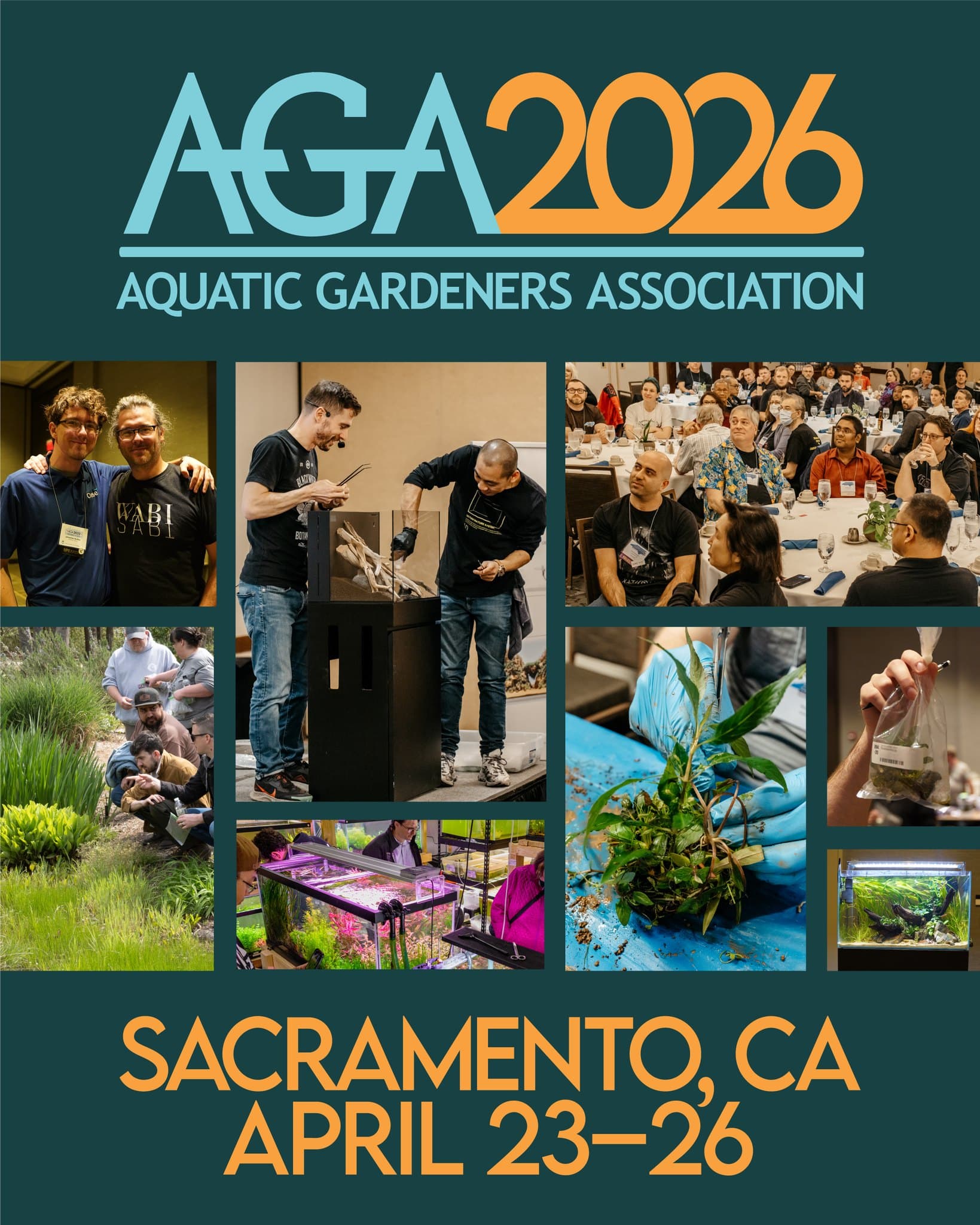
The 2026 convention is scheduled for April 23-26 in Sacramento, California, at the Wyndham Sacramento, 5321 Date Ave., Sacramento, CA 95841. AGA says the Sacramento Aquarium Society is hosting this year’s convention while FIN-DIG 2026 takes a break, which adds another layer of community continuity to the event. This is not just a room full of tanks and talks; it is a handoff between clubs, organizers and the wider planted-aquarium scene.
What the weekend is built to do
The schedule goes beyond lecture hall education. AGA says the convention includes workshops, live aquascaping demos, a Rare Species Charity Auction and a Mega Auction, which means the event is both a classroom and a marketplace for planted-tank material that is hard to find elsewhere. That combination shapes the whole atmosphere: people are not only learning how to build layouts, they are also seeing what rare plants and aquatic life are moving through the hobby right now.
The speaker list broadens that picture even further. Alongside the aquascaping headliners, the convention overview includes Brandon McLane, Michelle Conrey, Randy Carey, Daichi Araki, Aqua Design Amano and others, while the 2026 schedule also brings in Nick Kinser, Kapil Mandrekar, Jebriel Houdroj, Hector Ramirez Lara, Phil Farrell and Luis Navarro. The result is a program that reaches into paludariums, fertilizers, native fish and industry perspectives instead of stopping at competition-style planted tanks.
Why the speaker lineup feels like a turning point
The most revealing part of AGA 2026 is the way its speakers push the hobby outward. Chantz Cramer, a South Florida aquascaper and aquatic plant grower, has built his reputation around cultivating rare and emergent species and competing in both live and digital aquascaping contests. His talk on North American native aquatic plants for aquariums points straight at a bigger change in what counts as serious aquascaping education: it is no longer only about imported showcase plants or contest composition, but about ecology that makes sense in local and regional terms.
That matters for what people take home after the weekend. A tank built around native aquatic plants asks different questions than one built only around a familiar contest palette. It changes how clubs trade plants, how newcomers choose species, and how experienced aquascapers think about the line between display and habitat.
Ivan Mikolji pushes that idea even further. He is described as a river explorer, an underwater photographer and an associate investigator of the La Salle Institute, and his work is tied to the Orinoco River Basin in a way that makes conservation feel immediate rather than abstract. His Flora of the Orinoco project covers about 219 plant species in about 448 pages, and he says only 1,000 copies will be printed. With more than 100 expeditions behind him and innumerable publications to his name, Mikolji brings the logic of field documentation directly into the aquascaping conversation.
Dave Chow and the contest tradition that built modern aquascaping
Dave Chow gives the convention its clearest link to aquascaping as living art. He won the grand prize in the ADA International Aquatic Plant Layout Contest in 2007, and he has spent years promoting the idea of aquascape as something that lives between design, craft and growth. AGA says he will give a talk and a live aquascaping demo on Friday night, and the finished layout will go home with one lucky attendee while Chow works live and takes questions along the way.
His presence also ties AGA 2026 to the contest culture that helped define the modern nature aquarium. Chow served as a judge in AGA’s 2021 Aquascaping Contest, and his continued appearance in AGA publications keeps that lineage visible. For attendees, that means the weekend is not abandoning contest standards so much as placing them in conversation with ecology, native species and conservation-minded collecting.
What the broader program changes at the tank level
The shift in the program is not just philosophical. It changes the practical decisions people are likely to make after they leave Sacramento. A convention that pairs Cramer’s native-plant focus with Mikolji’s river ecology and Chow’s layout expertise sends a message that aquascaping skill now includes plant origin, habitat context and conservation value, not just composition and maintenance.
That broader agenda can reshape club swaps, tank builds and even the language people use when they talk about a great aquarium. Instead of asking only whether a layout is balanced or photogenic, the conversation can also ask where the plants came from, whether they fit a local ecology, and how collecting and propagation can support the hobby without draining it. The Rare Species Charity Auction and Mega Auction fit into that same framework, because they put the circulation of uncommon material right next to the idea of stewardship.
A weekend that mirrors where aquascaping is headed
AGA 2026 has the feel of a convention that knows the hobby is bigger than any one style. The archives from 2000 to 2024 show how much history the association already holds, and this year’s program extends that history toward native plants, field exploration and conservation literacy. That is what makes Sacramento feel important here: the event is still about skill, competition and beautiful layouts, but it is also asking what serious aquascaping education should mean now.
By the time the Friday demo tank goes home with one attendee and the Saturday talks have moved from North American natives to the Orinoco, the message should be hard to miss. The future of aquascaping education is not just brighter glass and tighter hardscape. It is a hobby that knows where its plants come from, what landscapes they represent and why that knowledge belongs in every serious planted tank.
This article was produced by Prism’s automated news system from verified source data, official records, and press releases, then run through automated quality and moderation checks before publishing. The system is built and supervised by the people who set the standards it runs under. Read our full AI policy.
Did this article answer your question?