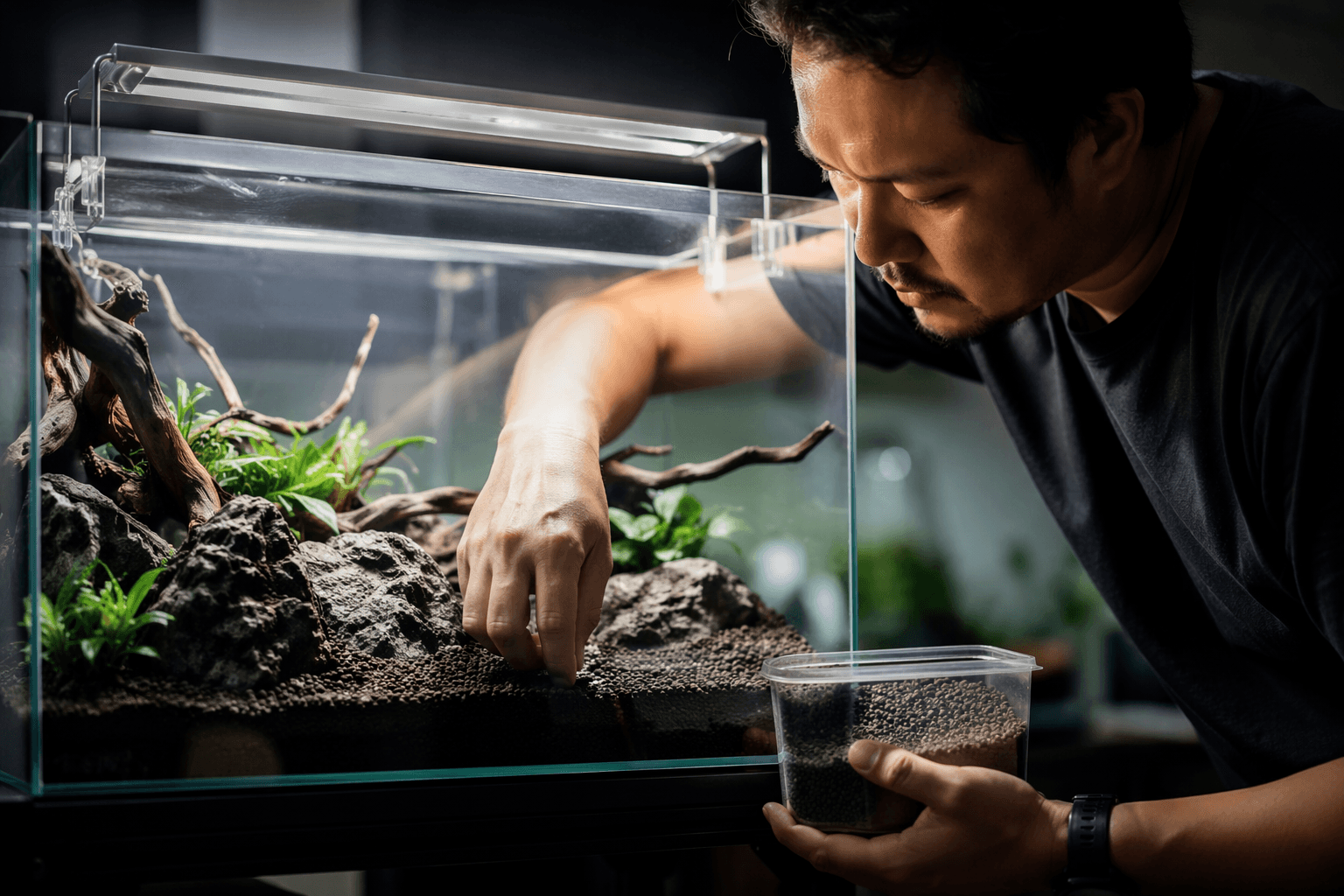
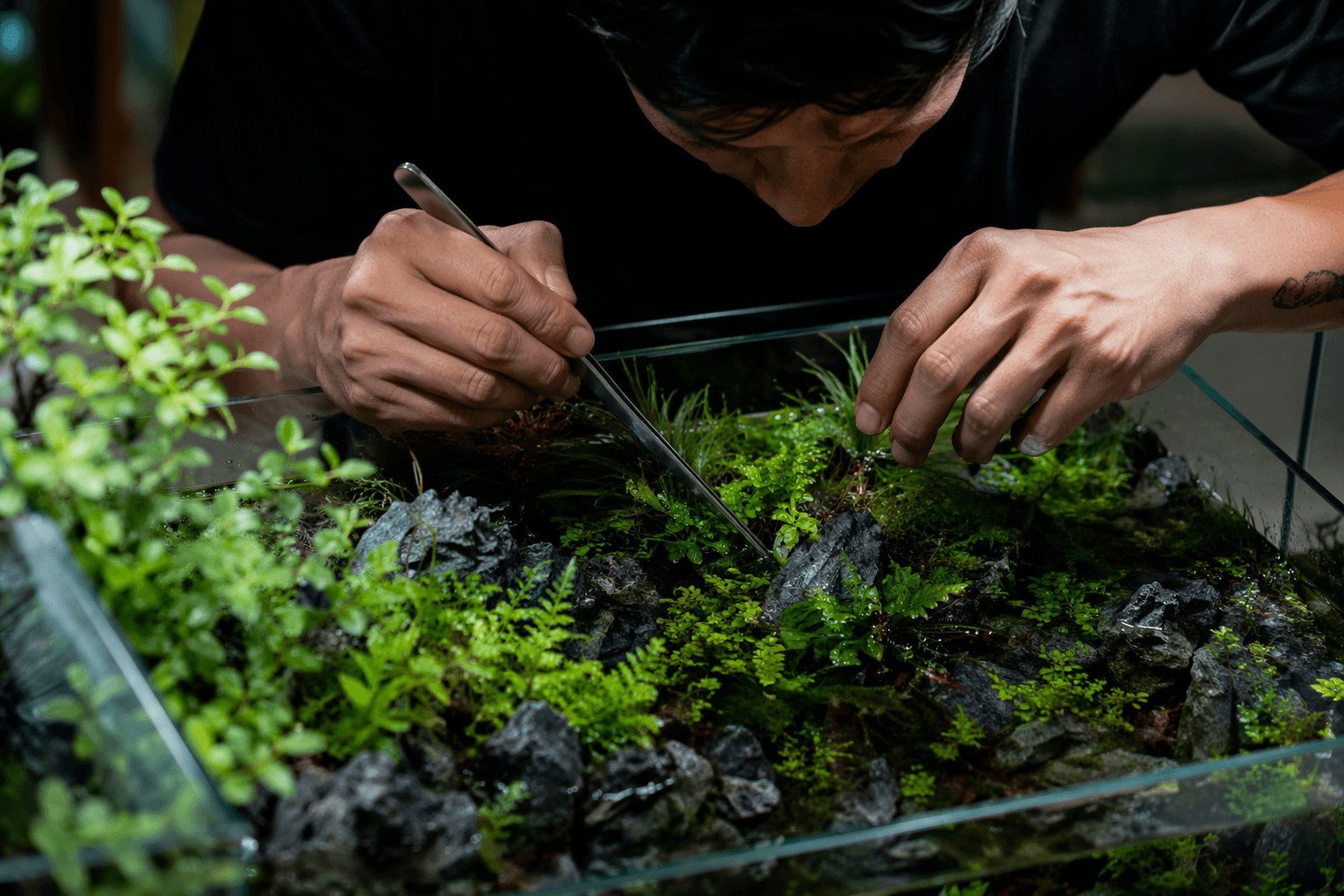
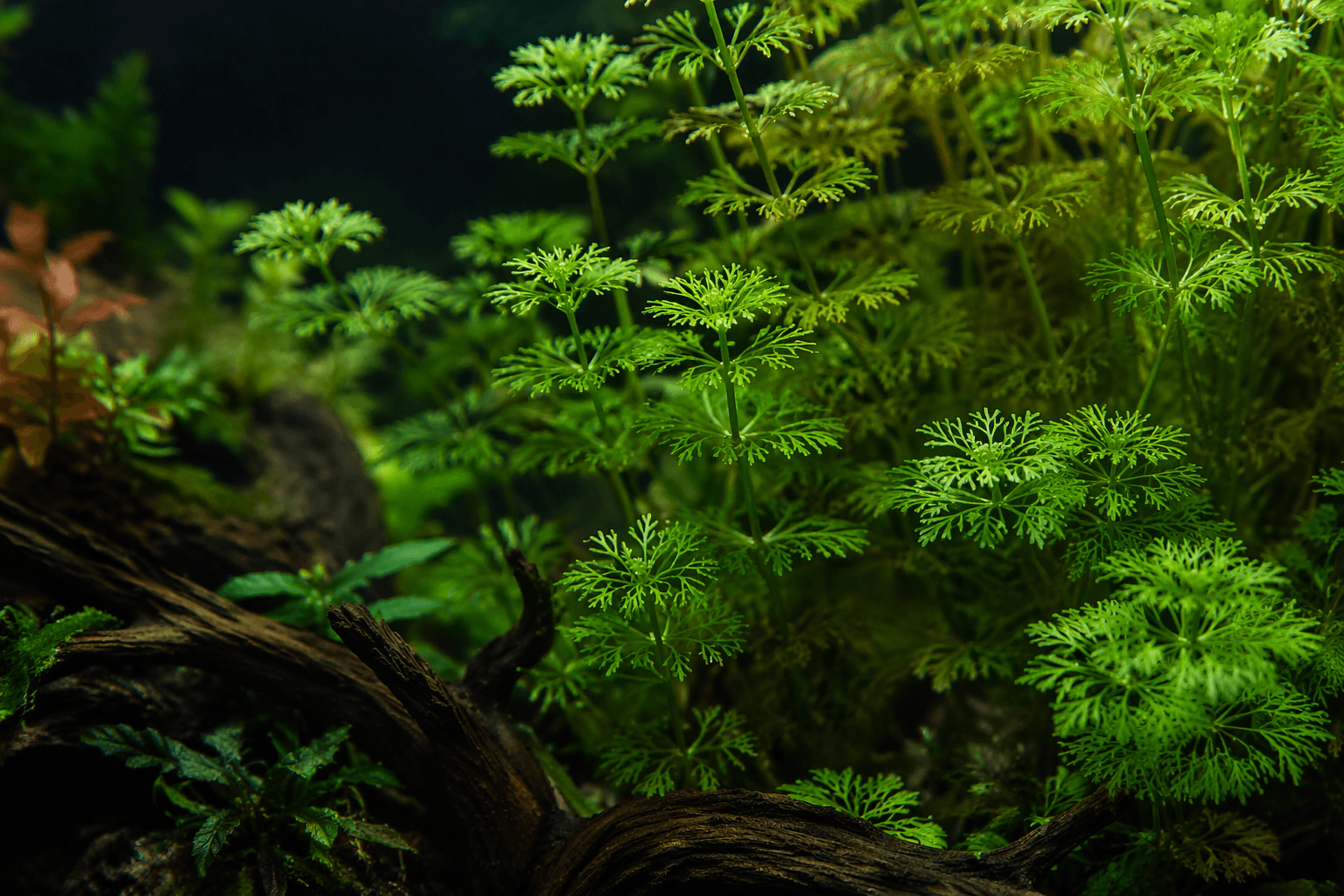
Aquascaping guide says balance light, carbon, and nutrients for growth
Balance beats blind dosing: when light, carbon, and nutrients line up, plants grow and algae backs off. Miss one piece, and the tank usually tells you with stalled growth or pale leaves.
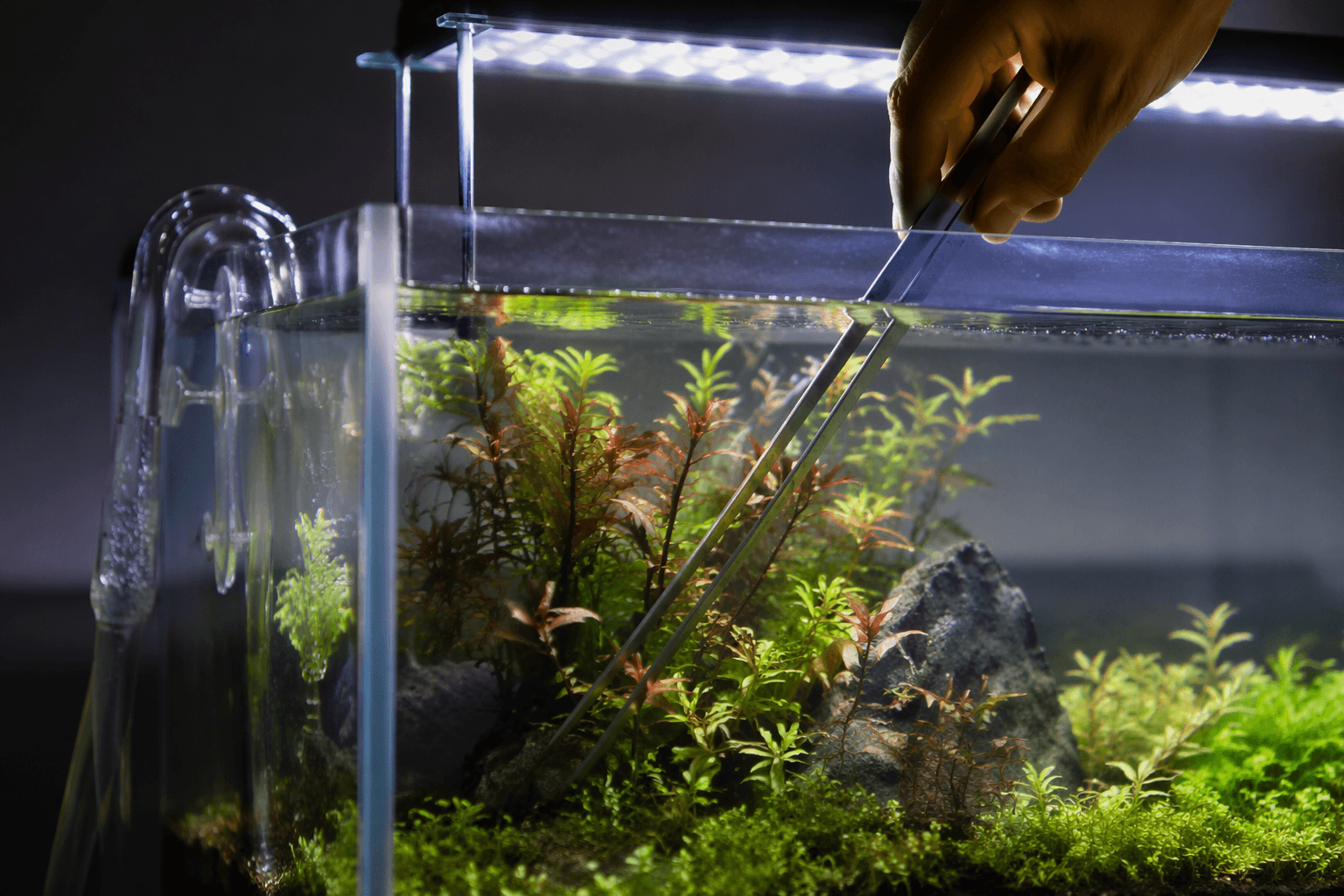
If growth has stalled, algae has erupted, or new leaves look washed out, the real question is not how much more to dose, it is which part of the system is limiting the plants in the first place. In a healthy aquascape, light, carbon, and nutrients work together, and if one of those legs is weak, the whole setup starts leaning toward algae instead of growth.
Start with the bottleneck, not the bottle
High light with weak carbon is a classic trap. For Tropica, CO2 is the most important nutrient for aquarium plants, and without extra CO2 many medium and advanced plants will not thrive. Most aquarium plants do not thrive without CO2 fertilization, while algae does, which is why a tank can look brighter on paper and worse in the glass.
If your stems are stalling, your carpet is thinning, or your red plants are fading to pale green, you do not fix every symptom by increasing fertilizer across the board. You look at the balance: too much light can outpace available carbon, and too little nutrient can leave the plant unable to use the light you are giving it. The answer is usually to change one variable at a time, then watch the tank long enough to see what actually moved.
What the plants are asking for
The main macronutrients are easy to remember once you stop treating them like a chemistry exam. Nitrogen drives leafy growth, phosphorus helps the plant process energy, and potassium keeps cells functioning properly. Micronutrients such as iron, manganese, boron, and zinc fill the gaps that keep new growth healthy and colorful. When any one of those pieces runs short, the plant shows it first in the newest leaves, the slowest stems, or the dullest color.
The old barrel analogy fits because the shortest stave sets the ceiling. A tank can have strong light and a full fertilizer schedule, but if one ingredient is missing, the rest cannot compensate.
Why balance matters more than brute force
The chemistry behind planted tanks is the same chemistry that creates nuisance algae when it gets out of hand. Excess nitrogen and phosphorus can drive excessive algal growth that harms aquatic life; the U.S. Environmental Protection Agency, U.S. Geological Survey, and NOAA describe the same problem in broader aquatic systems. Too much nitrogen and phosphorus in water causes eutrophication, with algae feeding on those nutrients and spreading, and when those nutrients are too abundant, algae can grow faster than ecosystems can handle, leading to harmful algal blooms.
In the aquarium, you are not trying to eliminate nutrients. You are trying to keep them available in a way the plants can use before algae gets the upper hand. When the balance is right, fertilizer supports steady growth and better resilience. When it is wrong, the same nutrients that should have fed the plants become part of the algae problem.
Use routine maintenance as the correction tool
Consistency matters more than rescue dosing. Fertilizer works best as part of routine maintenance, not as an emergency patch for a tank that has already slipped. If growth is steady and the plants are healthy, you are feeding the system before it starts showing stress. If you only dose when things look bad, you are usually reacting to a different bottleneck, not solving it.
That approach lines up with the Estimative Index method associated with Tom Barr. EI is built around supplying excess nutrients through the week, then resetting the system with regular large water changes instead of trying to hit a perfect number with test kits. Barr says planted aquariums have been his focus since 1989, and that he has maintained and designed planted tanks ranging from about 1 gallon to almost 1600 gallons. Give plants enough to grow, then use water changes to keep the system from drifting into trouble.
A new tank needs a different playbook
Fresh setups are where a lot of people overcorrect. Tropica recommends fast-growing plants at the start because they absorb excess nutrients and help minimize algae. It also advises frequent water changes in the first 3 to 4 weeks of a new aquarium, along with limited fertilizer while the plants establish. That combination matters because a new tank does not yet have the same plant mass or stability as a mature aquascape.
If you load a young tank with nutrients before the plants have rooted and started moving, you hand algae an easier target. Fast growers, steady water changes, and restrained dosing give the tank time to settle into a rhythm before you ask it for more demanding growth.
Read the tank before you change the recipe
When something goes wrong, work in sequence. First, check whether light is outrunning carbon. Next, look at whether the new growth is pale, which usually points you back toward nutrition rather than trimming or flow. Then make one change, not five. Backing off light, improving CO2, or adjusting fertilizer one step at a time gives you a read on what the tank actually needed.
This article was produced by Prism’s automated news system from verified source data, official records, and press releases, then run through automated quality and moderation checks before publishing. The system is built and supervised by the people who set the standards it runs under. Read our full AI policy.
Did this article answer your question?