Beginner aquascapers can save plants by avoiding common mistakes
The biggest beginner mistake is not “bad luck,” it’s bad setup choices. Pick forgiving plants, expect melt, and keep light and nutrients steady.

Aquarium plants are not hard in the way beginners are told they are. They are unforgiving of the wrong setup: the wrong species, too much light, buried rhizomes, and a fertilization plan that looks more complicated than the tank itself. Once you strip away those mistakes, planted tanks get a lot more approachable, and early wins come from patience and stability rather than expensive gear.
Start with plants that can take a few knocks
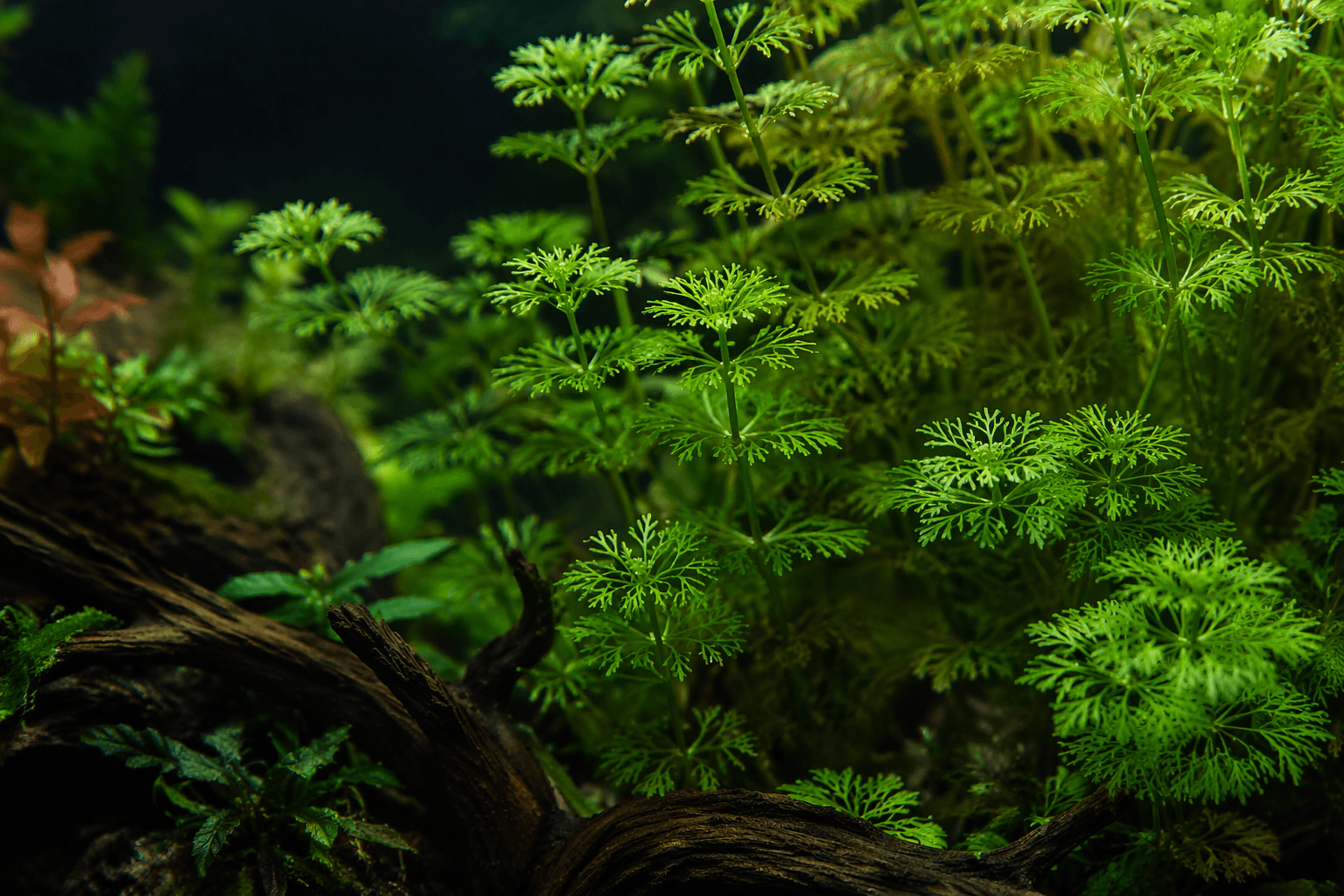
The easiest path into aquascaping is choosing species that are already built for beginners. Freshwater plants that are easy to care for and adaptable, including staples like Java fern, Anubias, and Amazon sword, give you a far better chance of success than delicate carpeting plants or other high-demand species. That matters because the plant is not just decoration in an aquascape, it is structure, depth, and color all at once.
Low-light plants make that first step even easier. Fishkeeping World notes that you do not need an expensive high-tech lighting system to create an attractive aquascape, and that is a useful reality check for anyone who thinks better plants only come with better gear. In practice, a hardy plant in a stable tank will usually teach you more than a fussy species in a showroom-style setup.
Treat melt as adjustment, not a death sentence
One of the most common beginner panics is mistaking plant melt for failure. Buce Plant says melt is very common in newly added aquatic plants, and that a few leaves melting is actually natural in most cases. That is especially important for new aquascapers, because the first reaction is often to uproot the plant, replace it, or keep rearranging it before it has time to settle.
Cryptocorynes are the classic example. Buce Plant’s crypt melt guidance says that if the plant has healthy roots and you leave it in place once planted, new growth should appear within a few weeks. That simple detail saves a lot of good plants, because the mistake is rarely the melt itself, it is the impatience that follows it.
Keep the light steady, not intense
Lighting is where many new planted tanks go sideways. Fishkeeping World warns that tanks placed near windows are more prone to algae growth, and the safer approach is artificial LED lighting rather than letting sunlight decide the schedule. The University of Illinois Extension adds another practical habit: put aquarium lights on a timer so the tank keeps a consistent light-dark cycle for both plants and fish.
That consistency matters because too much light does not make a struggling tank stronger. It often pushes algae faster than the plants can adapt, especially when roots are still establishing. In the earliest weeks, the goal is not maximum brightness, but a predictable routine that helps the plants settle before algae gets a foothold.
Expect the first weeks to be messy
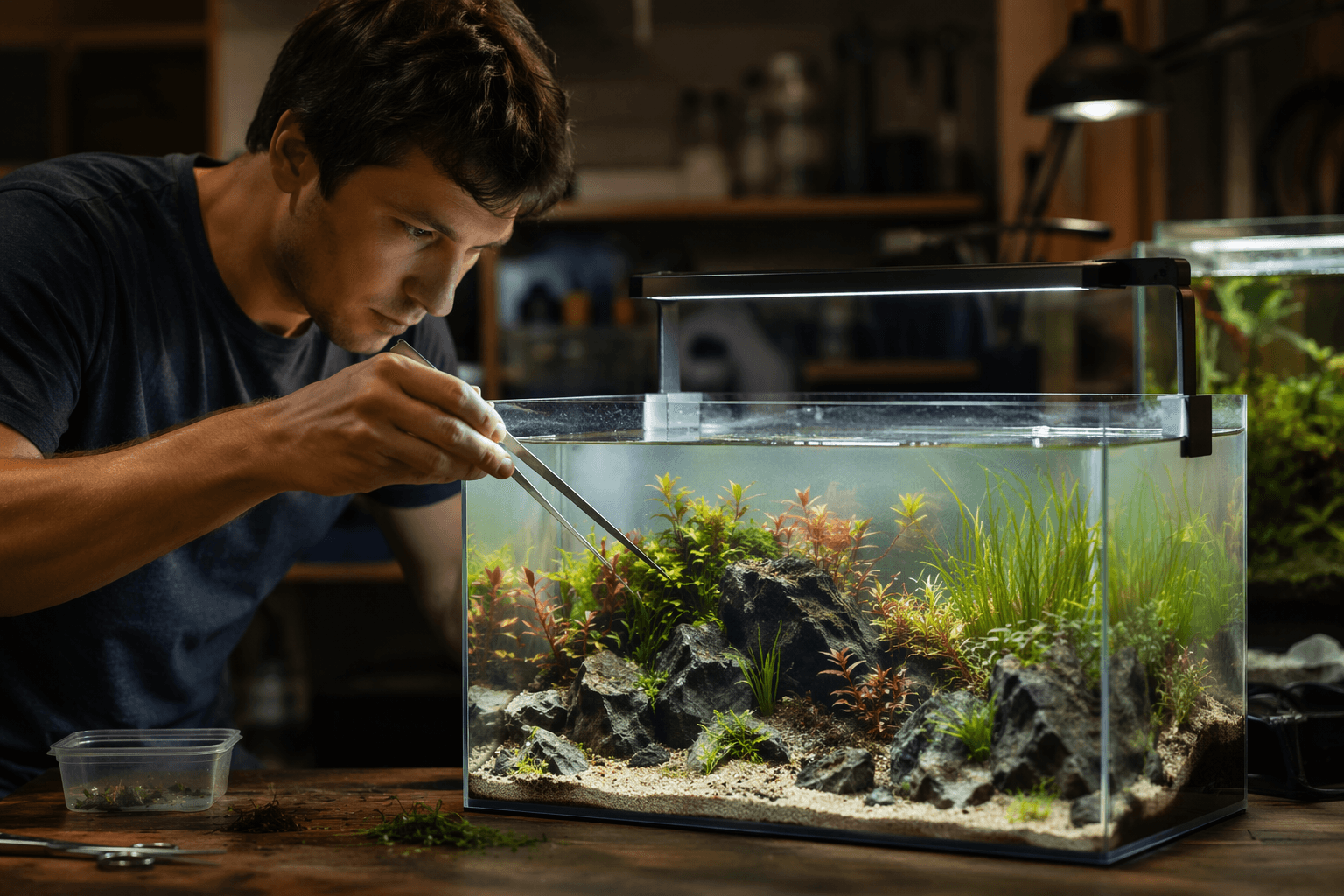
Startup instability is part of the planted-tank learning curve. The 2Hr Aquarist says algae on plants is common in the first one or two weeks in new tanks, and that within the first three months algae problems are often part of startup instability. That timeline is useful because it tells beginners not to judge the tank too early.
This is also where restraint pays off. Strong-looking plants are usually less vulnerable to algae than stressed ones, and stability does more good than constant intervention. If the tank is still young, small changes are better than big corrections: keep the light cycle steady, leave healthy plants in place, and let the system settle before you start rewriting the layout.
Do not overcomplicate nutrition
Plants and algae are both tied to nutrients, which is why fertilizer often gets overthought by beginners. Rutgers NJAES explains the basic nitrogen cycle in planted aquariums: beneficial bacteria convert fish waste ammonia into nitrite and then nitrate, which is much less toxic to fish and can be absorbed by plant roots. That is the backbone of why planted tanks can work as living systems instead of decorative boxes.
Penn State Extension makes the long-term point even more plainly: nutrient control is the lasting solution to excessive aquatic plant and algae growth. In other words, the answer is not to dump in more products every time a leaf looks rough. The better move is to keep the tank balanced, let the plants use available nutrients, and avoid creating the kind of excess that feeds algae faster than the aquascape can handle.
The beginner win is stability
That is the real correction at the center of this hobby: aquarium plants are not hard, they are sensitive to bad first moves. Choose forgiving species, expect temporary melt, keep the light on a timer, and do not bury a rhizome or rebuild the tank every time a leaf browns. Those are small habits, but they do more for a planted layout than buying more hardware.
A healthy aquascape starts looking better once the plants stop fighting the setup and start working with it. When the tank is stable, the plants hold the design together instead of falling apart, and the whole layout gets the depth and color that make aquascaping worth the effort.
This article was produced by Prism’s automated news system from verified source data, official records, and press releases, then run through automated quality and moderation checks before publishing. The system is built and supervised by the people who set the standards it runs under. Read our full AI policy.
Did this article answer your question?