Moneywort brings hardy, versatile growth to planted aquariums
Moneywort gives planted tanks an easy green backbone, then trims into a layout plant with enough structure for background bushes, stem groups, and Dutch contrast.
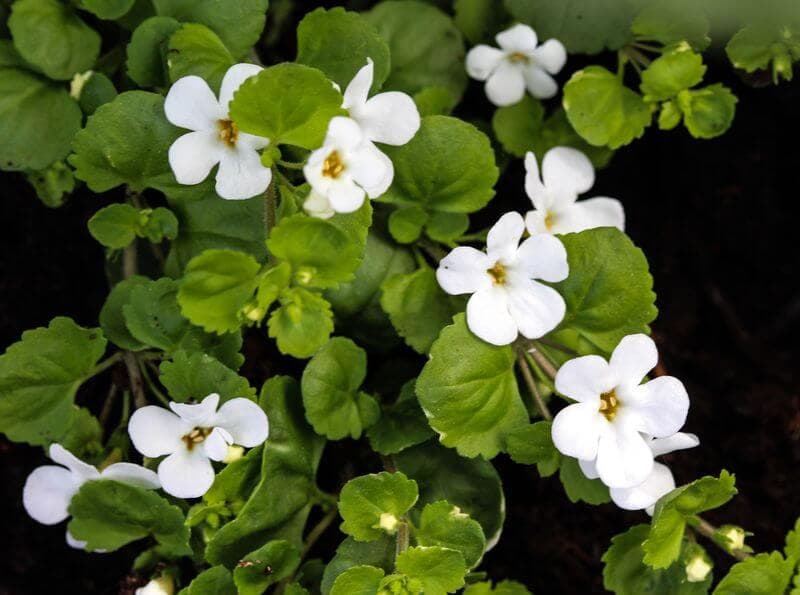
Bacopa monnieri, the aquarium plant known as moneywort, forgives beginner mistakes and still trims into a polished stem plant when you cut it with intent. In planted aquariums, it bridges the gap between simple filler and deliberate composition, giving a tank soft greenery, shelter for livestock, and enough structure to hold a layout together.
What moneywort actually is
Bacopa monnieri is the plant aquarists know as moneywort, and it also travels under names such as water hyssop, coastal hyssop, creeping plant, and herb of grace. USDA lists it as a perennial wetland forb/herb, and North Carolina State Extension places it in freshwater tidal marshes, riparian areas, streams, pools, and muddy shores. That range of wet habitats helps explain why it is so adaptable in aquariums, where it tends to cope with less-than-perfect conditions better than fussier stem plants.
The plant’s wider reputation reaches well beyond the aquarium trade. It has a long history in Ayurvedic medicine, where it has been used for centuries as Brahmi, especially in connection with memory, learning, and concentration. FDA substance records list a wide set of synonyms.
Why it works in planted tanks
Moneywort is valued first for being a live plant that does useful work. In an aquarium, live plants can take up nutrients from fish waste and organic debris, which helps with ammonia control and overall stability. They also support oxygenation and help create safer, calmer water conditions, while giving fish and fry extra shelter among the stems.
Submerged aquatic plants provide habitat for micro- and macroinvertebrates, which then become food for fish and other wildlife. In aquascaping terms, that means moneywort is not just a decorative green stem, it also contributes to habitat complexity, making the tank feel more complete for livestock that needs cover and grazing space.
It is forgiving enough for new hobbyists who want a dependable, fast-responding green plant, but it is also structured enough for intentional layouts that need clean lines and repeated form.
Where it looks best in the aquascape
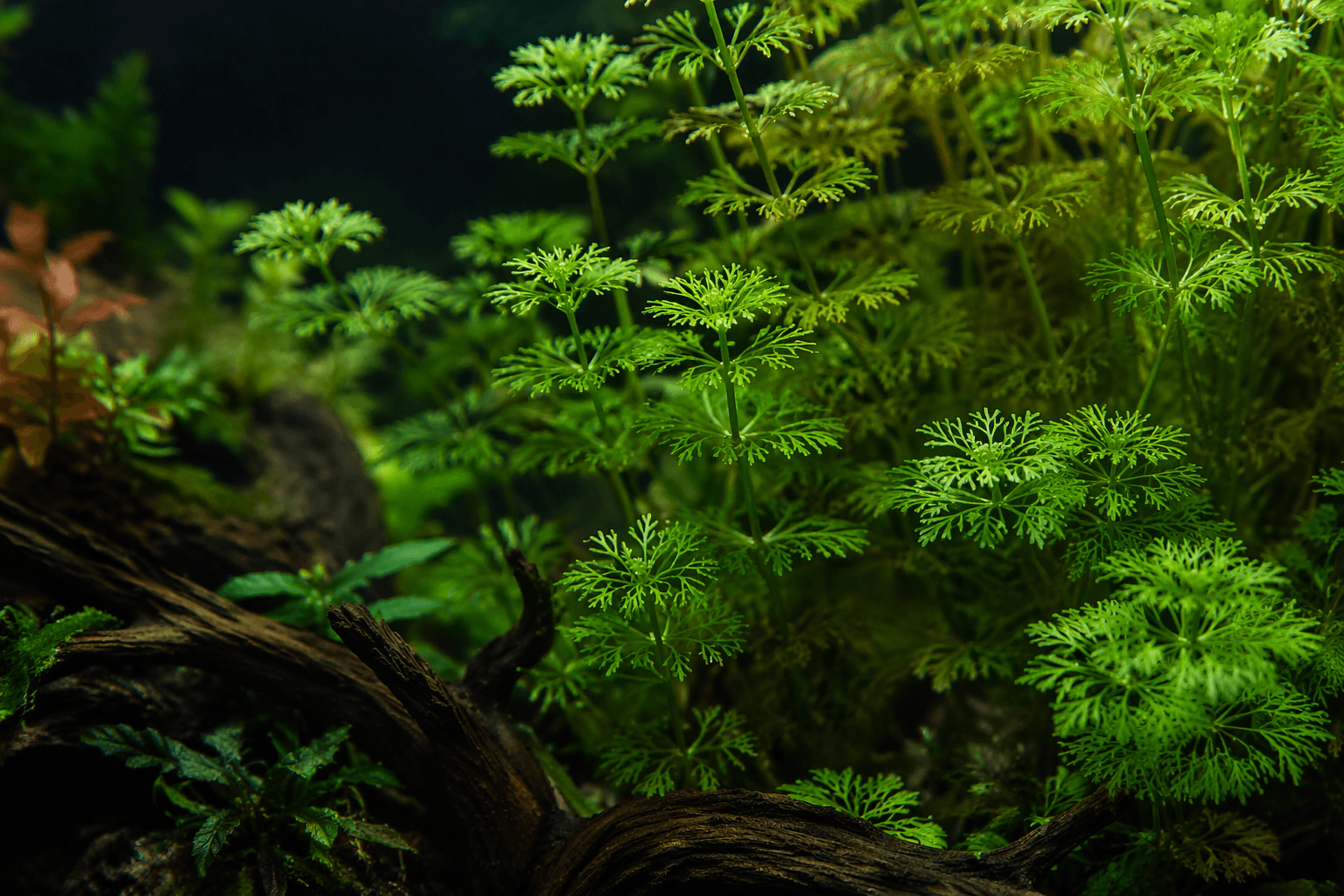
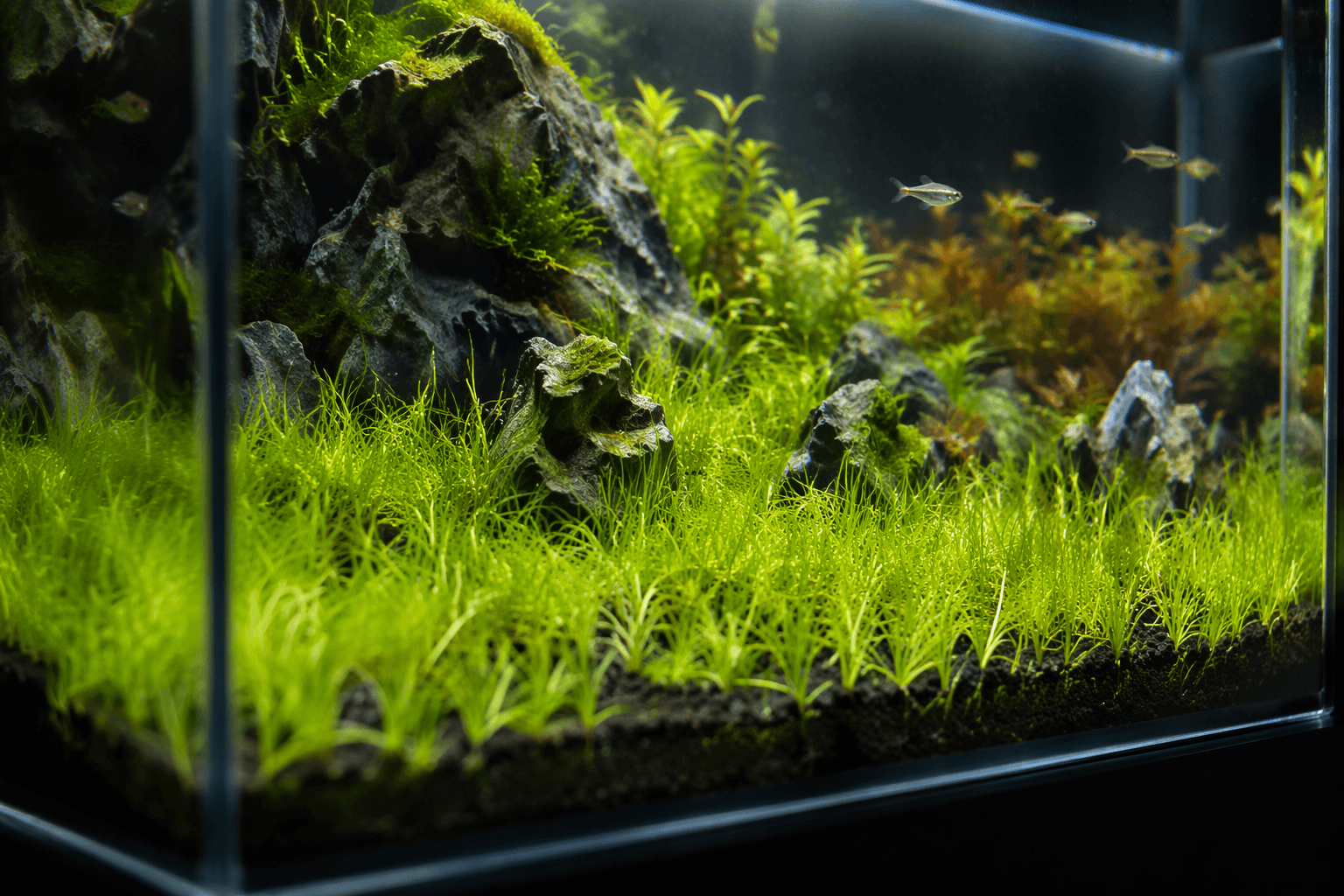
Moneywort is at its strongest when you use its vertical, leafy growth to define space. The classic placement is in the background, where it can form a bushy wall or a grouped stem mass that frames the rest of the tank. Some aquarists also use it more aggressively, even pushing it into carpet-like coverage, which shows how flexible the plant can be when you are working with a larger composition.
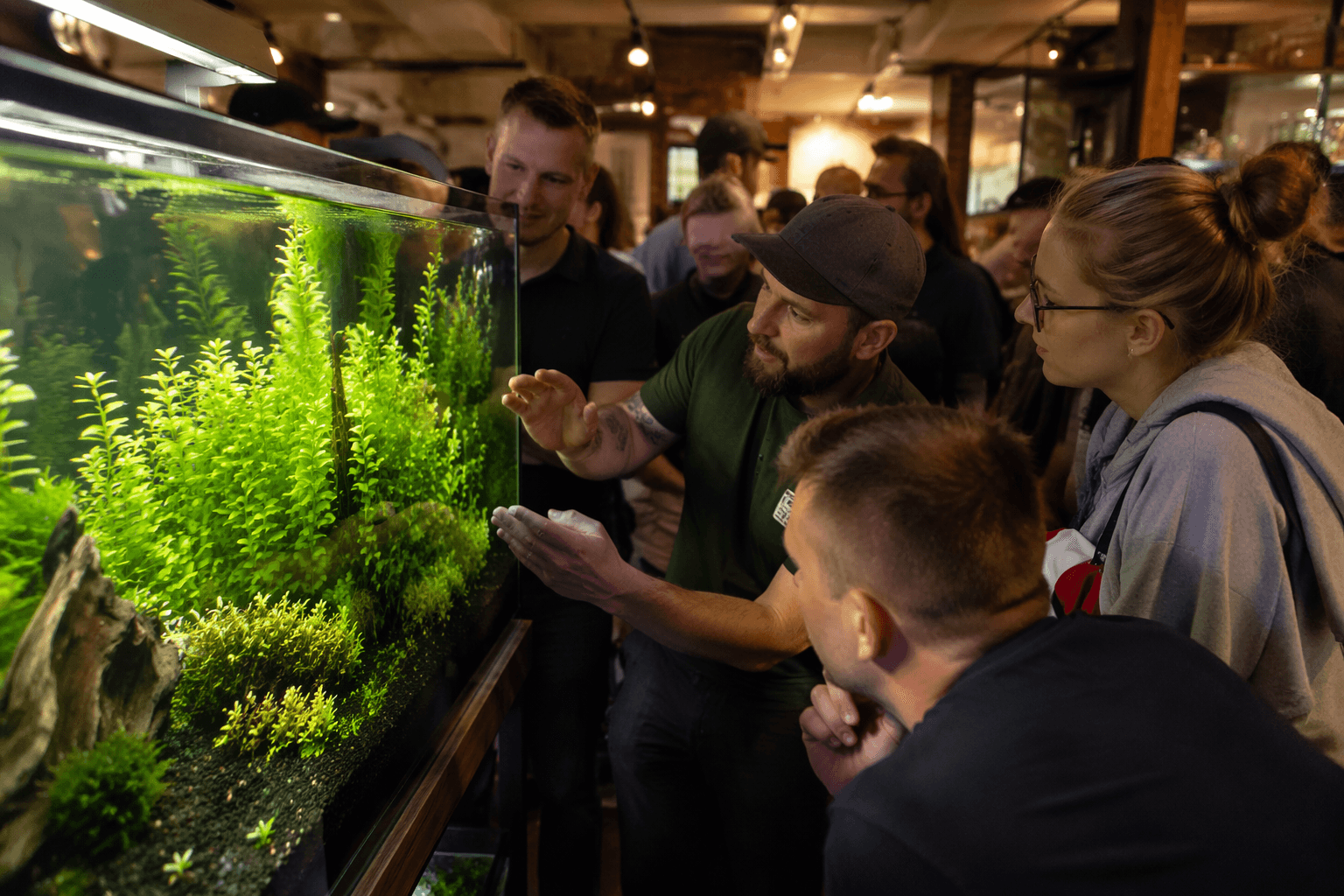
It is especially useful in layouts that need contrast without losing a natural look. In Dutch-style aquascapes, moneywort can function as a clean green block of texture, giving the eye a rest between more detailed plant groups. Its simple leaf shape and steady growth make it useful for softening hardscape lines, hiding equipment, and giving a tank a fuller, more finished silhouette without demanding a specialist setup.
Its broad natural distribution helps explain that adaptability. Across multiple continents and habitats, moneywort keeps producing new stems despite minor fluctuations.
How pruning shapes the final look
With moneywort, trimming is not just maintenance, it is design. Left alone, it pushes upward into a looser, more casual stand of stems, which can be useful if you want a fuller background mass. Kept under regular pruning, it tightens into a denser shape, and that is where it starts to look deliberate rather than merely healthy.
That makes pruning the main tool for deciding whether moneywort reads as a soft bush, a grouped stem run, or a more disciplined layout element. If the goal is a clean aquascape, repeated cutting keeps the tops even and encourages the plant to fill out from below. If the goal is a wilder planted look, less frequent trimming lets it rise and spread with a more natural rhythm.
Every trim changes the silhouette.
Keep it in the tank, not the landscape
Florida IFAS lists Bacopa monnieri as a native aquatic weed that can harm landscapes, native species, and water quality when it becomes established outside managed settings. The U.S. Fish and Wildlife Service identifies it as widely sold as an aquarium plant and introduced in Southern California, with established populations along the lower Colorado River and at golf course ponds in the Palm Springs area.
This article was produced by Prism’s automated news system from verified source data, official records, and press releases, then run through automated quality and moderation checks before publishing. The system is built and supervised by the people who set the standards it runs under. Read our full AI policy.
Did this article answer your question?