Floating plants add depth, shade, and natural balance to aquariums
Floating plants can change an aquascape faster than a new hardscape, tuning light, shading algae, and giving shy fish cover from the surface down.
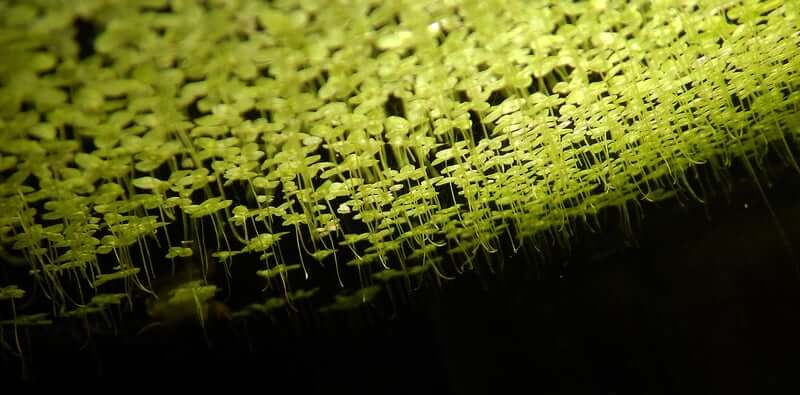
Floating plants soften harsh light and change the character of an aquarium without tearing up the layout below. They shift the view from above and below and make a tank read more like a living habitat than a glass box. In aquascaping, where the arrangement of plants, wood, rock, and substrate is supposed to simulate nature, that surface layer is part of the composition.
Light diffusion is the first job
If the tank feels too bright, too clinical, or too exposed, floating plants are the quickest correction. Aquarists can vary light levels simply by controlling how densely the surface is covered, which makes floaters a practical dimmer switch for the whole system. A thin cover keeps the aquascape open and bright; a denser mat softens the beam and changes the color and contrast you see from below.
The top of the aquarium affects everything underneath it. Floating plants with roots hanging into the water add a vertical layer of structure, while the leaves above the surface break up glare before it reaches the scape.
When algae is the problem, shade does the heavy lifting
For tanks fighting algae, floating plants solve the problem from two angles at once. They consume nutrients from the water column, which helps reduce the excess feed algae love. At the same time, their shade lowers light intensity below the surface, cutting the conditions that let algae race across glass, hardscape, and leaves.
That combination is why floaters show up in low-tech planted tanks so often. They give the aquarist a simpler route to a planted look because they work in the water column, not just in the substrate, and they can improve the tank’s balance without demanding CO2 or a heavily engineered setup. Floating plants can also act as a useful indicator of nutrient and water conditions.
For a softer mood, think in terms of coverage, not decoration
The strongest visual effect of floating plants is often the one aquascapers feel before they name it: the tank starts to look less exposed and more settled. Floating plants create a more comfortable environment for shy fish by adding shade, and that same shadow makes the whole aquarium feel calmer from the viewing side. In a planted tank, that is a useful way to get a natural, almost wild presentation without changing the hardscape at all.
This is where floaters earn their place in a blackwater-style or low-light mood, even when the tank itself is not a true blackwater setup. A broken surface, softer reflections, and a darker view from below can turn bright open water into something more intimate.

Fish security comes from the top down
Shy and nocturnal fish benefit from floating plants for the same reason people do in a crowded room: overhead cover makes the space feel safer. The leaves and root mass together create a calmer zone that many species will use as a retreat. The top layer can reduce stress without closing off the whole tank.
Just as important, floaters can create shade while still leaving open swimming lanes below. That balance keeps the aquascape from feeling overbuilt. A tank with surface cover and clear lower water can support both security and movement in community tanks and nature-style layouts where flow, depth, and overhead cover all matter.
Easy maintenance depends on keeping the surface under control
Floating plants are appealing because they are easy to adjust during routine care. Since they live at the surface, you can thin them to restore brightness, or pull out excess growth without disturbing the rocks, wood, or substrate underneath. That makes them one of the least disruptive ways to change the mood of a tank after the layout is already set.
The catch is density. Floating plants can block too much light if they spread aggressively, so maintenance is part of the design. The best use of floaters is controlled coverage: enough to diffuse light and soften the scape, not so much that submerged plants start to starve.
Low-maintenance propagation is the quiet advantage
Floating plants also fit the aquarist who wants a planted look without a complicated routine. Because they work from the water column and spread at the surface, they can give a tank a fuller appearance with very little intervention, especially in simpler, low-tech setups. That is a big reason they are so often treated as a beginner-friendly tool.
This article was produced by Prism’s automated news system from verified source data, official records, and press releases, then run through automated quality and moderation checks before publishing. The system is built and supervised by the people who set the standards it runs under. Read our full AI policy.
Did this article answer your question?