APOD spotlights Mare Orientale in rare favorable lunar libration view
A favorable libration window on July 7 let APOD pull Mare Orientale into sharp view, exposing a basin that usually hides near the Moon’s limb.
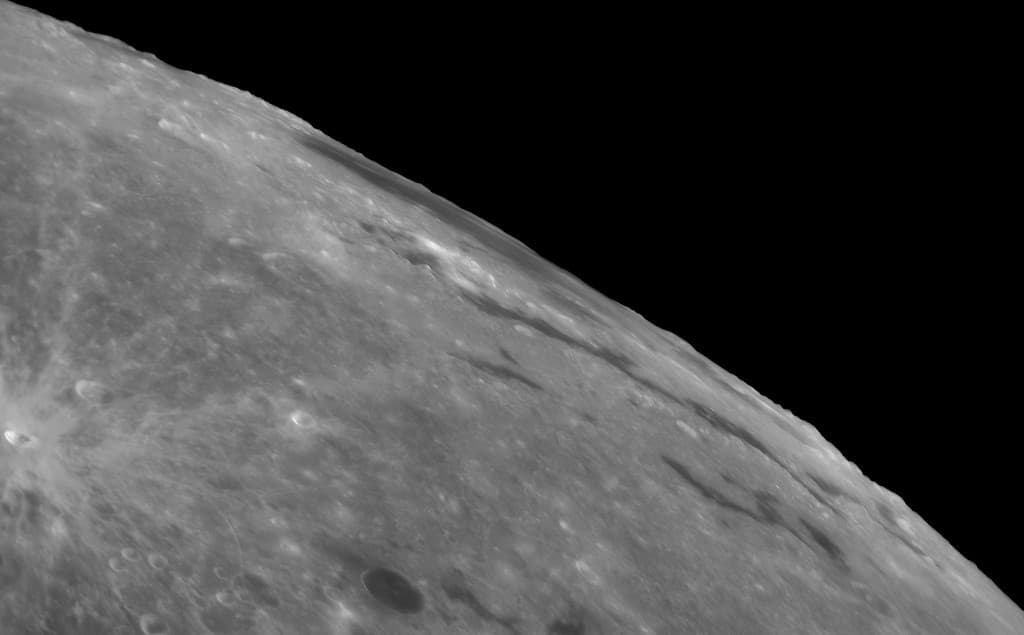
A favorable libration window on July 7 put Mare Orientale into sharp relief in APOD’s July 10 entry, Western Moon, Eastern Sea. In the telescopic image, the Eastern Sea sat at the upper right, a reminder that the best lunar frames often come from timing and geometry as much as from aperture and resolution.
That is the practical lesson for lunar imagers. Mare Orientale lives near the lunar limb, where it is usually hard to see from Earth, but the Moon’s slight tilt can swing the near side just enough to expose terrain that is normally foreshortened or hidden. The east-west labeling on lunar maps was reversed in 1961, which is why a feature called the Eastern Sea appears on the Moon’s western edge in a telescopic view. For observers planning a session, that makes libration calendars and ephemeris tools as useful as any camera setting.
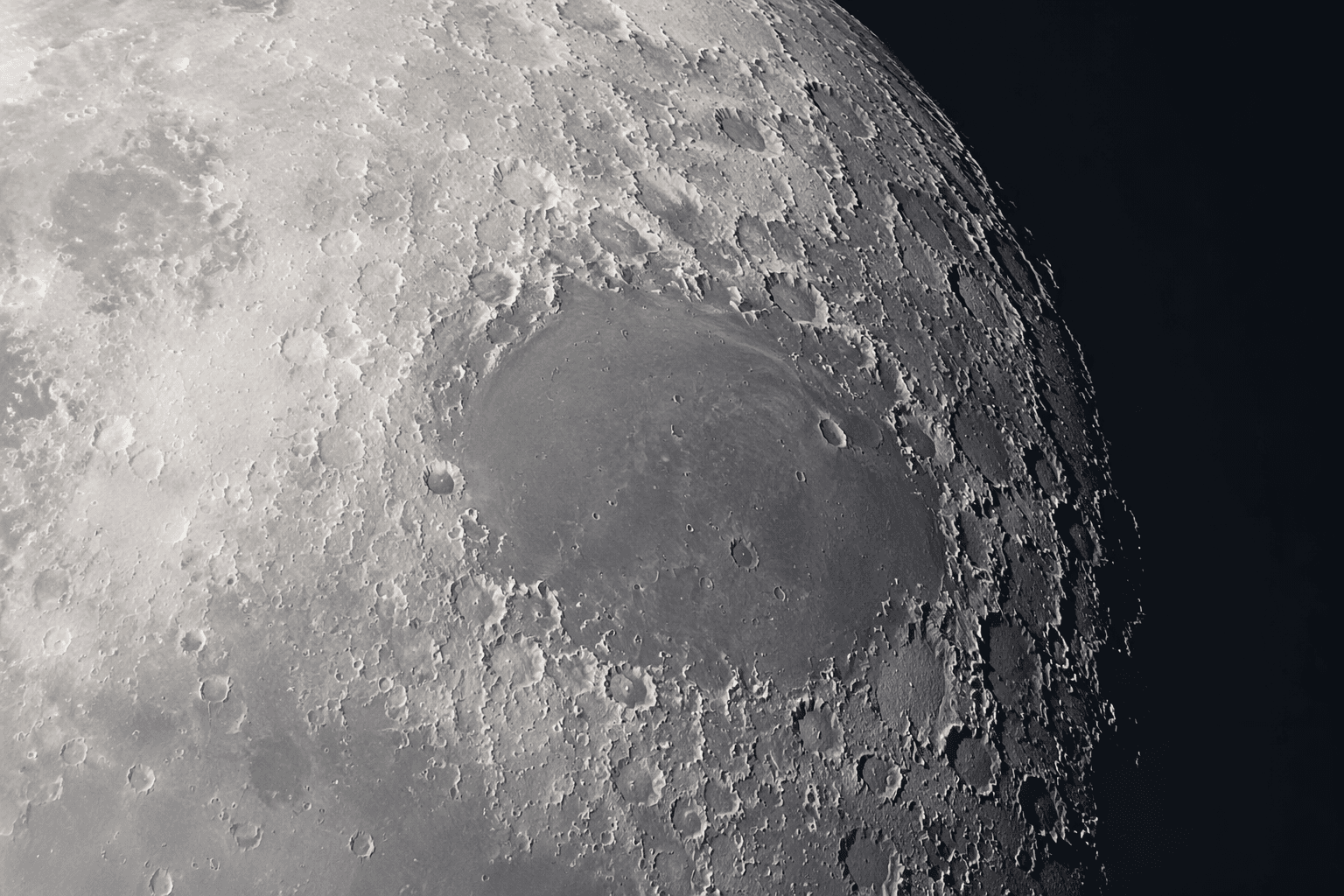
The feature itself is one of the Moon’s most striking large-scale basins. An ancient asteroid-sized impact carved out the multi-ring structure, leaving concentric ripples in the lunar crust, and later lava flooding filled parts of the basin to form the mare seen today. NASA has described Mare Orientale as over 3 billion years old and about 600 miles, or 950 kilometers, across. NASA Science places Orientale Basin among the youngest of the large lunar basins, thought to have formed about 3.8 billion years ago, while Britannica notes that the outermost rim, the Cordillera Mountains, spans about 930 kilometers, or 580 miles.
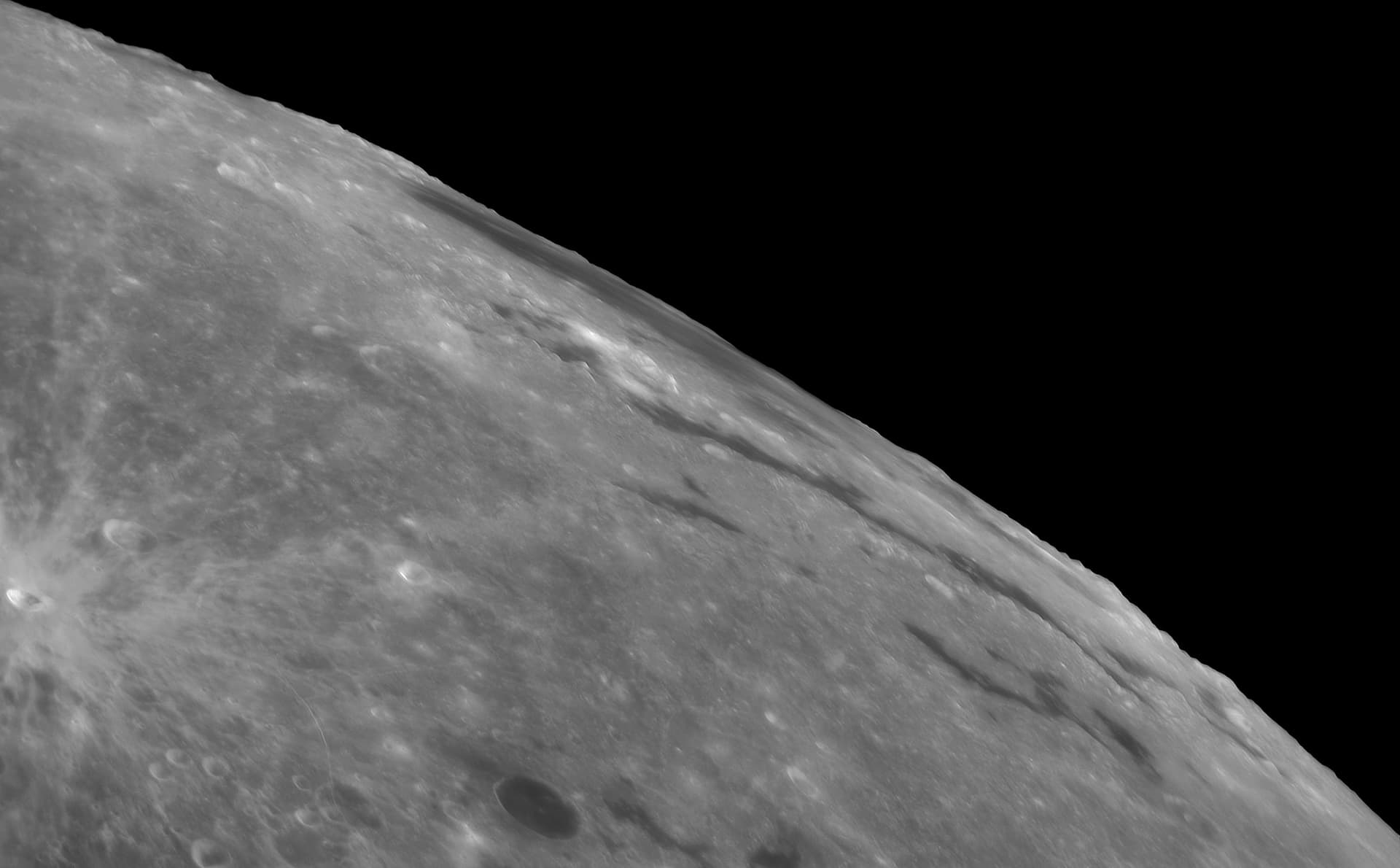
That partial flooding is part of what makes the basin so useful in the eyepiece and on the sensor. Britannica notes that Mare Orientale is only partially covered by mare lavas, which helps expose its basin structure and multi-ring ramparts. The result is a target that changes character with every favorable tilt and sun angle, giving high-frame-rate lunar imagers a reason to return with longer focal lengths, shorter focal lengths, and a better-timed run at the same patch of sky.
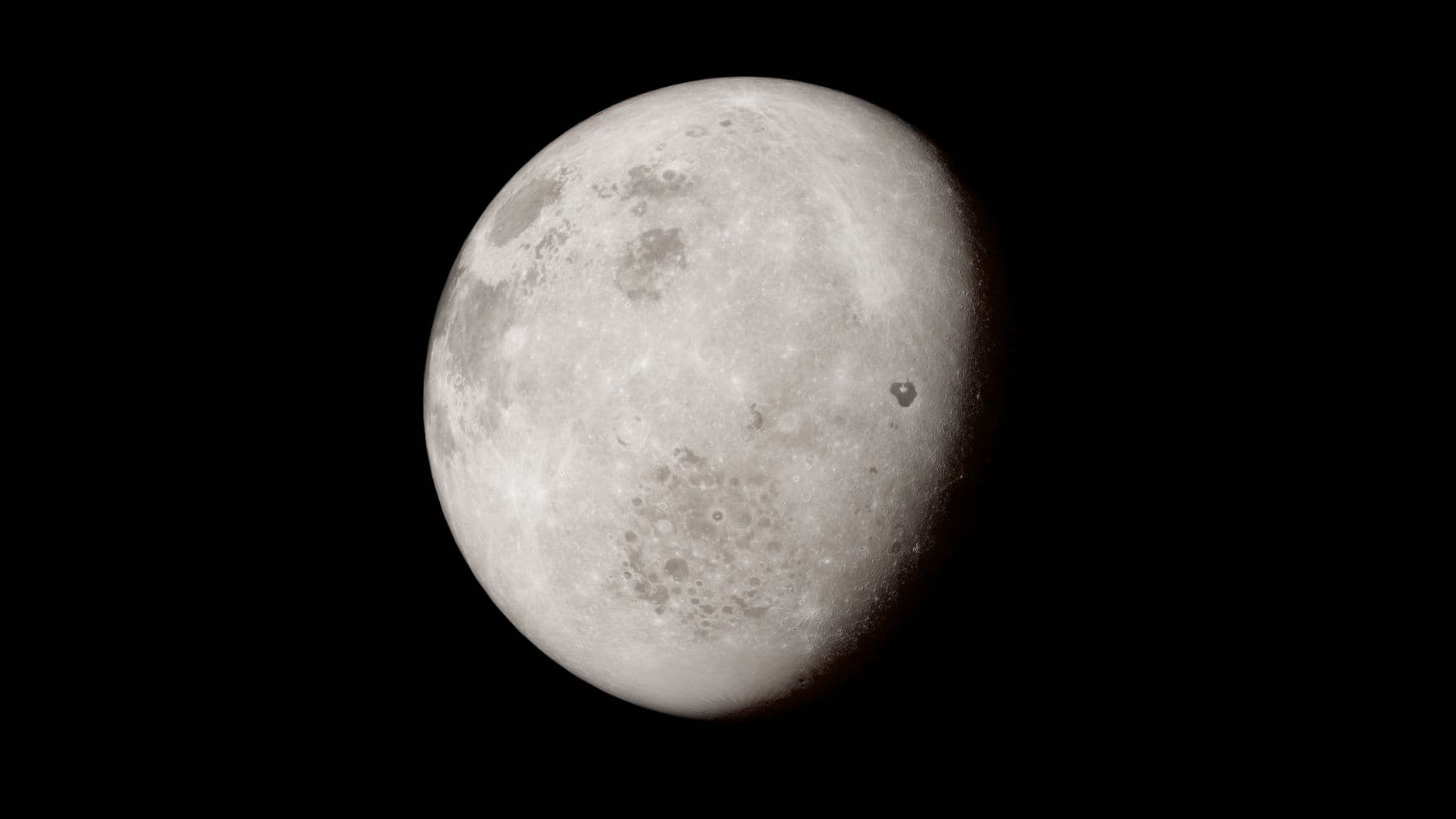
APOD has used Mare Orientale before to make the same point, with earlier entries in 1996, 2002, and 2011 revisiting the basin’s ringed structure and visibility problem. This week’s image carried that tradition forward by showing how quickly the Moon can go from a bright disc to a three-dimensional landscape when the geometry finally lines up.
This article was produced by Prism’s automated news system from verified source data, official records, and press releases, then run through automated quality and moderation checks before publishing. The system is built and supervised by the people who set the standards it runs under. Read our full AI policy.
Did this article answer your question?