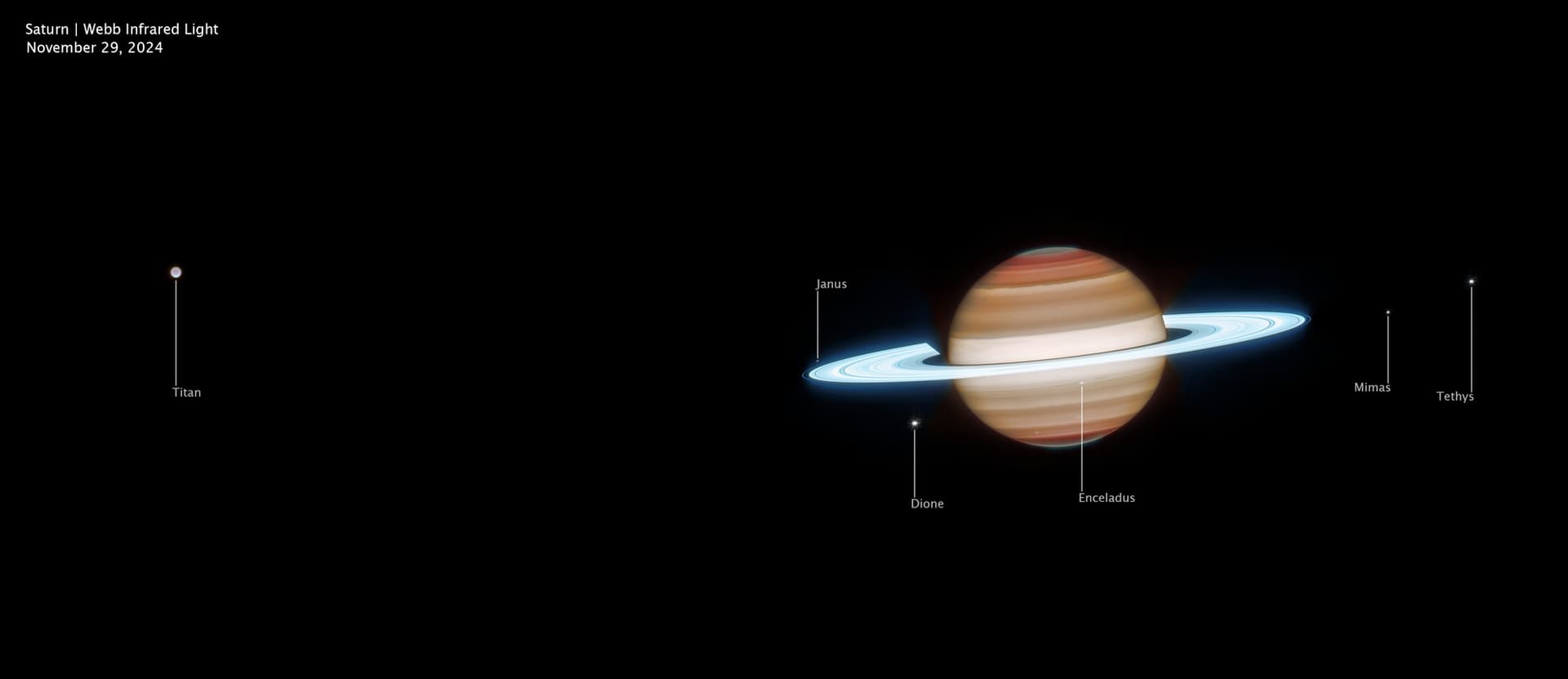
July deep-sky targets include NGC 6535 and VDB 123 in Serpens
Two Serpens targets do very different jobs in July: NGC 6535 is a clean globular for small scopes, while VDB 123 and V371 demand patience around EC 53.
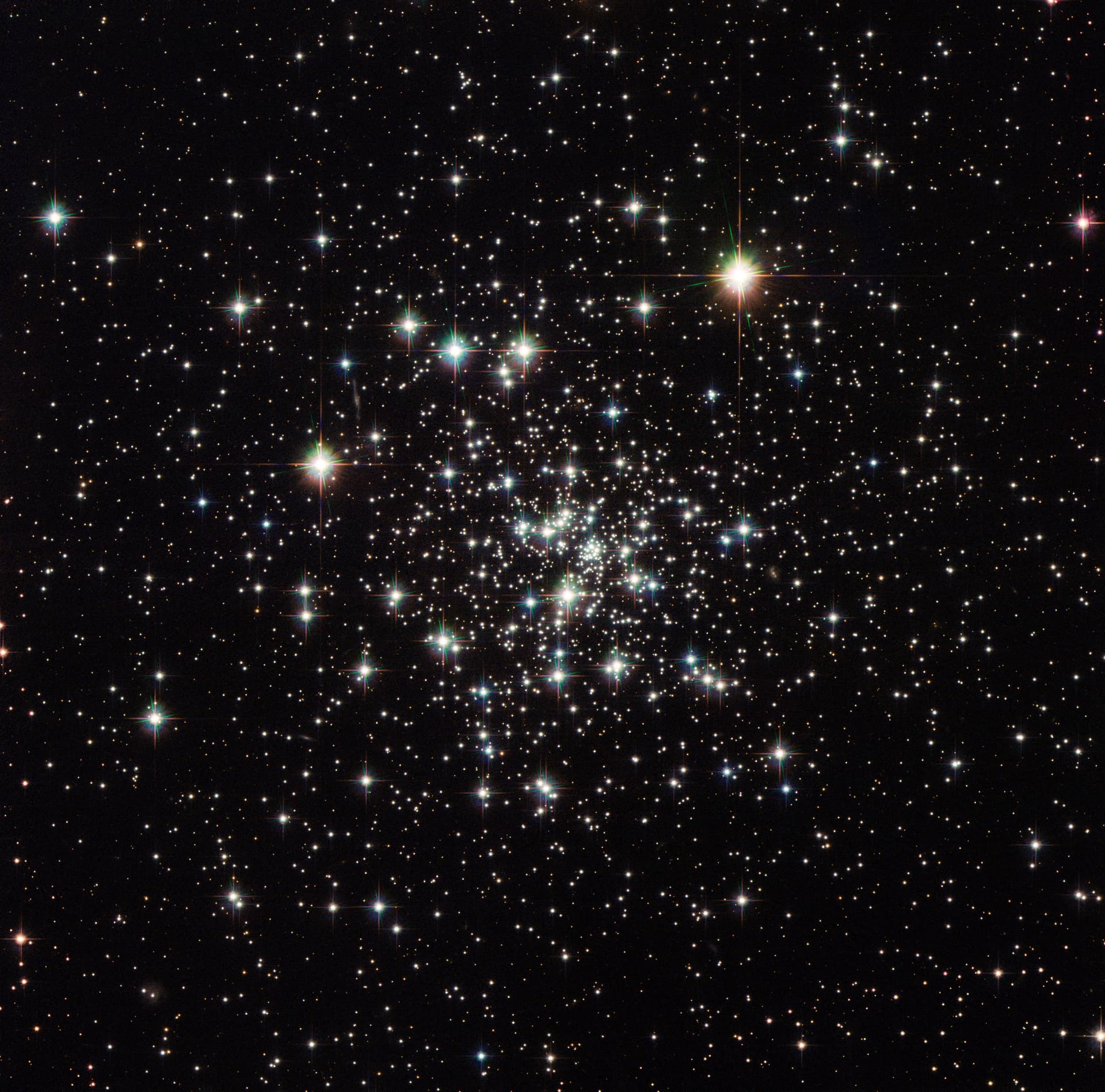
If you want July targets that fit a real observing session, not an all-night fantasy, Serpens gives you a sharp little shortlist. Keith Rivich’s challenge list splits the month cleanly by aperture: one object that settles nicely into a modest telescope, and one pair that asks for larger glass, careful framing, and a willingness to work a little harder for every hint of nebulosity.
NGC 6535: a globular cluster that stays friendly to small scopes
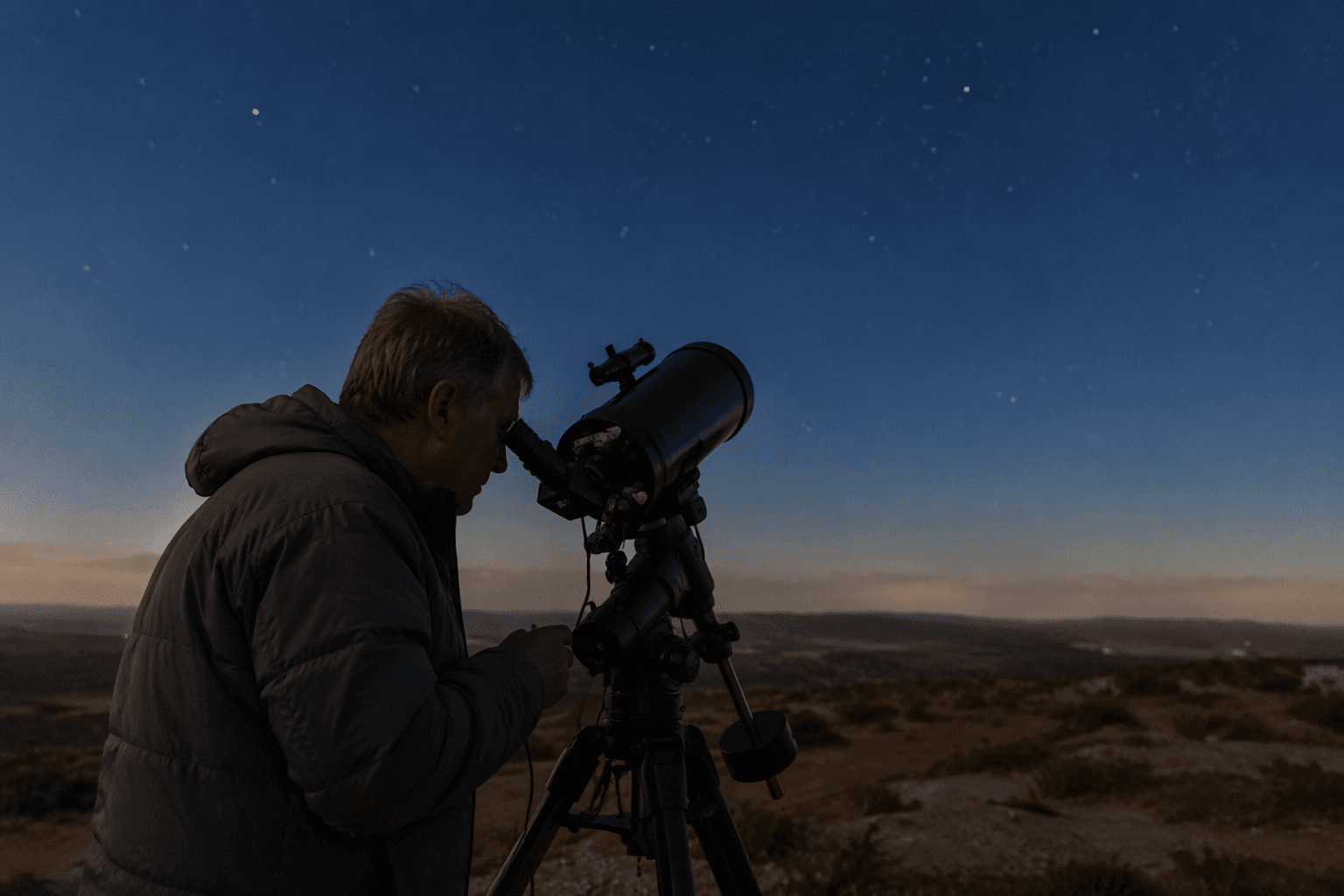
NGC 6535 is the kind of globular that looks unassuming on paper and turns into a useful summer test in the eyepiece. It sits in Serpens near the western edge of Ophiuchus, shines at about visual magnitude 9.85, and lies roughly 22,200 light-years away. Its metallicity is very low, around [Fe/H] -1.95, which marks it as an old, metal-poor cluster and gives the field a touch of historical depth as well as visual challenge.
What makes it practical is the way the surrounding star field behaves. The neighboring field stars mostly fall in the 13th to 15th magnitude range and fainter, so the cluster is not fighting a cluttered backdrop. That matters when you are trying to work with a modest telescope or a short imaging window, because the target has enough isolation to stand out without demanding a huge setup just to separate it from the field.
The cluster also comes with a tidy bit of observing history. One catalog source credits John Russell Hind with its discovery on April 26, 1852, which places NGC 6535 squarely in the long tradition of 19th-century sky surveying that still feeds modern observing lists. There is even a nearby galaxy, CGCG 28-4, also listed as PGC 61331, that Rivich notes for its surprisingly high surface brightness. If that brightness holds up visually, it may be within reach of 8-inch and larger apertures, turning one quiet globular field into a two-object session for anyone who likes to spend extra time teasing detail out of Serpens.
For astrophotography, that combination is useful in a very specific way. NGC 6535 is compact enough to reward longer focal lengths, but the clean field means you do not have to fight a busy background to make the cluster pop. It is a strong July target when you want something that feels substantial without becoming a marathon.
VDB 123 and V371: the larger-aperture challenge wrapped around EC 53
The more demanding July pairing lives in the same part of Serpens but asks for a very different kind of attention. VDB 123 is a faint reflection nebula associated with a trio of 9th-magnitude stars, and its brightest nebulosity sits to the northwest. Nearby is V371, a tiny clump of nebulosity Rivich estimates around magnitude 12.5 in its brightest section. These are not throwaway objects between showpieces; they are the sort of target that forces you to choose your framing carefully and then stay with the field long enough for the structure to emerge.
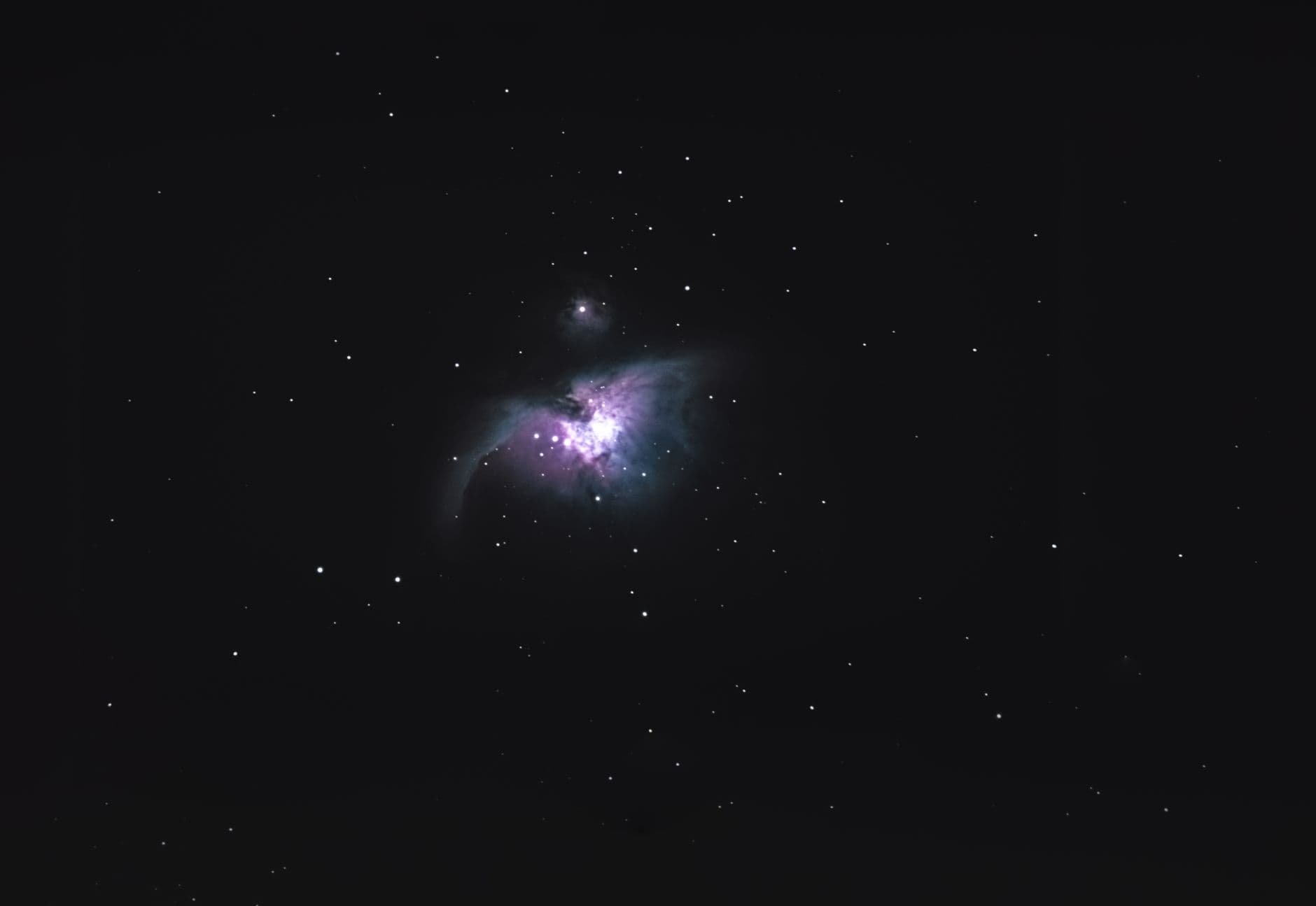
Both objects sit in the neighborhood of EC 53, the actively forming protostar in the Serpens Nebula. That matters because the field is not just visually delicate, it is scientifically active. Webb observations found crystalline silicates in the hot inner disk around EC 53 and tracked the system through quiet and burst phases, showing that dust processing is happening right in the engine room of a young stellar system. A 2026 paper describes EC 53 as a quasi-periodically variable Class I protostar, with a compact disk about 60 au in radius and burst phases on a cycle of roughly 18 months, each lasting around 100 days.
That context gives VDB 123 and V371 a different kind of pull for imagers. You are not just chasing faint blue haze; you are framing a young star-forming system embedded in the Serpens Molecular Cloud, itself part of the larger Aquila Rift complex. The cloud environment gives the field its texture, and the protostar gives it a reason to matter beyond the aesthetic. For wide-field work, the coordinates help keep the session honest too: VDB 123 sits near RA 18h 30m 23s, Dec +01° 13′ 41″, while V371, the EC 53 nebula, lies close by at RA 18h 29m 56s, Dec +01° 14′ 52″.
This is the kind of July target that rewards planning as much as exposure time. If NGC 6535 is the clean, efficient stop on the route through Serpens, VDB 123 and V371 are the patient detour, the field where careful star hopping, a larger aperture, or a well-placed wide frame can turn a faint patch of sky into something that feels almost alive.
This article was produced by Prism’s automated news system from verified source data, official records, and press releases, then run through automated quality and moderation checks before publishing. The system is built and supervised by the people who set the standards it runs under. Read our full AI policy.
Did this article answer your question?