Astrophotographer captures first Bortle 2 images after years of effort
The first five-minute frame under Class 2 skies made AGrayson’s years of gear-building feel worth it, with 31 exposures on M8 and M20 in one night.

The first five-minute exposure under Bortle 2 skies came from AGrayson’s finished rig. After years of effort, transport headaches and mounting anxiety, the first frames coming through marked the move from phone-on-eyepiece imaging to a fully assembled deep-sky rig.
The move to a Class 2 dark-sky site came after only about two weeks under truly dark skies, so the plan was conservative and deliberate: split the clear nights across multiple targets and try to get at least two hours on each one. On the first target, M8 and M20 in Sagittarius, AGrayson collected 31 five-minute exposures. Later that same night, the rig swung to M33, the Triangulum Galaxy, and gathered two and a half hours of data before dawn.
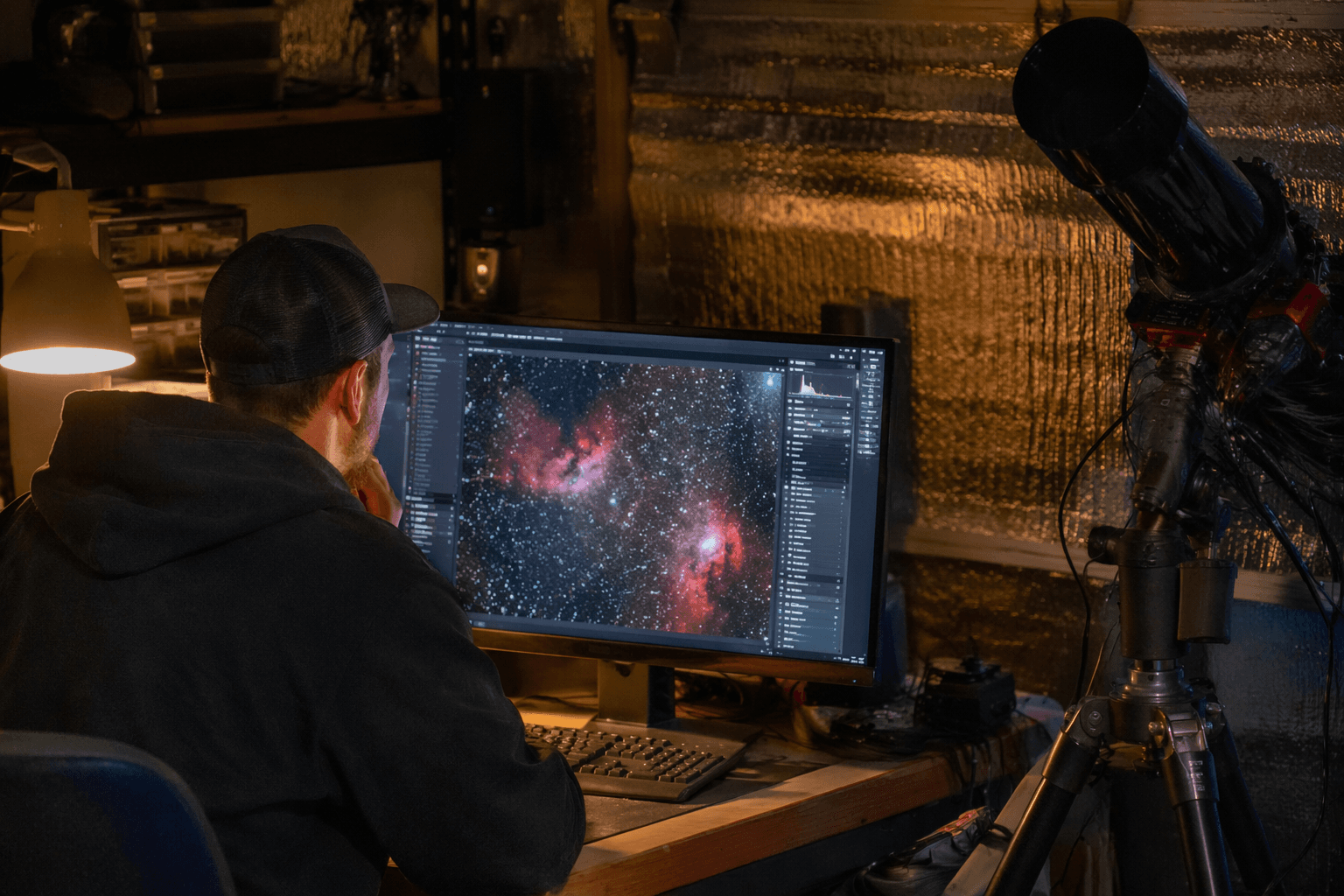
The next night brought one more chance to work under the same darkness. M16, the Eagle Nebula in Serpens, was the target, and the session ran until haze moved in around 2 a.m. Fatigue ended the run after 27 five-minute exposures. Processing was done in Siril, with a few light color adjustments in Lightroom.
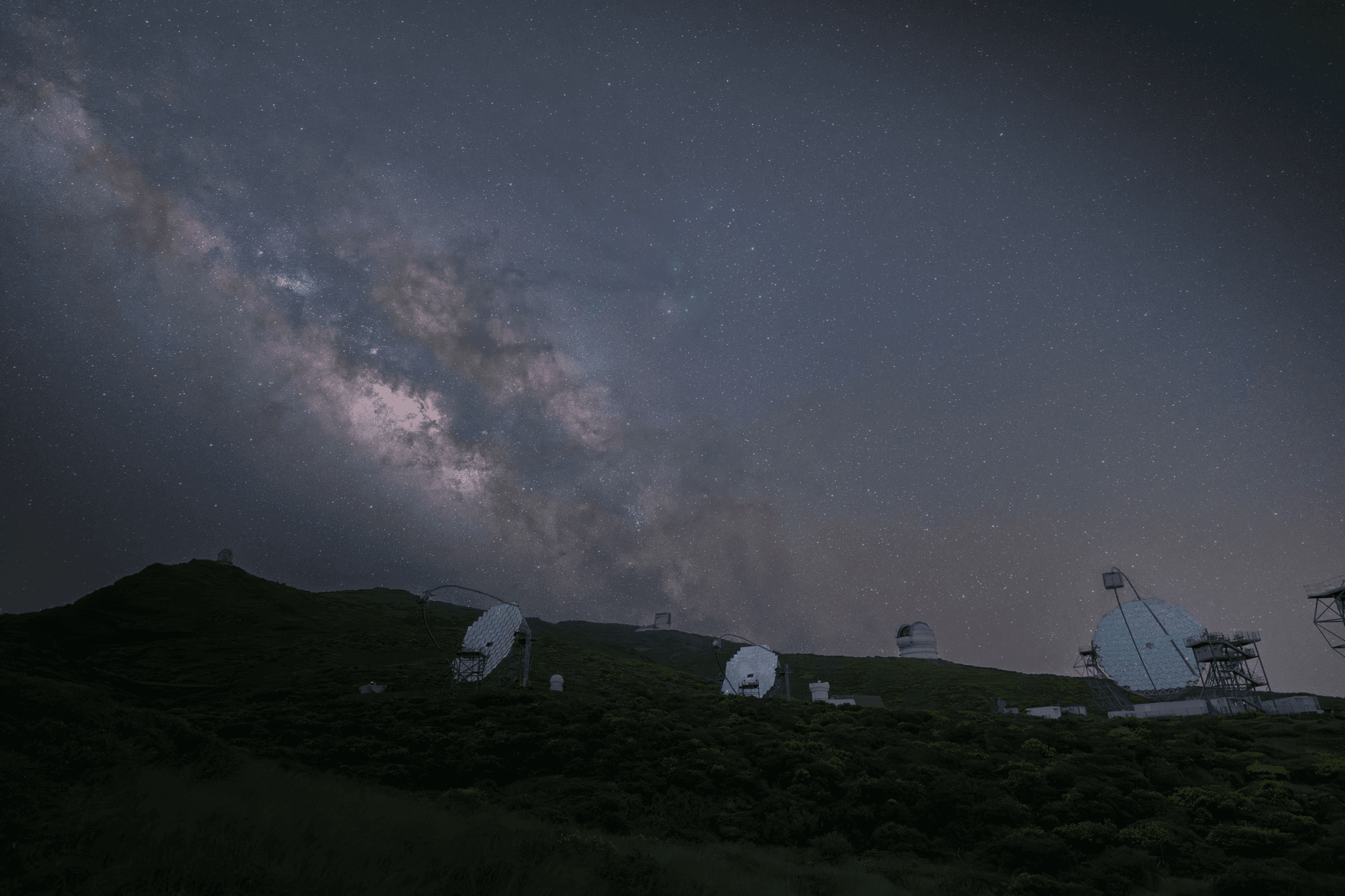
The Bortle scale, the nine-level system introduced by John E. Bortle and published in Sky & Telescope in 2001, places Class 2 in the realm of very dark rural skies. Under those conditions, diffuse objects such as nebulae and galaxies stand out because light pollution hits their low-surface-brightness structure much harder than it affects stars.
M8, the Lagoon Nebula, is a giant star-forming cloud about 4,000 to 5,200 light-years away, and M20, the Trifid Nebula, is another star-forming nebula in Sagittarius, discovered by Charles Messier in 1764 and about 5,000 light-years from Earth. M33 is one of the Local Group’s major galaxies, roughly 3 million light-years away, and M16 contains the Pillars of Creation.
This article was produced by Prism’s automated news system from verified source data, official records, and press releases, then run through automated quality and moderation checks before publishing. The system is built and supervised by the people who set the standards it runs under. Read our full AI policy.
Did this article answer your question?