AstroBin debate: one large observatory or several smaller ones
A single roll-off roof can be cheaper per rig, but smaller observatories buy you isolation, easier growth, and less ruin if one roof fails.
On AstroBin, Blake Biffen posed a blunt observatory-planning choice: one large roll-off roof with 20 to 30 telescope positions, or several smaller buildings with fewer rigs each. The choice is not just about square footage. It shapes cost per rig, wind survival, maintenance downtime, thermal behavior, and how badly one failure can disrupt the whole site.
The real question is how you image, not just how much space you need
DFM Engineering warns that too many observatories are designed without considering the telescope’s actual use. That matters because a site built for student nights, research use, or public nights has different traffic, control, and safety needs than a private imaging rig tucked behind the house. Once you move into remote or shared operation, the observatory stops being a shed and starts behaving like a small facility.
The large-building approach promises lower cost per telescope, while the smaller-building approach reduces the blast radius if a roof problem appears and gives you more freedom to expand later.
Why one big building is so appealing
The efficiency case for a large observatory is easy to understand. One foundation, one roof system, one control setup, one weatherproof shell, and potentially a lower cost per imaging position all push in the same direction. That can matter a lot if you are planning a hosted dark-sky site, a club facility, or a long-term multi-rig operation where capital costs need to be spread across many users or instruments.
A 2026 observatory build south of Rochester, New York, shows how a single structure can still support serious separation inside the building. That observatory uses a 16-by-20-foot roll-off roof with four custom steel telescope piers, each on its own foundation. That kind of layout gives you the efficiency of one enclosure while still reducing vibration transfer between rigs. It is a strong example of how a large building can be designed for multiple imagers without forcing all of them onto the same structural base.
But scale comes with its own operational discipline. In a Cloudy Nights discussion about controlling multiple telescopes in one roll-off-roof observatory, users stressed that both mounts must be parked safely before the roof can close. The same discussion raised a familiar worry in multi-rig systems: what happens if one software instance hangs or crashes at the wrong moment? In a single large building, one bad control state can hold up everyone else.
Where smaller observatories win
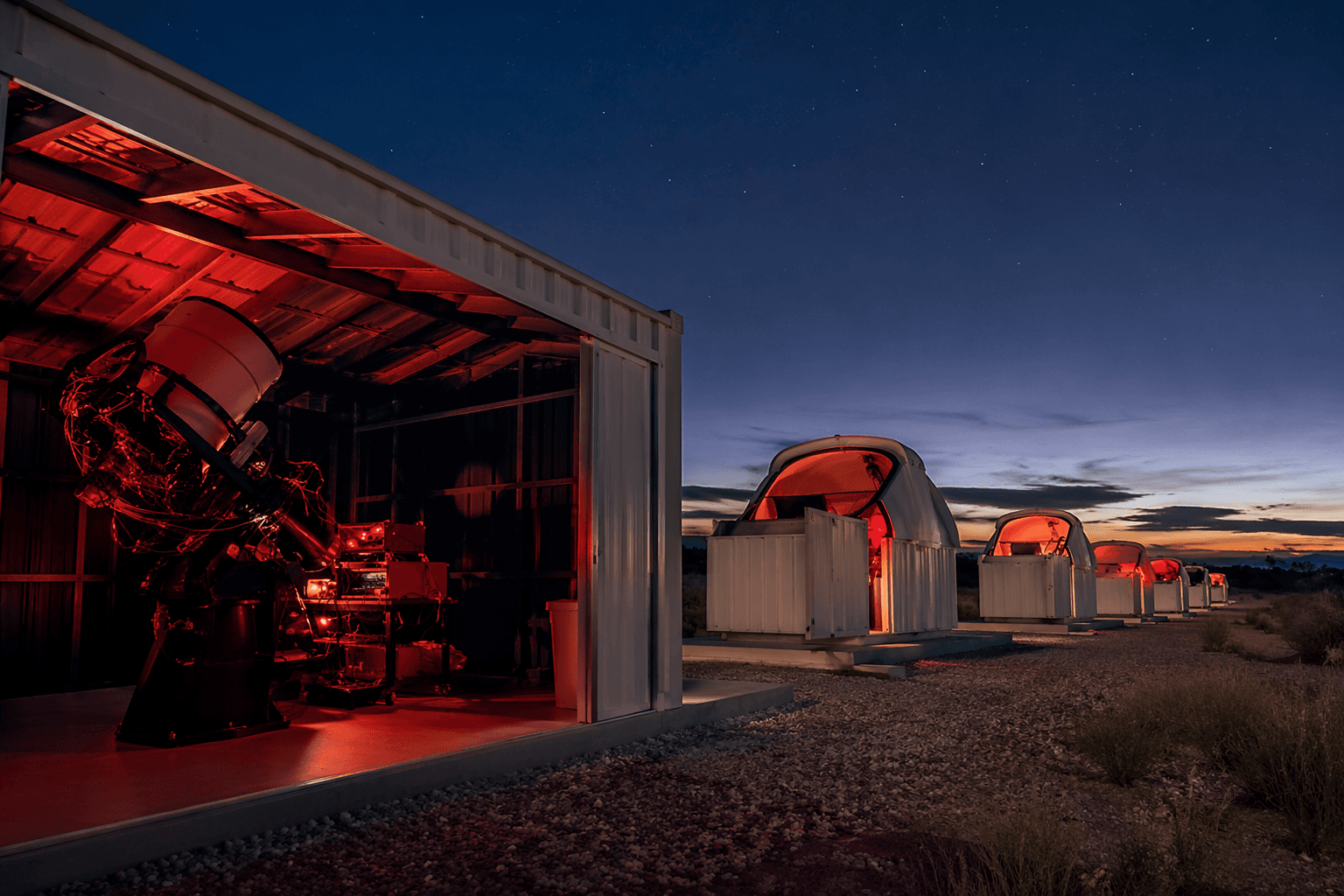
Several smaller buildings are attractive for the same reason many imagers prefer redundant power or backup storage: failure isolation. If one roof sticks, one mount dies, or one enclosure needs service, the rest of the site can keep working. That matters most when you are imaging remotely and nobody is on site to nudge a cable, clear an obstruction, or intervene before the weather turns.
Remote observatory operation is fundamentally different from backyard use because reliability and fail-safes matter more when nobody is there. One user described securing a remote roll-off roof with full-length angle-iron retainers so wind could not lift the roof off the walls. That kind of detail captures the logic behind multiple smaller buildings: each structure is simpler to secure, simpler to automate, and less exposed if a single mechanism misbehaves.
The smaller-buildings approach also helps with thermal management. A compact enclosure with one or two rigs is easier to cool down, easier to vent, and less likely to trap heat from multiple computers, power supplies, and bodies moving around inside. For imagers chasing stable first-light conditions and repeatable focus, that can matter as much as the roof itself. A cluster of smaller observatories can also be staged so each one has only the thermal load it actually needs, instead of one giant envelope trying to manage everything at once.
Wind, maintenance, and downtime change the math
Wind is one of the clearest places where the tradeoff becomes concrete. A big roof concentrates more moving mass, more surface area, and more failure modes in one place. If the roof mechanism needs service, the whole observatory may go offline together. In contrast, separate buildings create more points of maintenance, but they also confine trouble to one unit at a time.
The maintenance question is not just about repair cost. It is about how long your imaging queue sits idle while one mechanical issue is fixed. If you run a single large observatory with 20 to 30 positions, a single roof problem can sideline a lot of hardware in one shot. With several smaller buildings, the same problem may only affect one subset of rigs, which is a much more forgiving outcome for a site that expects near-continuous use.
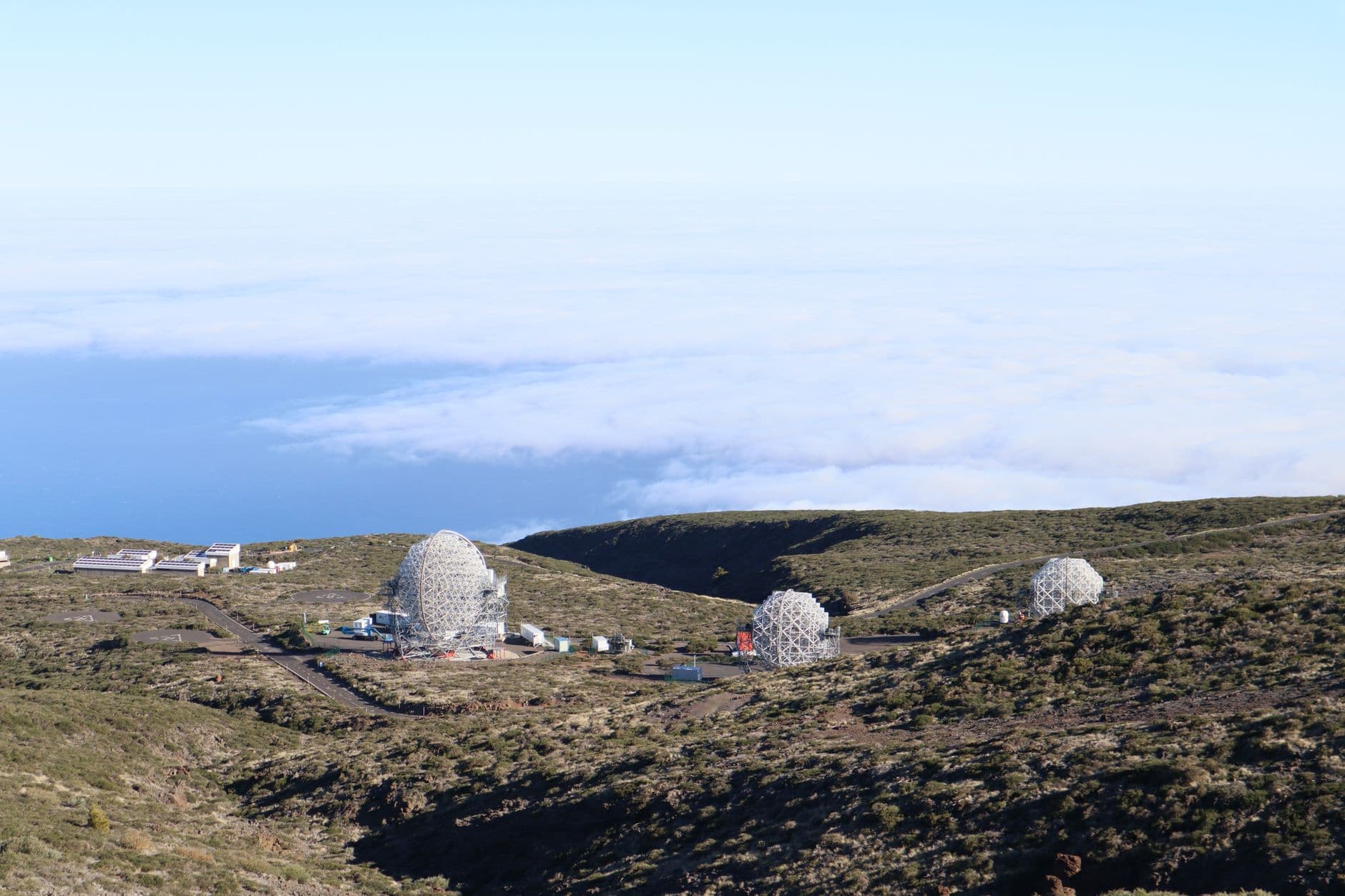
The best structure size depends on operating style. A group that wants maximum uptime for multiple users may prefer several compact enclosures and distributed risk. A builder focused on initial budget efficiency, simplified site infrastructure, and dense rig placement may accept the larger building’s concentration of risk in exchange for better cost per telescope.
Expansion plans are part of the first design decision
Smaller buildings make future expansion easier. If you expect the site to grow from a few rigs into a larger remote facility, separate structures let you add capacity incrementally. You are not forced to overbuild from day one, and you can time new construction to match new equipment or new users.
Observatory Systems points to the same reality: site size should follow the intended workflow, whether the project is an intimate personal installation or a fully automated research-class system. A solo imager and a research-style installation do not need the same balance of automation, redundancy, and structural complexity.
Springer describes the roll-off-roof observatory as the simplest and by far the most popular design for practical astronomers. That simplicity does not require a single large structure. A compact, well-isolated set of smaller roll-off roofs can be simpler to operate over time than one large, highly integrated structure if your real priority is resilience.
How to map the choice to your own imaging
If your imaging is concentrated in one setup, with one mount, one optical train, and one control stack, a smaller building often wins on clarity and reliability. If you are building a shared site with several telescopes that need to run together, a larger structure with isolated piers may be the better blend of efficiency and coordination. The 16-by-20-foot Rochester build shows that a single building can be engineered to keep rigs separate; the Cloudy Nights examples show why automation and roof safety still need to be treated as first-order design issues.
This article was produced by Prism’s automated news system from verified source data, official records, and press releases, then run through automated quality and moderation checks before publishing. The system is built and supervised by the people who set the standards it runs under. Read our full AI policy.
Did this article answer your question?