Astrophotographers weigh hosted dark skies against hands-on control at home
Remote observatories promise Bortle 1 skies and more clear nights, but the real tradeoff is whether you want data access or hands-on control.
ScottF, who images from southern Ontario, has spent the last nine months fighting work, family commitments, and what he describes as constant cloud cover. The hardest part of remote imaging is deciding whether giving up the scope at home is a fair price for Bortle 1 darkness, more clear nights, and a rig that can keep collecting data when work and family have already eaten the evening.
The appeal starts with time under the stars
ScottF says a hosted site such as Starfront Observatories would mean far darker skies and far more usable nights than he gets at home. For him, remote hosting is not a luxury upgrade. It is a way to keep imaging at all.
That is exactly why remote imaging keeps spreading through the hobby. Light pollution makes faint deep-sky work much harder, and even under dark skies filters still have a role in reducing natural airglow. The difference shows up in the quality of the data you bring home, especially when you are trying to stretch limited clear hours into a usable stack.
What the hosted observatory pitch really sells
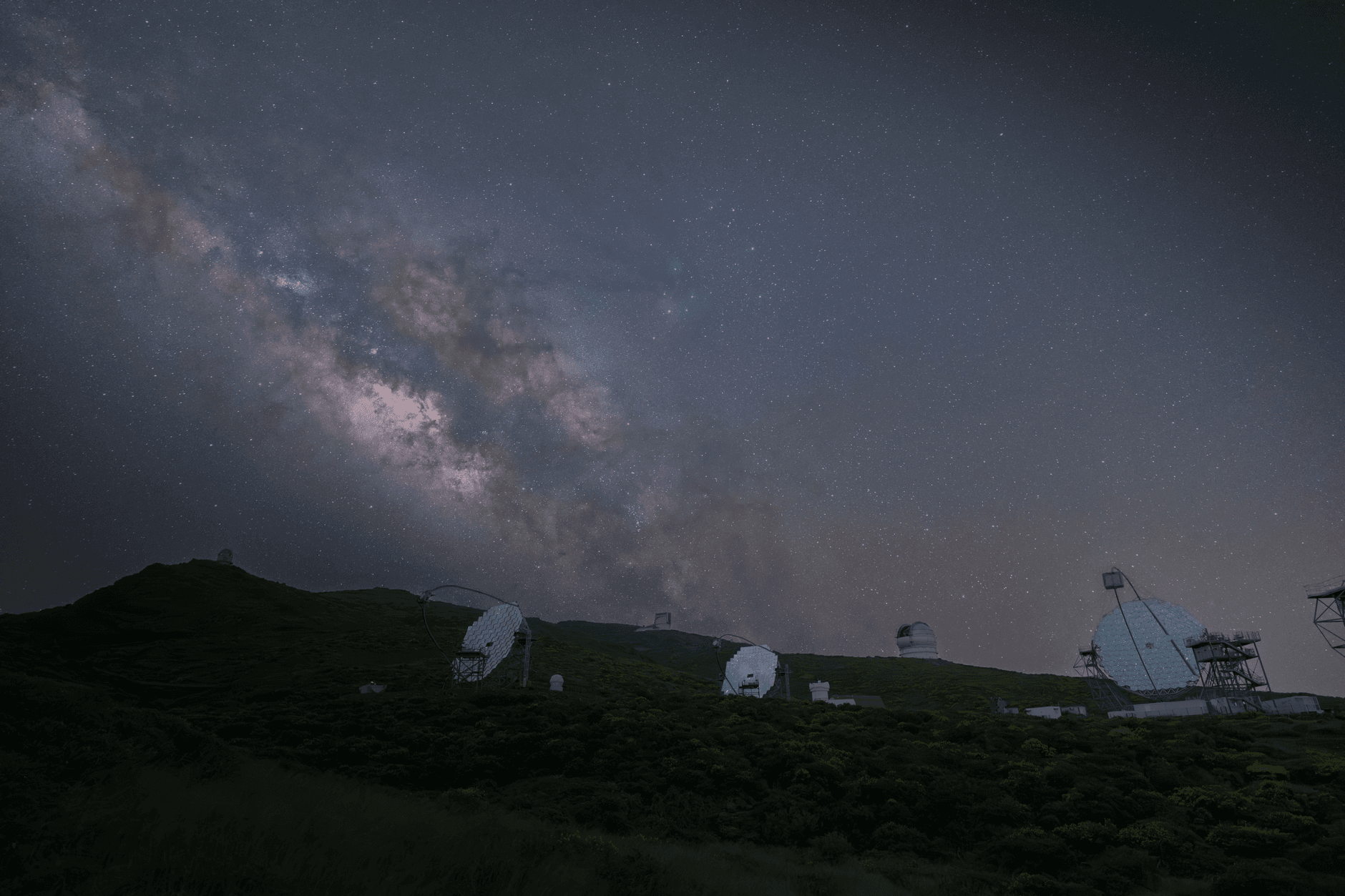
The remote-hosting market has learned to package that promise in concrete numbers. AstroPeak Observatory advertises 5,000-foot elevation, Bortle 1 skies, 1 Gbps fiber, and 260 to 300 imageable nights per year. Dark Sky Hosting in La Palma advertises Bortle 1 conditions, about 1 arcsecond seeing, and 311-plus clear nights per year. DSP Remote advertises Bortle 1 skies, 286 clear nights, and same-day technical support.
Those figures are marketing claims, but they show what the hosted-observatory model is built around: convenience plus consistently better sky access. Starfront’s AstroBin-facing pitch centers on the two biggest obstacles at once, location and price.
The hidden cost is control
The harder question is what you lose when the telescope is no longer within reach. Remote imaging turns weather protection, shutdown behavior, power management, maintenance visits, and troubleshooting into part of the hobby. You are no longer walking outside to re-seat a cable or tweak a polar alignment by hand. You are managing a system at a distance, and that changes the relationship to the gear.
ScottF is not just asking whether the images will be better. He wants to know what can go wrong, whether people would make the same choice again, and how much day-to-day control they are willing to surrender.
The software stack matters as much as the sky
A remote rig can be run with either an ASIAIR or a mini-PC. That sounds basic, but it opens the whole compatibility question that remote users run into fast. In a separate AstroBin discussion on remote imaging and mini-PC use, users say many remote sites want calibration frames preprocessed on the site PC so users do not have to download hundreds of files later. Bandwidth, storage, and workflow all become part of the planning.
On ZWO’s user forum, remote ASIAIR users describe connecting over VPN, often with an Ethernet link back to the unit, but they also report a frustrating quirk: ASIAIR can pick up the GPS coordinates, date, and time from the local tablet instead of the remote observatory, forcing manual correction before each session. That is a tiny failure mode on paper and a big one in practice, because it can waste the very clear window you moved the rig to secure.
Flat frames and daytime protection are not afterthoughts
ScottF’s question about a flat panel or similar cover points to another part of the remote workflow. ZWO users have discussed the lack of native support for many third-party motorized flat panels, which means remote flat-frame automation often depends on workarounds or outside control. A hosted scope needs more than a dark sky. It needs a way to come safely offline during the day and still return with a calibration set that does not depend on someone being physically present.
The AstroBin thread also references a Deep Sky Dad flat panel and the possibility of sharing access on a fee basis.
Who remote imaging serves best
Remote hosting is not for one kind of astrophotographer. It tends to serve three very different identities, and the best fit depends on which one feels most like you.
- The data maximizer wants the best signal-to-noise possible, with the fewest lost nights. Hosted dark skies, better weather, and managed infrastructure are the point.
- The busy professional wants the rig to keep working while life gets in the way. If the calendar is the enemy, a remote pier can turn short windows into real progress.
- The gear-on-the-pier enthusiast still values hands-on experimentation, local observing, and the satisfaction of solving problems at the telescope. For that person, remote hosting may feel like outsourcing the fun.
This article was produced by Prism’s automated news system from verified source data, official records, and press releases, then run through automated quality and moderation checks before publishing. The system is built and supervised by the people who set the standards it runs under. Read our full AI policy.
Did this article answer your question?