Chuck's Astrophotography reveals comet 10P/Tempel's centuries-old dust trail
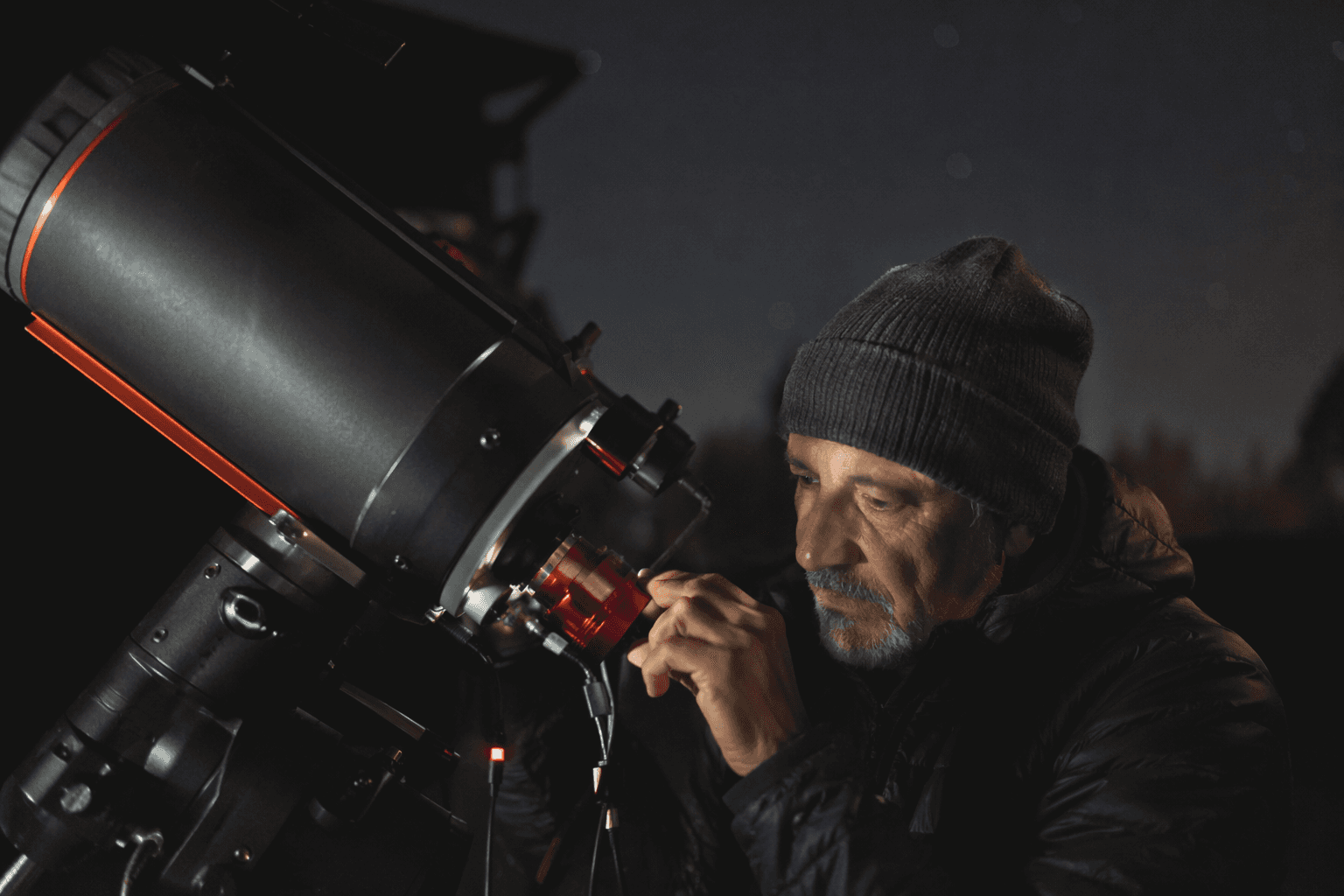
Chuck Ayoub’s new 10P/Tempel image pulled out a centuries-old orbital dust trail, using a Celestron RASA and ZWO ASI533MC to reveal material shed over hundreds of years.

Chuck Ayoub turned a fresh frame of Comet 10P/Tempel into something far rarer than a clean comet portrait: a visible orbital dust trail built from particles released over hundreds of years. The image from Chuck's Astrophotography was made with a Celestron RASA telescope and a ZWO ASI533MC color camera, a combination that pushed the shot beyond a simple bright-comet capture and into the territory where faint, extended structure can finally separate from the comet’s core.
10P/Tempel, also known as Tempel 2, is a Jupiter-family comet first discovered by Wilhelm Tempel on July 4, 1873. It measures roughly 10 to 10.6 kilometers across and circles the Sun on an orbit of about 5.36 to 5.4 years. In this apparition, perihelion is expected on August 2, 2026, making the current return a timely target for imagers chasing both the comet itself and the material strung along its path.
The science behind the shot matters as much as the aesthetic result. NASA describes comet dust trails as streams of grains released along a comet’s orbit, and that is exactly what Ayoub’s image makes visible here. In 1983, infrared observations from NASA’s Infrared Astronomical Satellite identified Tempel 2’s dust trail as one of the first found in IRAS imagery, a milestone that helped show how common these orbital debris lanes can be. For astrophotographers, that history is part of the appeal: the right data, the right processing, and enough time on target can reveal structure that is otherwise buried in the noise.
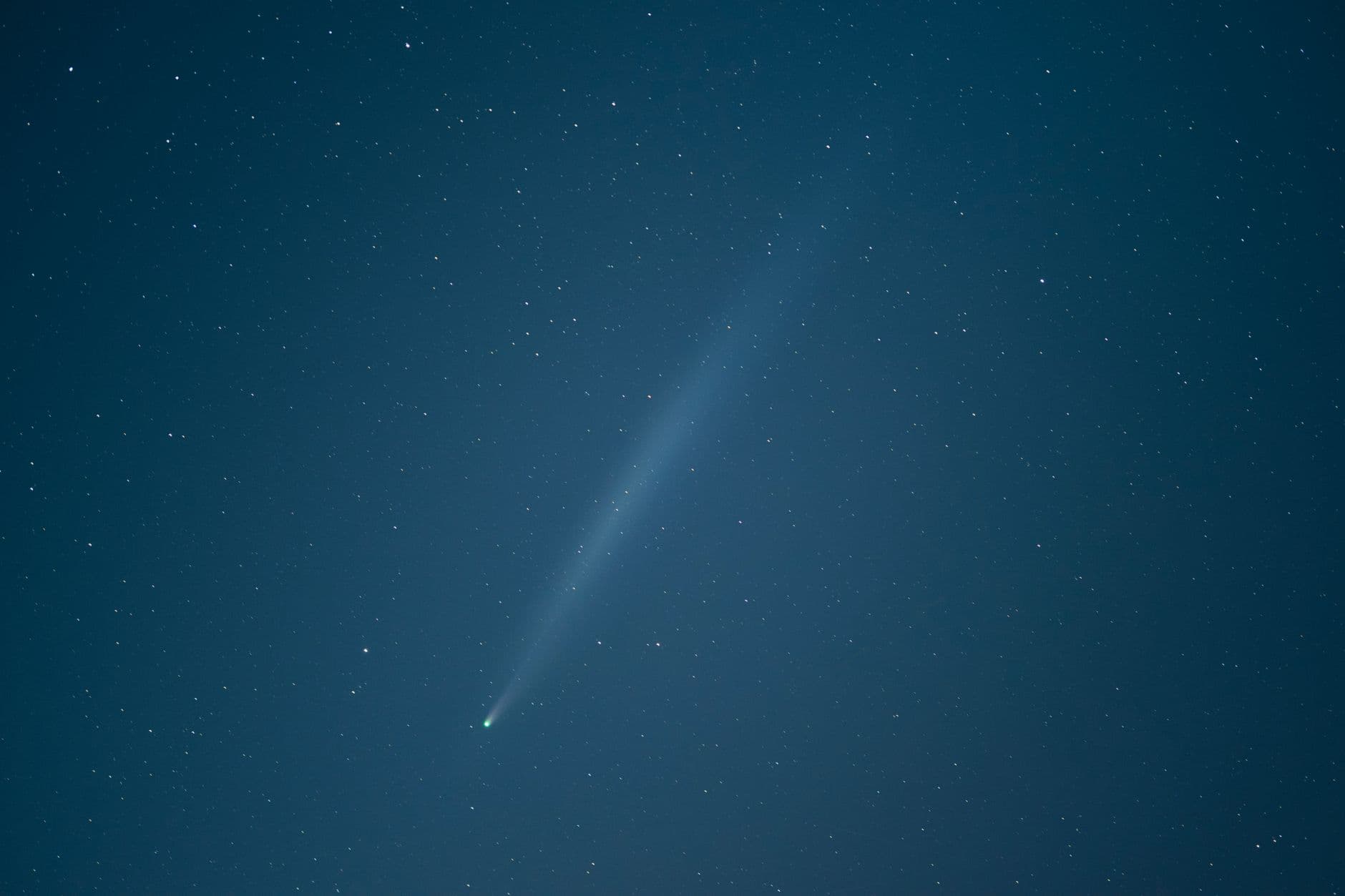
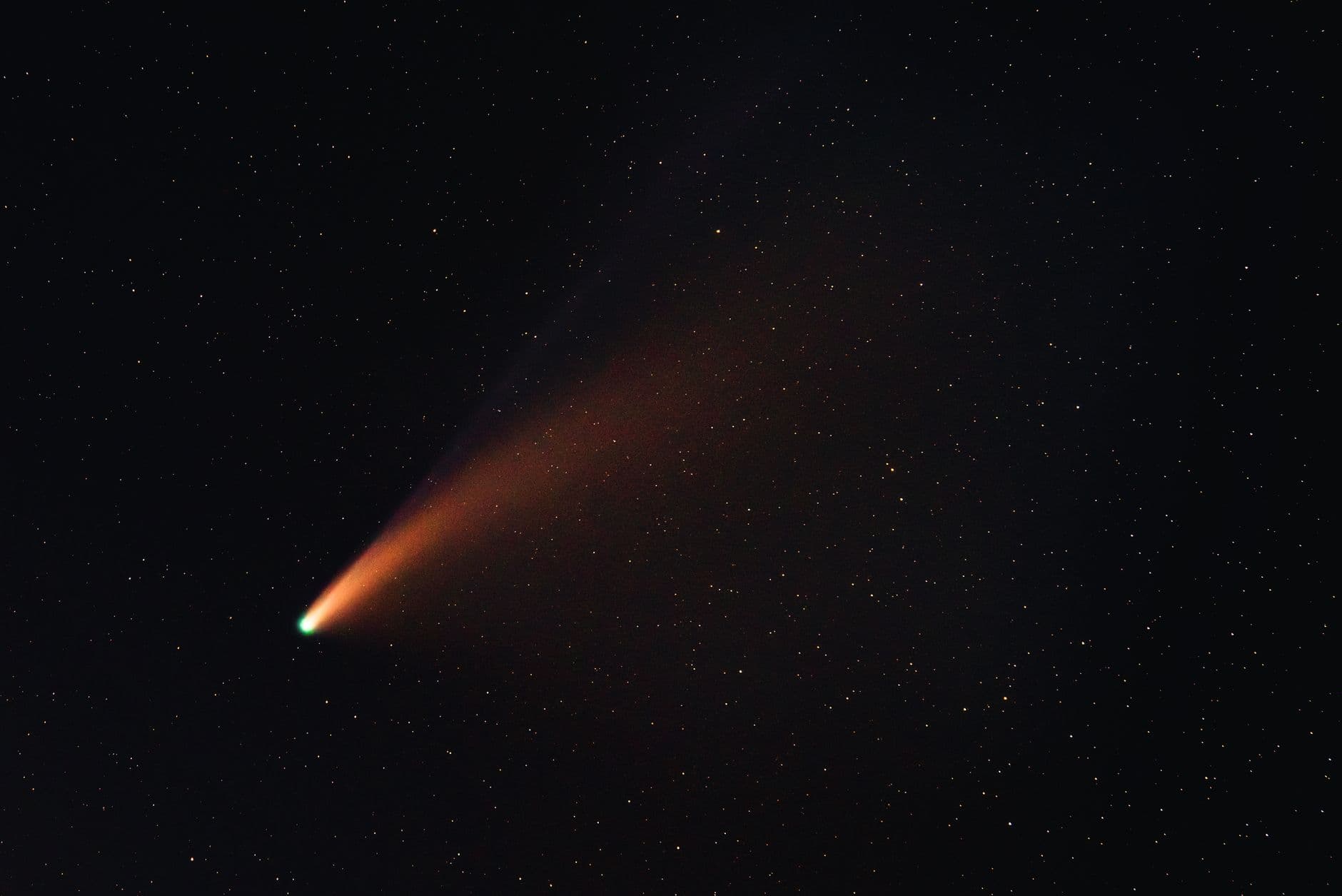
The broader comet family has long supplied major science returns. NASA’s Deep Impact mission sent an impactor into the path of Tempel 1 on July 4, 2005, becoming the first mission to probe beneath a comet’s surface and showing the body was dustier and less icy than expected. Tempel 2 now adds a different kind of payoff, one that sits in plain sight when the image is deep enough. Ayoub put it directly in his post: “We can actually see the orbital dust trail, with particles ejected from the comet over hundreds of years.” That is the kind of result that makes a difficult capture worth the hours behind the setup.
This article was produced by Prism’s automated news system from verified source data, official records, and press releases, then run through automated quality and moderation checks before publishing. The system is built and supervised by the people who set the standards it runs under. Read our full AI policy.
Did this article answer your question?