Cloudy Nights Goofi challenge opens on Sharpless 2-115 target
Cloudy Nights sent July’s Goofi imaging challenge to Sharpless 2-115, with one-image submissions, no general chat in-thread, and a random-draw winner.
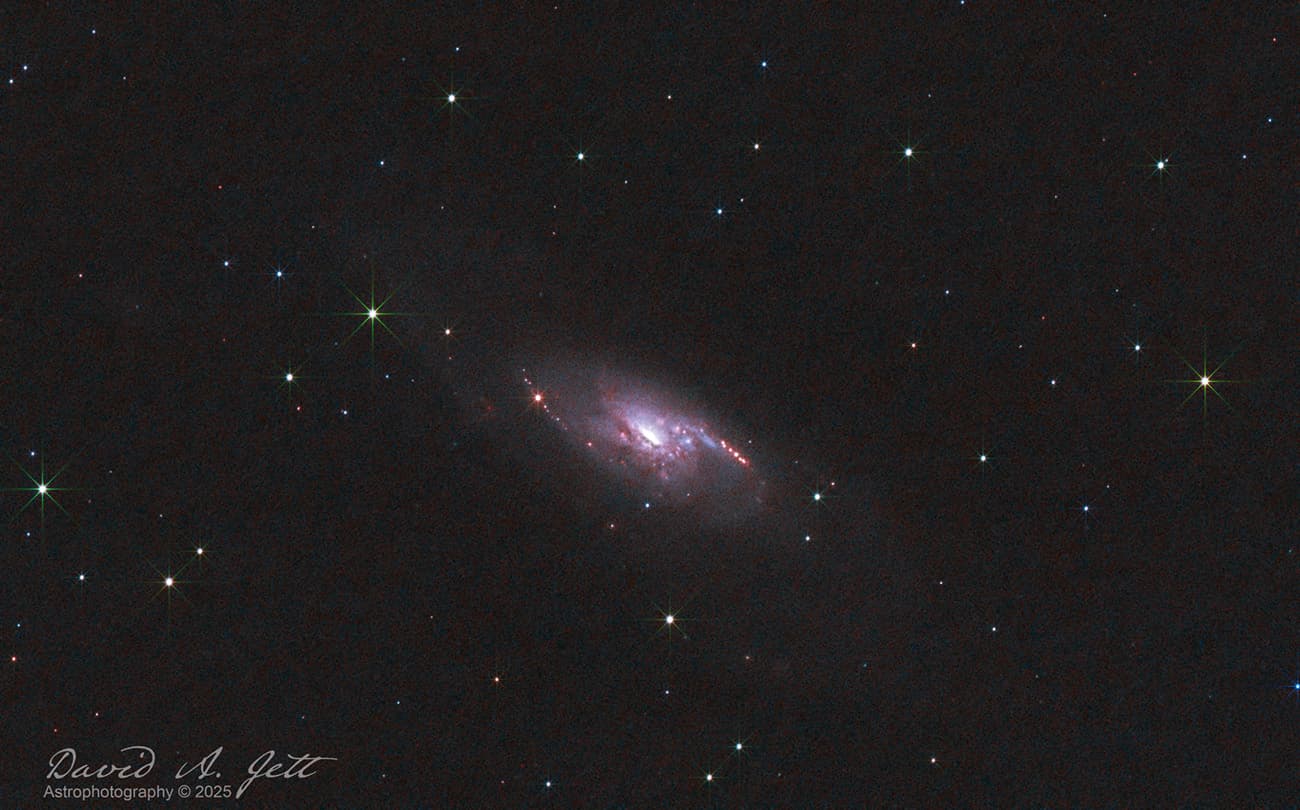
Cloudy Nights opened July’s Goofi imaging challenge on Sharpless 2-115 and kept the submission thread tightly controlled: final images only, one entry per member, with each post listing equipment, data captured this season, and processing details. General discussion stayed out of the main thread and moved to a companion space for questions, target-location help, preliminary images, and processing feedback.
That structure mattered as much as the target itself. The winner was chosen by random drawing rather than by judging, a setup that lowered the pressure to bring a perfect image and made room for members trying a new nebula for the first time. The organizer set the deadline at midnight Pacific time on July 31, with the winner to be announced after August 1. If the winner did not respond within three days, the moderators would move on to the next target and keep the monthly cycle rolling.
Sharpless 2-115 gave the challenge a target with real depth behind the forum exercise. The object is an emission nebula and H II region in Cygnus, catalogued by Stewart Sharpless in 1959. It sits roughly 2 to 2.5 degrees northwest of Deneb and is placed by sources at about 3,000 parsecs, or roughly 7,500 light-years away. It is also known as LBN 357 and 3C 416.1.
The nebula is linked to Berkeley 90, a sparse young open cluster described in research as immersed in Sh 2-115. The region’s ionization is tied to very massive O-type stars in that cluster, including LS III +46 11 and LS III +46 12. For imagers, that makes the field more than a pretty glow: it is a star-forming complex whose structure rewards narrowband work, careful background control, and patient processing.
The July thread also fit into a pattern Cloudy Nights has used before. A similar Sh2-115 challenge ran in 2023, with a companion techniques-and-progress discussion that showed how one monthly object can pull out a dozen different approaches to the same nebula. That is where the challenge finds its value: not in crowning the most polished frame, but in giving the community a shared target, a shared deadline, and a shared archive of attempts that make the next round better.
This article was produced by Prism’s automated news system from verified source data, official records, and press releases, then run through automated quality and moderation checks before publishing. The system is built and supervised by the people who set the standards it runs under. Read our full AI policy.
Did this article answer your question?