Nighttime camera catches bright meteor beside the Milky Way
A camera left running overnight caught a bright meteor beside the Milky Way, and EricTheCat estimated it near magnitude -3 after comparing it with Venus.
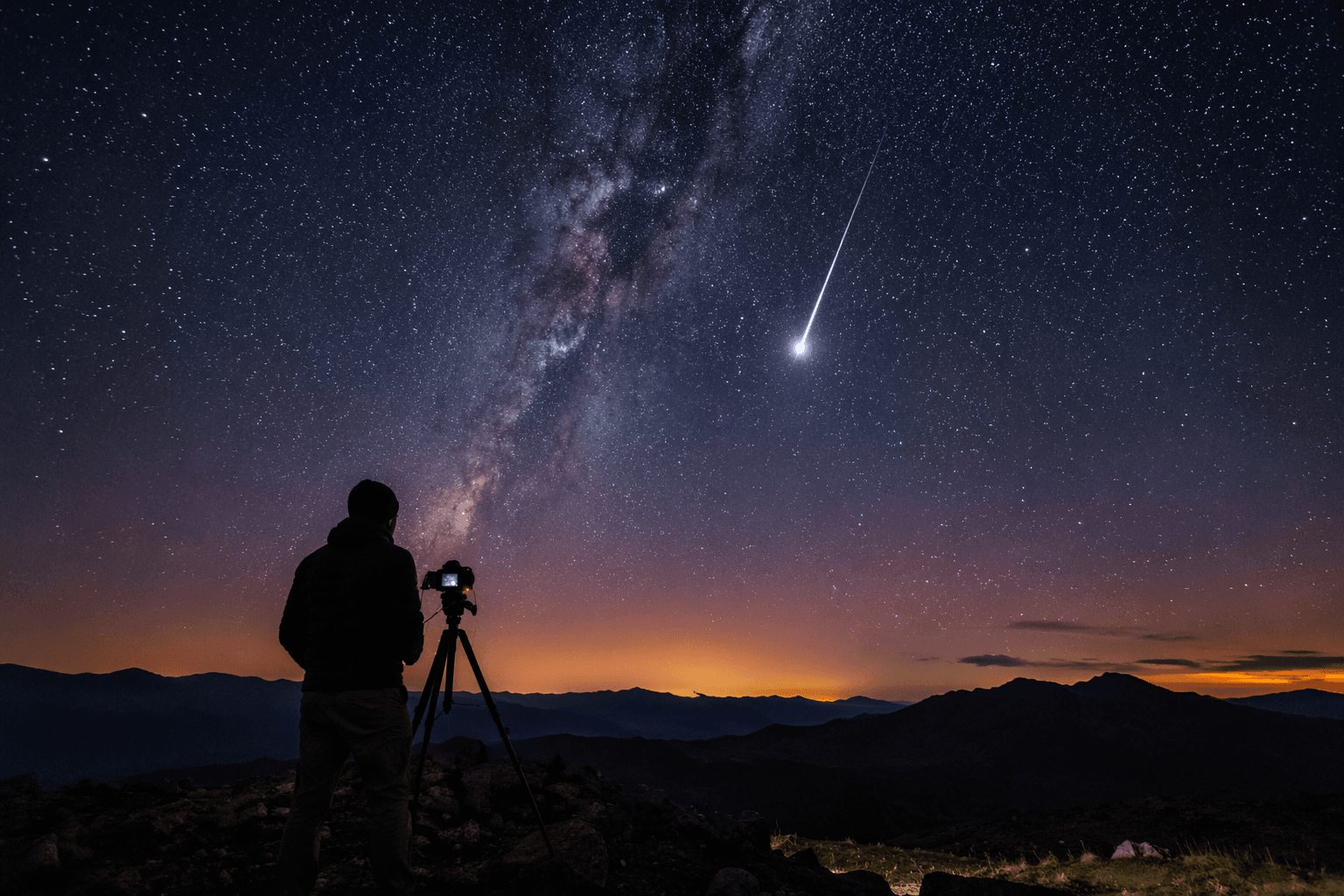
A camera left running overnight caught a bright meteor beside the Milky Way, giving EricTheCat both a still image and a video clip on the morning of July 15. The capture worked because the rig was already pointed at the right patch of sky when the meteor arrived, a reminder that wide-field success is often built on preparation, not reflexes.
EricTheCat said cameras frequently run all night in hopes of catching a meteor, and this time the payoff was a particularly clean strike. The meteor was estimated at about magnitude -3 after comparing it with earlier Venus frames, which puts it right at the edge of the fireball conversation. NASA defines a fireball as an unusually bright meteor that reaches visual magnitude -3 or brighter at the observer’s zenith, while the American Meteor Society generally uses a brighter-than-minus-4 threshold and notes that Venus sits in that neighborhood. The estimate makes the event a strong amateur photometry exercise as much as a striking sky image.
The gear and settings were classic wide-field fare: a modified Canon Rebel T8i, a Sigma 24 mm f/1.4 Art lens, a six-second exposure at f/1.4 and ISO 3200. The final frame was processed in PixInsight and NoiseXterminator, a workflow that has become common for astrophotographers who want to clean up difficult single exposures without losing the look of a real night scene. Instead of presenting the meteor as a lone streak, the composition places it beside the Milky Way, turning a brief flash into part of a broader celestial landscape.
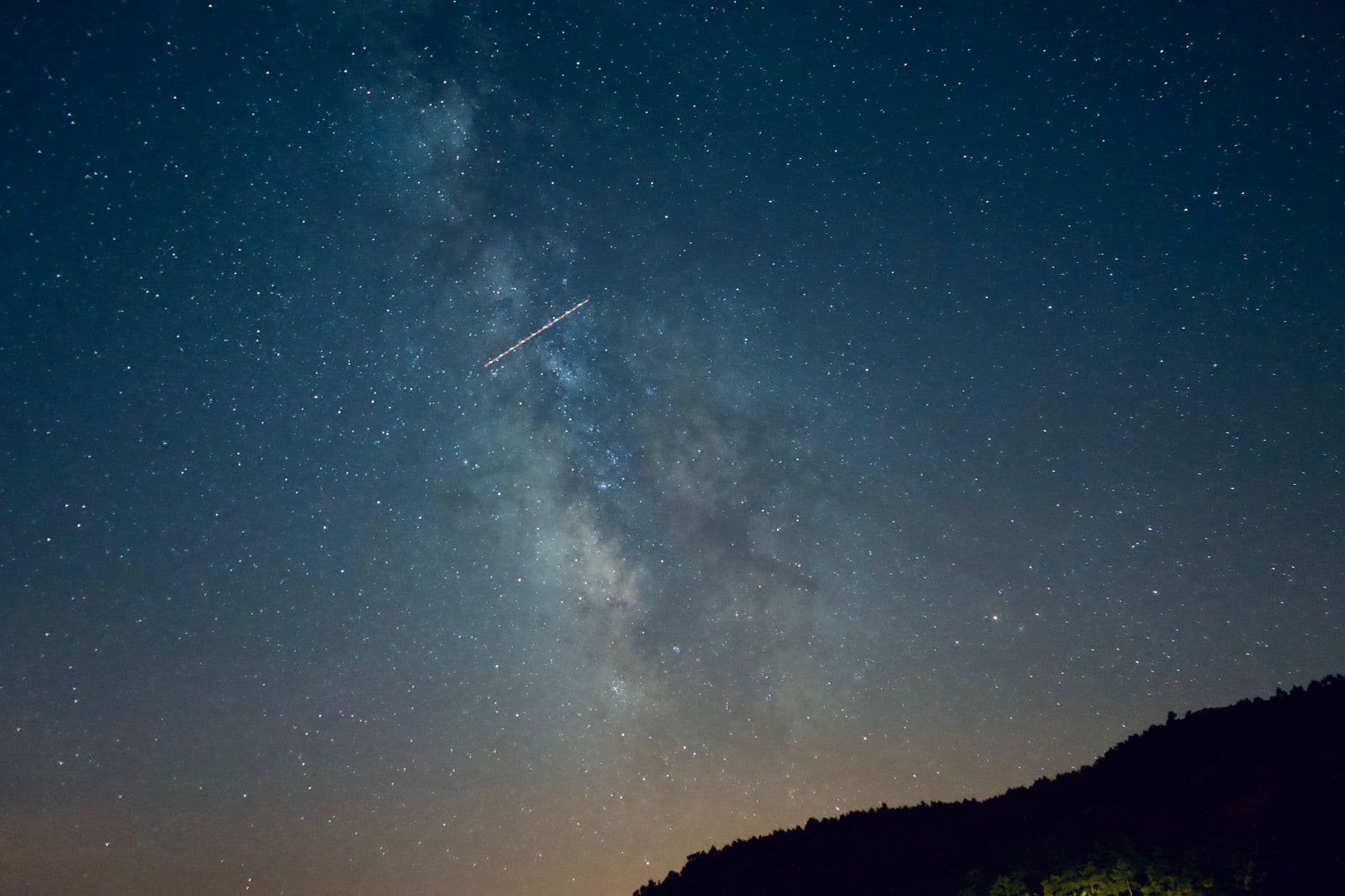
Timing helped just as much as optics. The Milky Way was well placed in the frame, and the shot came early enough that satellite trails had not yet started cluttering the scene. That matters in modern wide-field imaging, where stray tracks can quickly spoil a clean composition. July is also one of the strongest months for Milky Way work because the galactic core rides high during summer nights, and the Perseid meteor shower is already building toward its August peak.
For amateur imagers, the lesson is straightforward: leave the camera running, aim for a strong Milky Way composition, and keep repeating the setup until the sky gives up a moment like this one. When the camera is already there, the meteor does not need a second chance.
This article was produced by Prism’s automated news system from verified source data, official records, and press releases, then run through automated quality and moderation checks before publishing. The system is built and supervised by the people who set the standards it runs under. Read our full AI policy.
Did this article answer your question?