One month to go: astrophotographers plan for the 2026 total solar eclipse
Astrophotographers are locking in totality sites, filtered exposure runs, and backup plans now, with Spain’s sunset eclipse window leaving little margin for clouds.
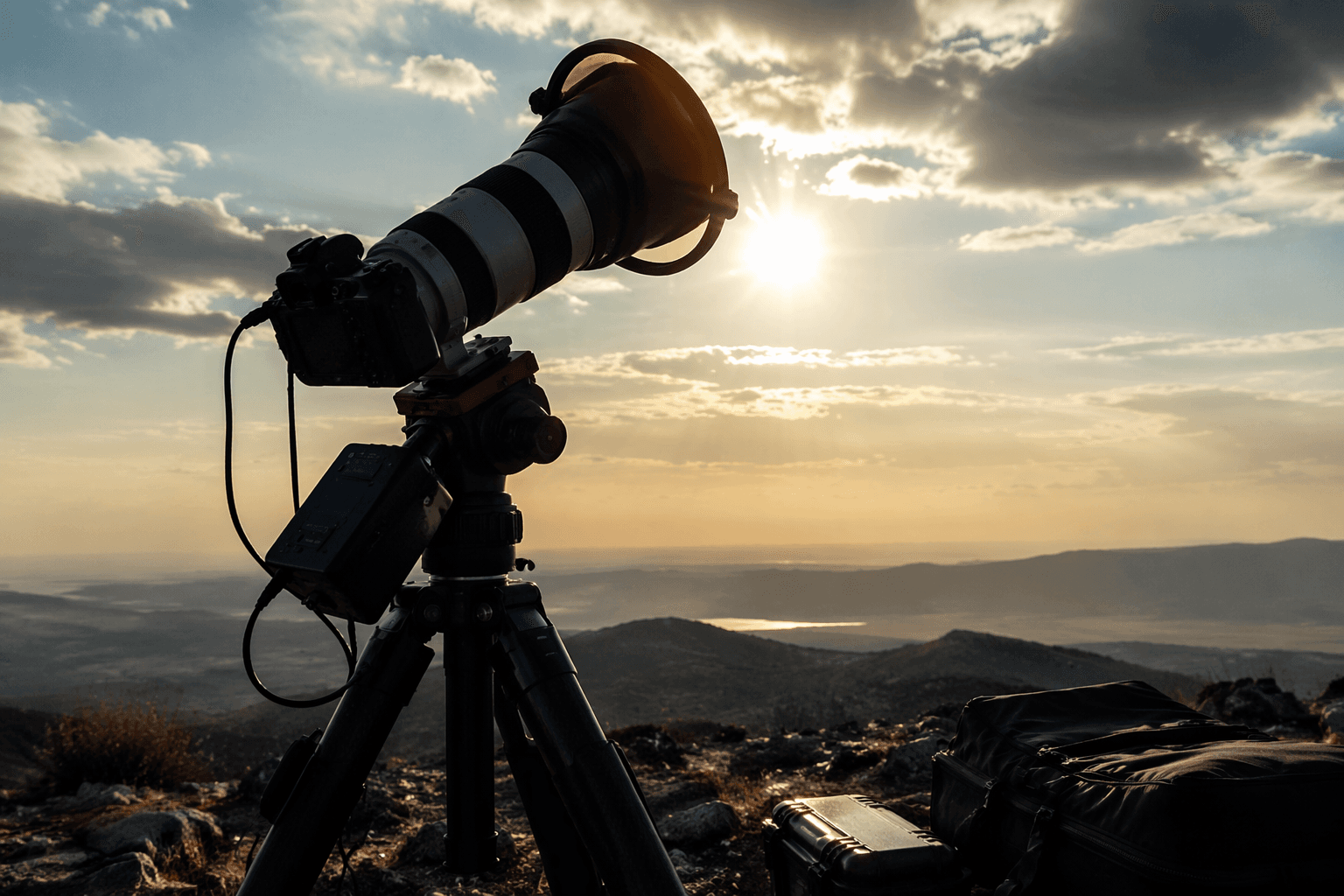
A month before Aug. 12, 2026 totality, astrophotographers are making the calls that matter most: Greenland, Iceland or Spain for the full eclipse, which focal length to carry, and how to switch from filtered partial-phase frames to the short burst of totality. Outside the narrow central path, the rest of Europe, parts of North America and Africa will see only a partial eclipse, so the first decision is still location.
In Spain, the timing leaves little room for improvisation. Timeanddate lists the partial eclipse start at 7:30 pm CEST, totality at 8:26 pm CEST, the end of totality at 8:33 pm CEST and the close of the partial phase at 8:46 pm WEST. The path across Spain is about 290 km wide, and totality arrives close to sunset, a combination that raises cloud-risk concerns and makes horizon planning as important as the camera bag.
NASA’s safety guidance is blunt: viewing any part of the bright Sun through a camera lens, binoculars or a telescope without a special-purpose solar filter secured over the front of the optics can instantly cause severe eye injury. Eclipse glasses or other solar filters stay on during the partial phases and come off only during totality, which means exposure sequences, filter changes and focus checks need to be rehearsed before the trip, not during it. NASA also treats the August event as a major imaging opportunity, both for science and for a memorable corona sequence.
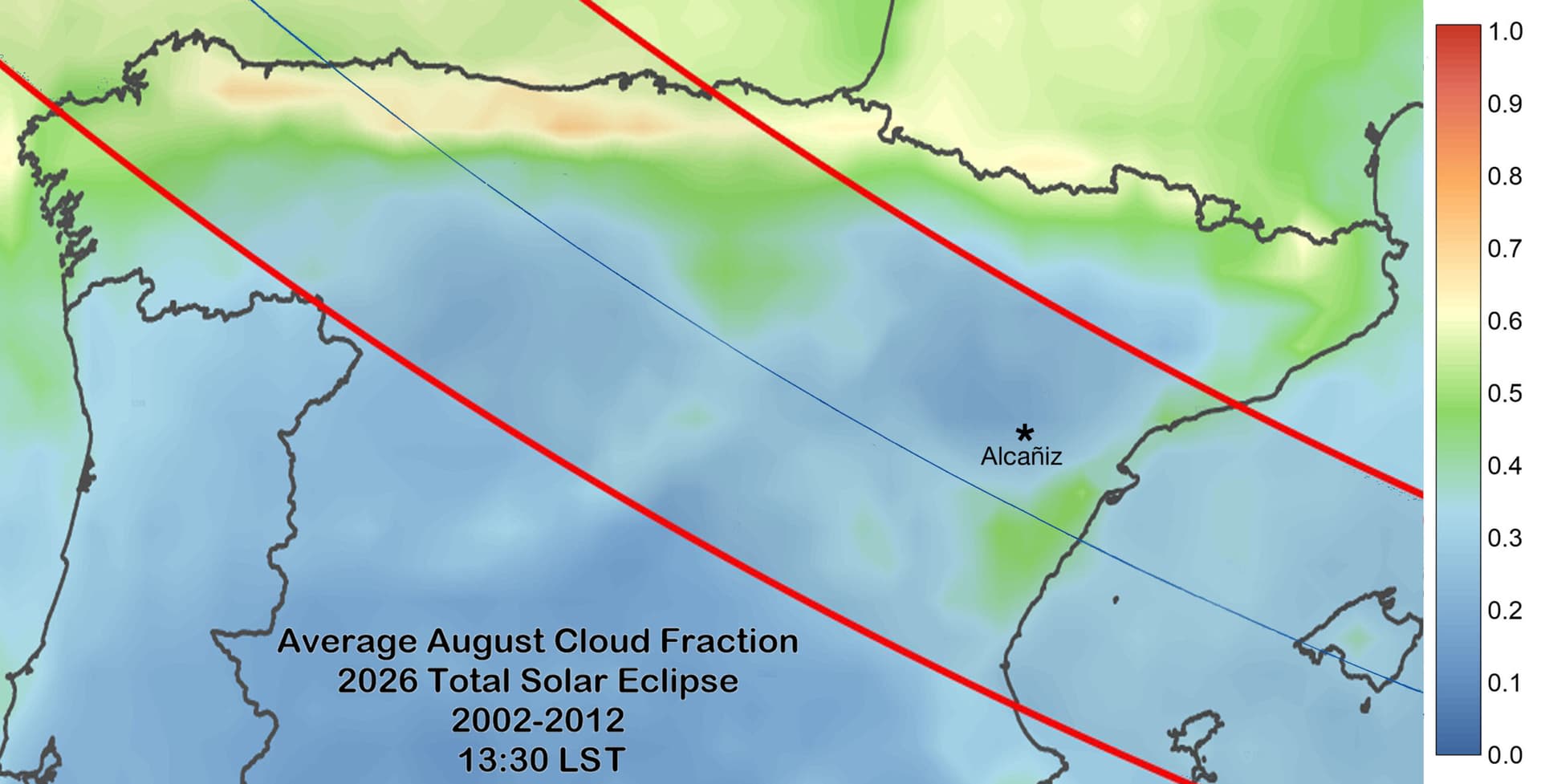
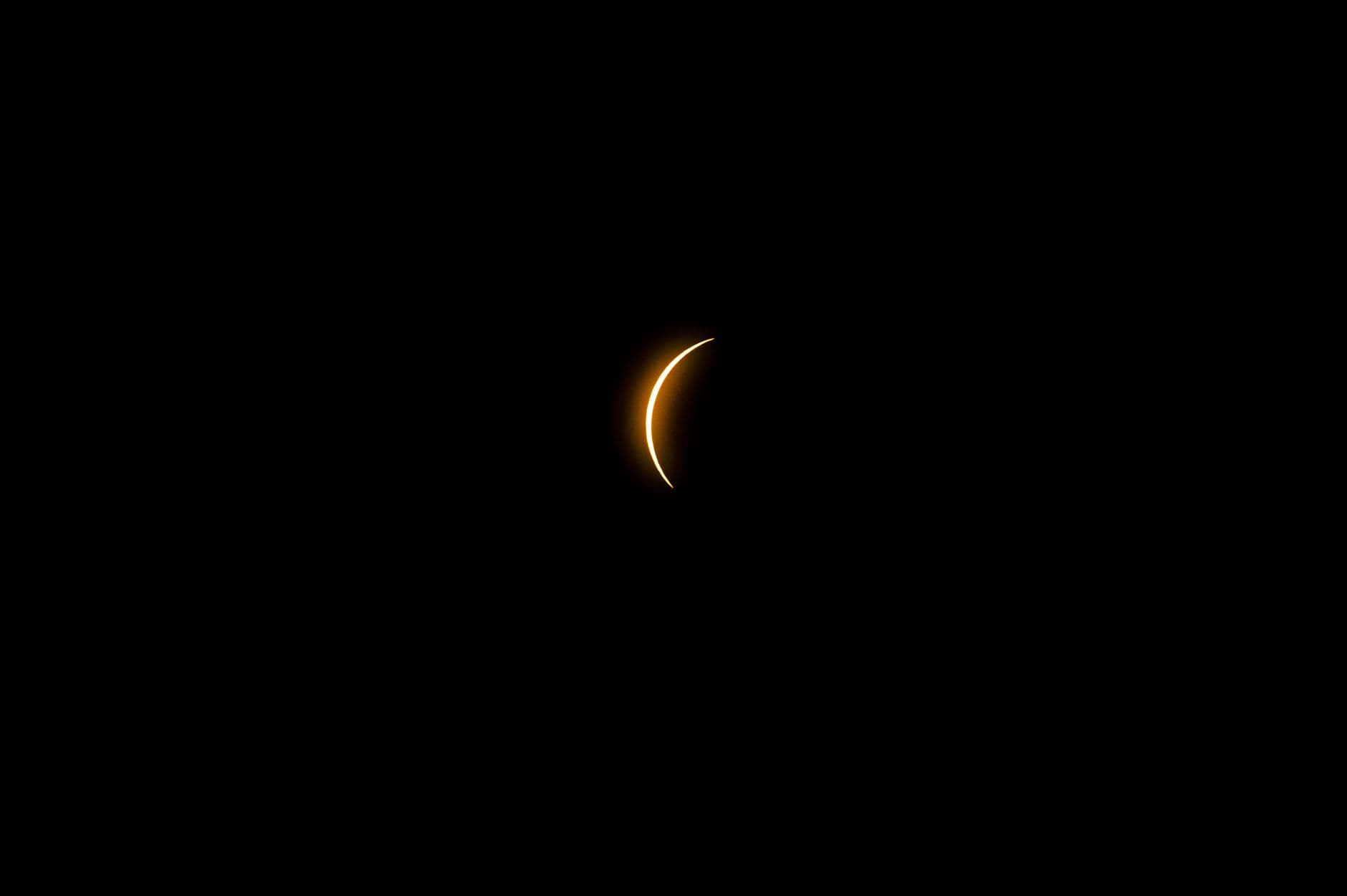
The timing explains the rush. Timeanddate says this will be the first total solar eclipse visible from mainland Europe since 1999, and NASA says you must be inside the central path to see the total phase at all. That leaves almost no margin for a weak Plan B: a missed flight, a low cloud deck or a bad roadside pull-off can turn a totality chase into a partial-eclipse outing. With the clock already down to weeks, the smart move is to lock the site, pack the filters and know exactly what lens comes out when the Moon’s edge reaches the Sun.
This article was produced by Prism’s automated news system from verified source data, official records, and press releases, then run through automated quality and moderation checks before publishing. The system is built and supervised by the people who set the standards it runs under. Read our full AI policy.
Did this article answer your question?