APHIS tightens import rules for hatching eggs and day-old poultry
A chick order can now hinge on a permit, an English health certificate and a 30-day window, with HPAI zones off-limits.
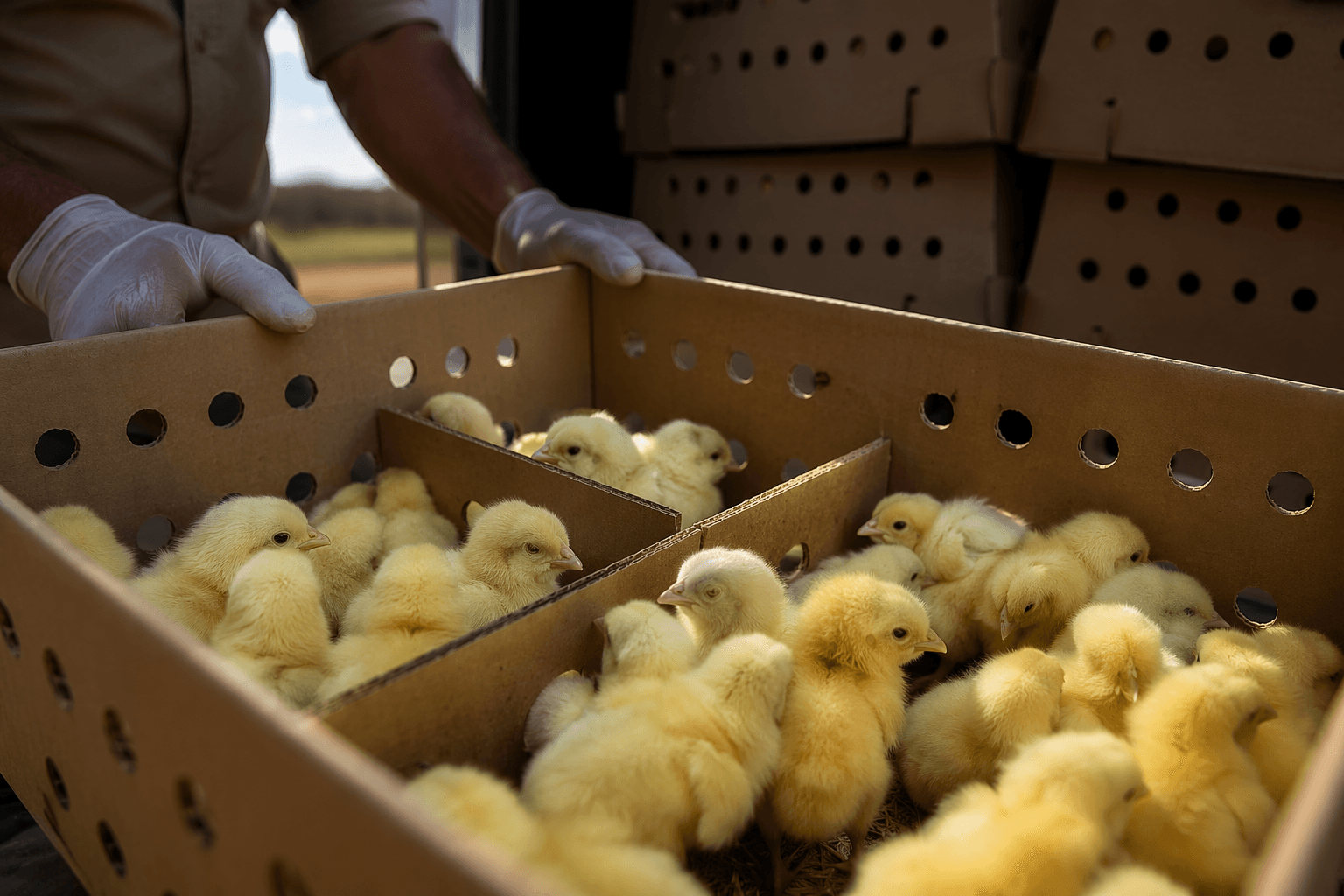
Imported hatching eggs and day-old poultry generally require a USDA import permit, a veterinary health certificate, port inspection and import quarantine. The rule reaches farther than chickens. APHIS defines poultry broadly to include chickens, doves, ducks, geese, grouse, guinea fowl, partridges, pea fowl, pheasants, pigeons, quail, swans and turkeys, and it defines day-old poultry as birds less than 72 hours old. With few exceptions, hatching eggs may not be imported from, or transit through, countries or zones affected by highly pathogenic avian influenza, better known as HPAI.
For an ordinary backyard keeper, that means a local hatchery order inside the U.S. usually lives under a different set of rules than a cross-border or international shipment. Imported hatching eggs and day-old poultry generally require a USDA import permit, a veterinary health certificate, port inspection and import quarantine. Imports from Canada through a land border port are exempt from the import-permit requirement.
Import permit applications should be filed at least seven business days before shipping, and the original permit is valid for 30 days. Shipments that merely pass through the United States on the way to another country need a USDA transit permit, a contingency plan and USDA services arranged at least 72 hours in advance. If the shipment comes from an HPAI-affected region, it may not transit the United States at all.
Hatching eggs imported from any region must carry an English health certificate issued by an official veterinarian or certifying official and endorsed by the competent animal health authority. HPAI and virulent Newcastle disease are the two viral diseases that can trigger quarantine on arrival or bar entry altogether.
U.S. Customs and Border Protection agriculture specialists in Cincinnati seized 337 hatching eggs that were manifested as winter jackets and lacked proper documentation. USDA does not allow hatching eggs from HPAI-positive countries. Earlier interceptions included 750 avian eggs misdeclared as “The Scarf” in Memphis in 2021 and 40 unpermitted incubated chick-hatching eggs in Philadelphia in 2019.
HPAI has turned up in commercial and backyard poultry flocks, wild birds, dairy cattle and other mammals. Penn State Extension's March 2022 update put the virus in all four North American flyways.
This article was produced by Prism’s automated news system from verified source data, official records, and press releases, then run through automated quality and moderation checks before publishing. The system is built and supervised by the people who set the standards it runs under. Read our full AI policy.
Did this article answer your question?