First-time chicken keepers get a practical plan before buying birds
The smartest first flock starts with rules, space, and predator-proof housing, not birds. A usable plan now can prevent respiratory trouble, pecking, and costly rebuilds later.
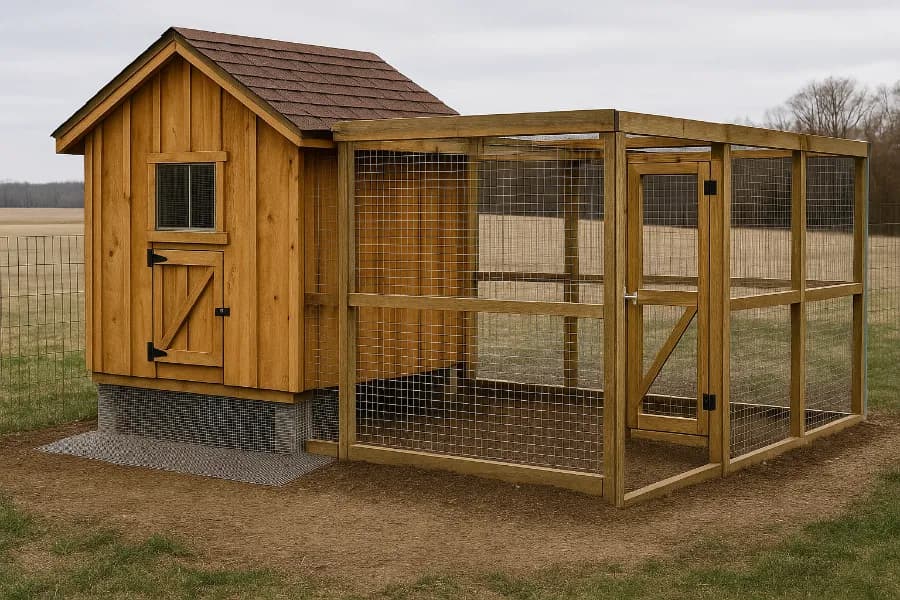
A prefab coop and a box of chicks are the easy part. Ryan Brennan puts the hardest choices up front: local rules, flock size, site selection, predator protection, and cleanability, because those decisions shape whether hens stay healthy or turn into a noisy, smelly do-over.
Start with the rules, not the lumber
Before you buy chicks, pullets, or a prefab coop, check city ordinances and any HOA language that could limit flock size, rooster ownership, setbacks, permits, or even how manure is handled. Backyard chickens have moved from a niche pastime into a mainstream pet-and-food project, driven by sustainability, animal welfare, local food production, and concern about industrial agriculture’s carbon footprint.
That wider interest has also collided with city life. Backyard chickens surged in Philadelphia during the pandemic, even though a 2004 ordinance was meant to eliminate the practice. Local rules can exist on paper and still leave plenty of gray area in real neighborhoods, which makes a quick check with city hall or county extension staff the safest first move.
Size the flock for the space you actually have
The biggest beginner mistake is buying more birds than the yard and coop can support. Start small, usually with at least three birds and more commonly four to six, which gives you enough flock behavior and egg production without overloading the run or the cleaning routine.
Penn State Extension says indoor coop space for average laying chickens can run from 1 to 3 square feet per bird depending on the system, while free-range or pastured setups generally need 5 to 10 square feet per bird outdoors. Oregon State University Extension recommends at least 3 square feet per bird if the flock has access to a run or outdoor area, and 8 to 10 square feet per bird if there is no outdoor access. Cornell Cooperative Extension recommends about 2.5 to 3.5 square feet per bird inside the coop plus another 4 to 5 square feet in the fenced outdoor area.
Crowding leads to pecking, damp litter, faster manure buildup, and ventilation problems that can turn a cute starter flock into a respiratory headache.
Put the coop in the right place the first time
Site choice affects smell, mud, noise, and how much work the flock creates every week. Choose partial shade, good drainage, wind protection, and enough distance from the house to keep nuisance factors under control. Place the coop on high, well-drained ground and design for ventilation without drafts.
A coop that sits in a low, soggy corner becomes a manure trap, and a wet run is much harder to maintain through a full season. If you want fewer flies, less ammonia, and less scraping later, the ground under the coop matters as much as the wood you use.
Build for predators, because they are not an afterthought
Predator pressure is one of the biggest design drivers in backyard poultry. Cornell Cooperative Extension says predation is the most common cause of mortality in small poultry flocks, and the usual threats are not exotic: raccoons, hawks, foxes, dogs, rodents, and even coyotes can all test a weak setup.
Oregon State University Extension recommends covering the run with wire or netting and burying fencing 6 inches to 1 foot to deter digging predators. That underground barrier matters just as much as a locked door, because many losses happen when a predator finds the soft edge of a run and works from below. A roofline cover and motion lighting add another layer of defense, especially in neighborhoods where raccoons and neighborhood dogs are regular visitors.
Get the coop design details right
A beginner coop does not need to be fancy, but it does need to be functional. Oregon State University says a good coop should include roosts, with roost bars at least 18 inches off the ground. Ventilation near the roofline helps moisture escape without blasting birds with drafts.
Good airflow reduces respiratory stress and keeps litter drier, while roost height gives hens a proper place to sleep instead of piling onto the floor where manure builds up faster. If the build is easy to hose, scrape, and refresh, you will keep up with it instead of falling behind by the second month.
Budget for more than just wood
Brennan puts the starting cost of a basic backyard flock at roughly $500 to $2,000 before recurring feed and bedding costs begin. That range makes sense when you look at a 4-by-8 coop plan published in 2026, which estimated materials at roughly $500 to $800 for a basic DIY build. Once you add hardware, wire, fasteners, and the inevitable extras that appear mid-project, the bill climbs quickly.
A 4-by-8 coop with an attached run is still a manageable backyard build for many first-timers, and can house four to six standard hens and usually takes two or three weekends to complete with basic tools. The footprint is practical, but the real question is whether the design gives each bird enough indoor and outdoor space and enough protection to hold up after the first storm, the first predator test, and the first muddy week.
Plan for birds that live longer than they lay
A useful rookie expectation is that hens are not a one-season project. Hen lifespan commonly runs five to ten years, while peak egg production lasts for a shorter stretch, often only two or three years. That means you are not just buying eggs, you are committing to housing, feeding, and caring for birds well after the initial novelty wears off.
Breed choice should match both climate and goals. A bird that handles heat, cold, or damp weather better will save you headaches later, especially if the coop is simple and the local weather is rougher than you expected.
Handle the health side before the first chick arrives
USDA Animal and Plant Health Inspection Service offers free biosecurity tools through its Defend the Flock program, and that advice belongs on the front end of any backyard setup. The CDC warns that backyard poultry can carry Salmonella even when the birds look healthy and clean, which is why handwashing, shoe control, and sane coop hygiene matter from day one.
In June 2026, the CDC was investigating eight multistate Salmonella outbreaks linked to backyard poultry, and one quarter of the sick people were children under 5. A late-June update also reported 53 hospitalizations and one death in a person from Washington state.
Keep the neighbors in mind from the start
A heads-up to neighbors, along with a few fresh eggs once the hens start laying, can smooth the way. That is especially useful in places where odor, noise, or enforcement complaints can become the real reason a flock runs into trouble.
This article was produced by Prism’s automated news system from verified source data, official records, and press releases, then run through automated quality and moderation checks before publishing. The system is built and supervised by the people who set the standards it runs under. Read our full AI policy.
Did this article answer your question?