Fairfax County outlines chicken permit rules, lot limits for backyard flocks
Fairfax County’s chicken rules start with a permit hearing, but the real test is whether your lot clears the county’s two-acre limit and bird-unit math.
If you are thinking about hens in Fairfax County, the first question is not what breed lays the prettiest egg. It is whether your property can clear the county’s permit process, the lot-size rules, and the long-term work of keeping birds healthy once they start laying. Fairfax’s guidance reads like a practical checkpoint list for exactly that reason: the hard part comes before the first chick ever hits the brooder.
Start with the permit, not the coop
Fairfax County treats backyard poultry as a land-use issue, not a casual hobby. A special permit is required under state regulations, and that permit goes before the Fairfax County Board of Zoning Appeals, which has seven members and one alternate appointed by the Circuit Court. The hearing is not a quiet formality, either. It must be advertised in local papers, and neighbors must be notified, which means the county expects poultry keeping to be visible to the people living around it.
The county’s Department of Planning and Development puts the special permit process at about 90 days from application acceptance to the Board of Zoning Appeals public hearing. Applications are filed electronically through the PLUS portal, and the submission package has to include the required materials, including a fee and an affidavit. If you were hoping to buy birds first and sort out paperwork later, Fairfax’s process makes that a bad bet.
Then check the lot math
This is where a lot of first-time keepers get surprised. Fairfax County code says domestic fowl such as chickens, ducks, turkeys and geese may only be kept on lots that are two acres or greater. The county also uses a bird-unit ratio of one bird unit per acre, and 32 chickens equal one bird unit. Only fowl that are two months or older count in that ratio, so the math applies to birds once they are past the very young stage.
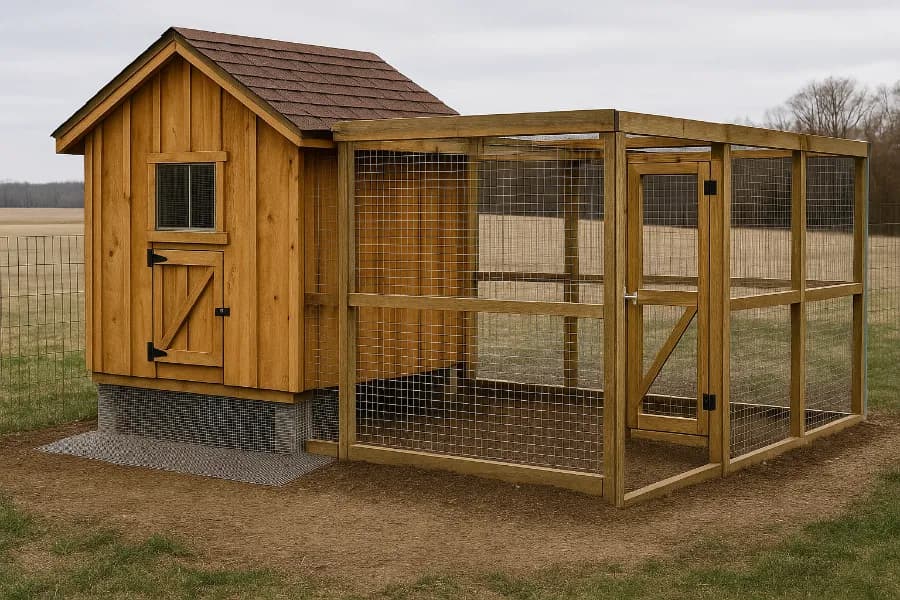
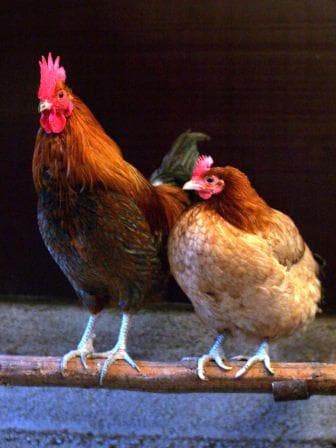
Roosters are not permitted except with an agricultural use, which matters if you are imagining a mixed flock or buying unsexed chicks. That one rule changes the practical setup immediately: no crowing male to “round out” the flock, and no assuming a rooster exemption because the coop looks small and tidy. If your property is under two acres, Fairfax’s Northern Virginia Soil and Water Conservation District says to contact Zoning Administration before moving forward.
HOA rules still sit on top of county approval
Even if the county says yes, your neighborhood agreement may still say no. Fairfax’s guidance makes the point plainly: homeowners association covenants can still prohibit chickens, and residents should talk with neighbors before getting started. That is not fluff. A county permit does not override private restrictions, and a flock that passes zoning can still run into neighborhood enforcement if the covenants are stricter.
That is why the permission path in Fairfax is really three layers deep: county zoning, HOA rules, and the social reality of keeping birds on a shared block. The county is telling you to clear all three before you ever buy feed.
Choose birds with the laying math in mind
Fairfax’s chicken resource does not just talk rules. It also gives the basic flock categories that matter when you are deciding what to buy: broilers, layers and dual-purpose breeds. It names familiar backyard staples such as Rhode Island Reds, Ameraucanas and Orpingtons, which is useful because breed choice changes what the flock is really for. If eggs are the goal, start with layers or a breed known for steady production instead of getting distracted by whatever looked calm in the feed-store bin.
Penn State Extension adds the context that makes those breed choices matter. In small flocks, chickens often live about 8 years and can reach 12 to 15 years. Heritage breeds may lay only 50 to 100 eggs a year, while commercial sex-linked hybrids can produce 240 to 280 eggs a year. That spread is huge, and it is why the “backyard chicken” label hides a real decision: do you want a longer-lived, lower-output bird or a higher-output hen that keeps the egg basket fuller?
Know the laying cycle before the first egg appears
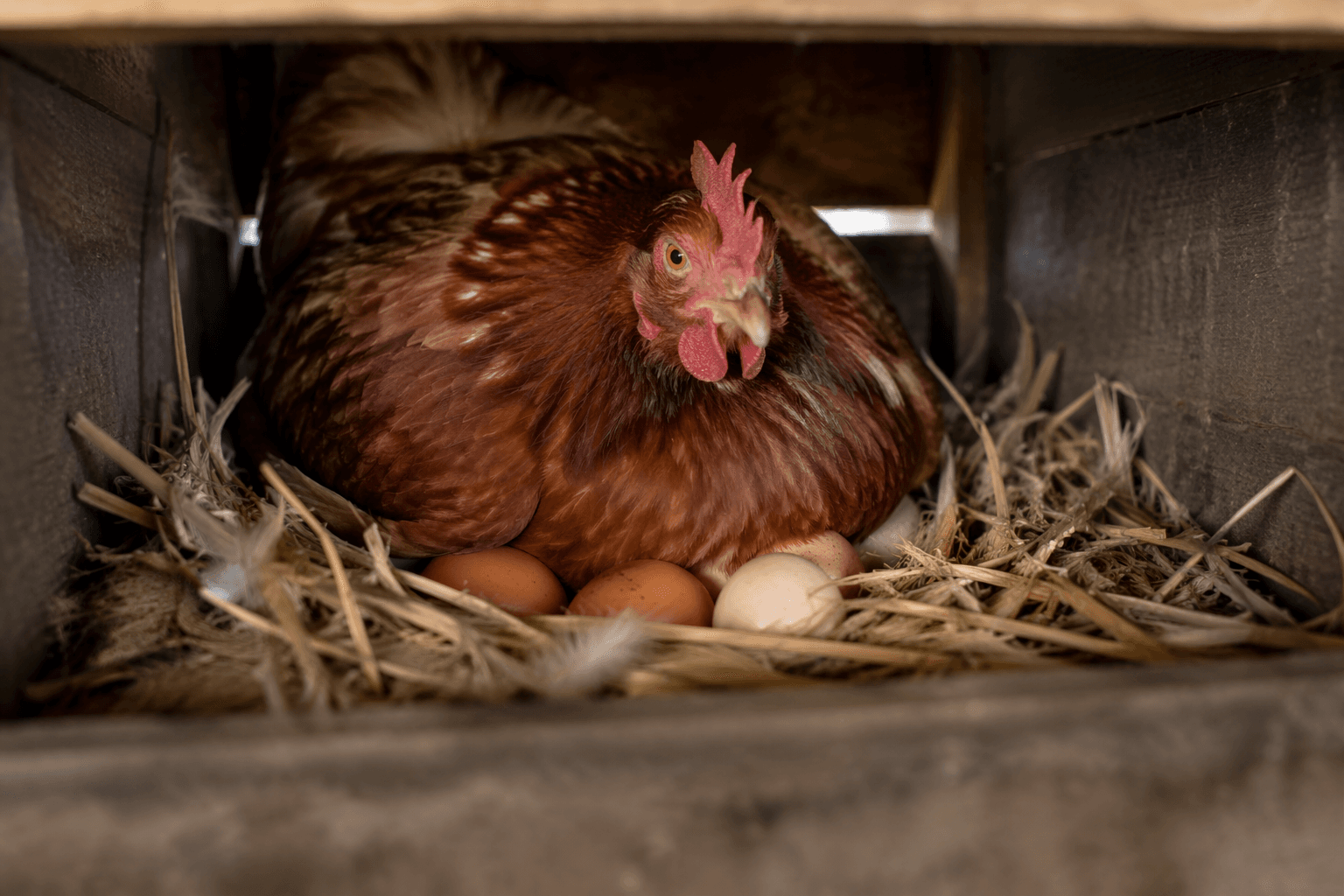
A new keeper can get impatient fast if the birds are healthy but still too young to lay. Fairfax says hens typically begin laying around five to six months of age, which lines up with Penn State’s estimate of sexual maturity at 16 to 24 weeks, or about 4 to 6 months. In other words, chicks are a months-long investment before they become egg producers.
Once laying starts, the output can be strong, but it is not flat forever. Fairfax says peak production can reach about six eggs per week per hen, then drops after about five years. That decline matters because a coop full of hens is not a one-season project. You are planning around a production curve that changes as the birds age, and the bird you buy in spring may still be part of the flock years later.
Daylight is part of the job
Laying is tied to light more than a lot of beginners expect. Fairfax says hens generally need 12 to 14 hours of daylight to keep laying regularly, and Penn State notes that mature laying hens generally do best with about 16 hours of light per day. Shorter daylight seasons reduce laying unless keepers provide enough light, and too much light can stress the birds.
That is the kind of detail that separates a tidy backyard setup from a flock that actually keeps producing. A hen house is not just shelter from rain and predators; it is the environment that keeps the birds on cycle. If daylight drops, egg numbers usually drop with it.
The real decision in Fairfax
Fairfax County’s own guidance pushes residents toward the same conclusion from every angle: check the permit path, measure the lot, respect the neighborhood rules, and then think about breed, age and laying rhythm. The county’s permitting process, the two-acre threshold, the rooster restriction and the bird-unit math all make backyard hens a regulated land-use choice, not an impulse purchase.
That is the part people miss when they focus on the prettiest coop. In Fairfax, the coop is only the last step. The real question is whether your property, your paperwork and your long-term expectations can support hens for the years they will actually be there.
This article was produced by Prism’s automated news system from verified source data, official records, and press releases, then run through automated quality and moderation checks before publishing. The system is built and supervised by the people who set the standards it runs under. Read our full AI policy.
Did this article answer your question?