Vet and UC Davis expert fill backyard chicken care gap with new guide
A vet and UC Davis poultry specialist built a science-first chicken guide that finally tackles biosecurity, disease, housing, and feed decisions backyard keepers face.
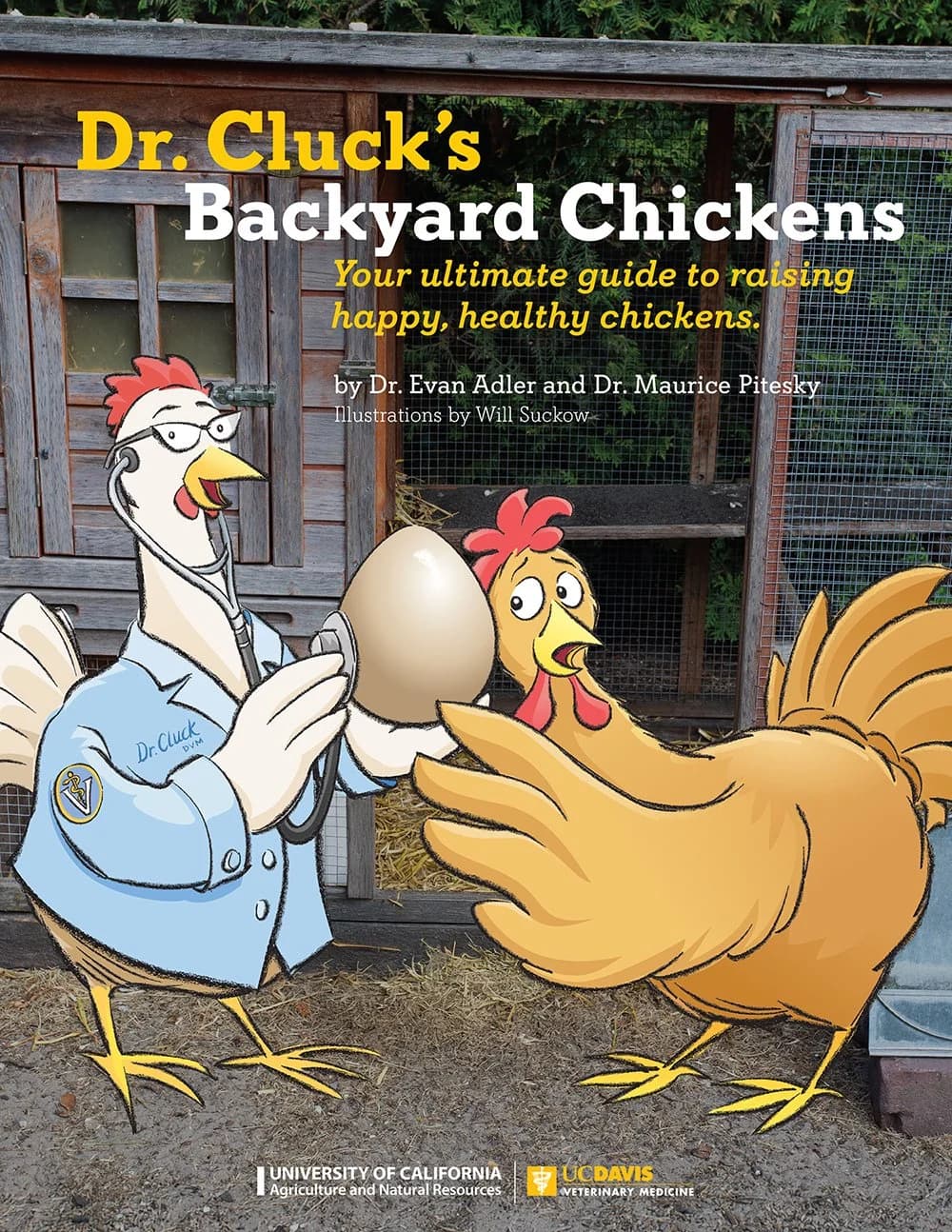
Dr. Cluck’s Backyard Chickens, a 228-page poultry-care guide from University of California Agriculture and Natural Resources, is built for disease pressure, predator pressure, and the daily mess of backyard flock management.
A backyard chicken book built like a field manual
Dr. Cluck’s Backyard Chickens is not a coffee-table novelty. It is a science-based poultry-care guide from University of California Agriculture and Natural Resources, available in paperback and hardbound editions with ISBN 978-1-62711-246-8. Pitesky, a faculty member at the UC Davis School of Veterinary Medicine with credentials in veterinary medicine, public health, and preventive medicine, coauthored it with Dr. Evan Adler, and Will Suckow handled the illustrations.
The book addresses a specific problem: backyard flock owners often get advice that is either too technical to use or too casual to trust. It is aimed at chicken owners at every stage of flock management. It is meant for the person brooding chicks in a garage, the owner trying to keep hens laying through summer heat, and the keeper who suddenly needs to make a hard call about illness, predators, or end-of-life care.
Why Pitesky is the right kind of expert
Pitesky’s research focus is highly pathogenic avian influenza, or HPAI, and his poultry work centers on GIS-based mapping and modeling to understand how avian disease moves in time and space. His work spans poultry health, food safety epidemiology, HPAI modeling, and outreach.
The book grew out of years of talking with backyard keepers at fairs, in classrooms, extension programs, and 4-H events, where the same mistakes keep showing up. New owners buy too many birds, underestimate predator risk, skip quarantine, or chase home remedies instead of checking whether a problem is nutritional, infectious, or management-related. The book translates those mistakes into plain, fixable decisions.
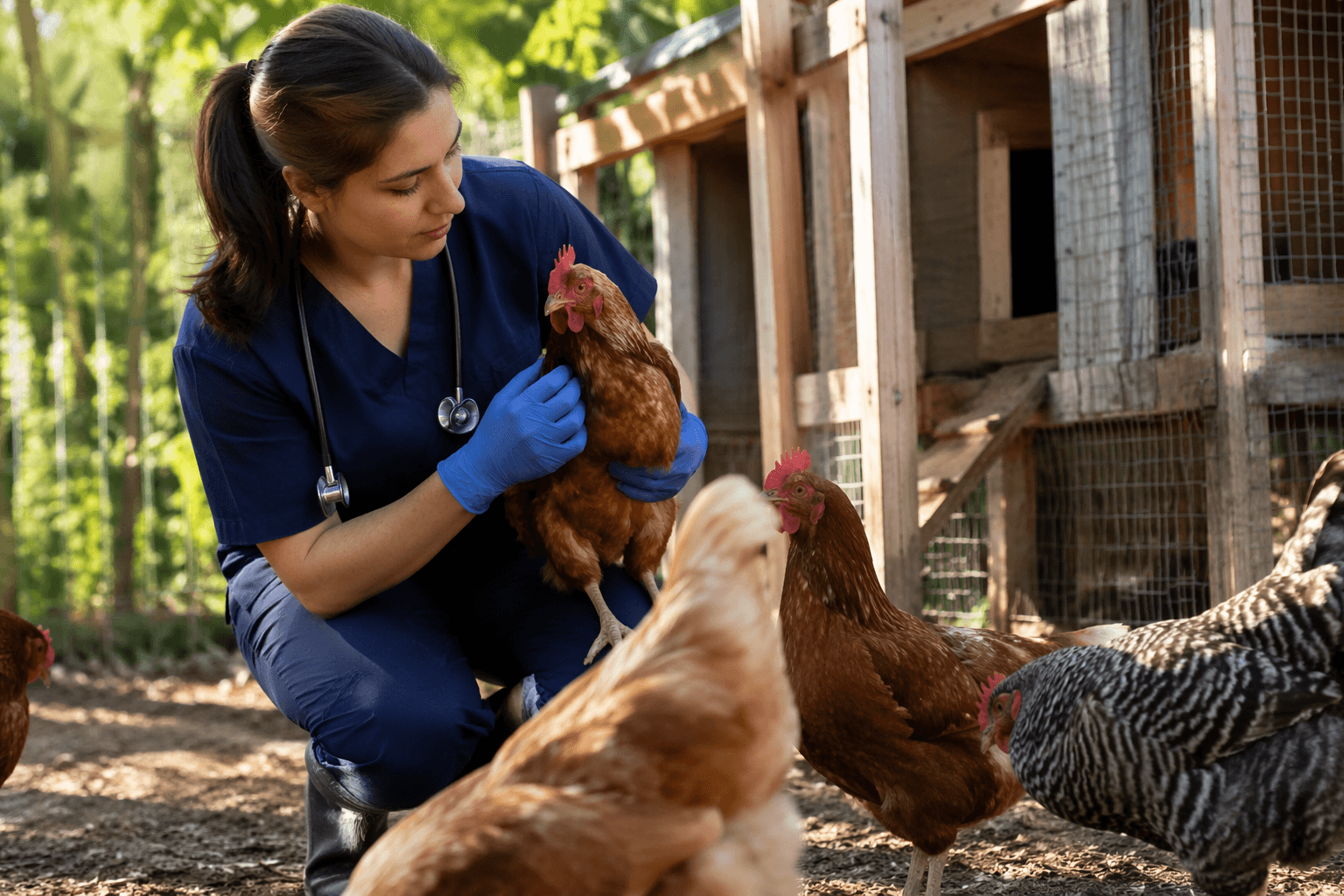
Biosecurity is the backbone, not an afterthought
Backyard birds remain at risk for bird flu, and that risk is dynamic, shaped by weather, wildlife movement, and human activity. There is no treatment for HPAI, which leaves biosecurity as the best protection for flocks.
A lot of new keepers underestimate that. Biosecurity is not just hand sanitizer and a locked gate. It means controlling who touches the birds, where your boots go, how feed is stored, whether wild waterfowl can reach the run, and how quickly you separate a bird that starts looking off. Backyard setups often get shared equipment, visitor habits, and flock contact with whatever comes through the yard wrong.
What the book actually helps you do
The content is broad, but it is not vague. The guide covers avian flu, salmonella, predators, feed choice, breed selection, and how to tell sound advice from snake oil. Backyard chicken problems rarely arrive one at a time. A flock can be healthy, productive, and still be one open feeder away from rodents, one weak latch away from a raccoon, or one bad supplement away from wasted money.
The practical upside is that the book treats flock care as a sequence of real decisions:
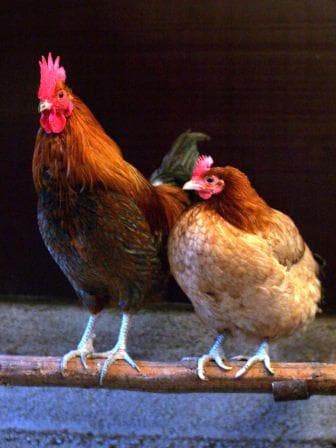
- Choosing breeds that fit your climate, temperament, and egg goals instead of chasing whatever looks popular online.
- Setting feed based on life stage, so chicks, growers, and laying hens are not all treated the same.
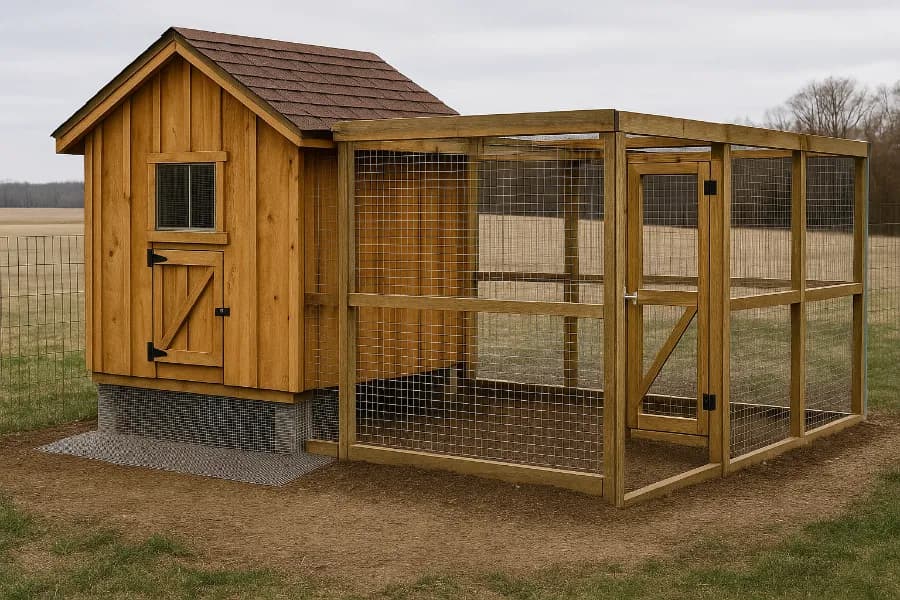
- Building housing that is easy to clean, secure, and large enough for the birds you actually keep.
- Recognizing when a health problem calls for isolation, not a “wait and see” approach.
- Treating holistic remedies skeptically unless they make sense against the actual biology of the problem.
Backyard chicken owners get marketed a lot of miracle fixes.
Why the format matters as much as the content
The book includes chapter-by-chapter references, a full glossary, and an index, so you can trace recommendations back to the science instead of treating the text like folk wisdom. Plenty of content tells you what to do, but not where the advice comes from or whether it applies to your setup.
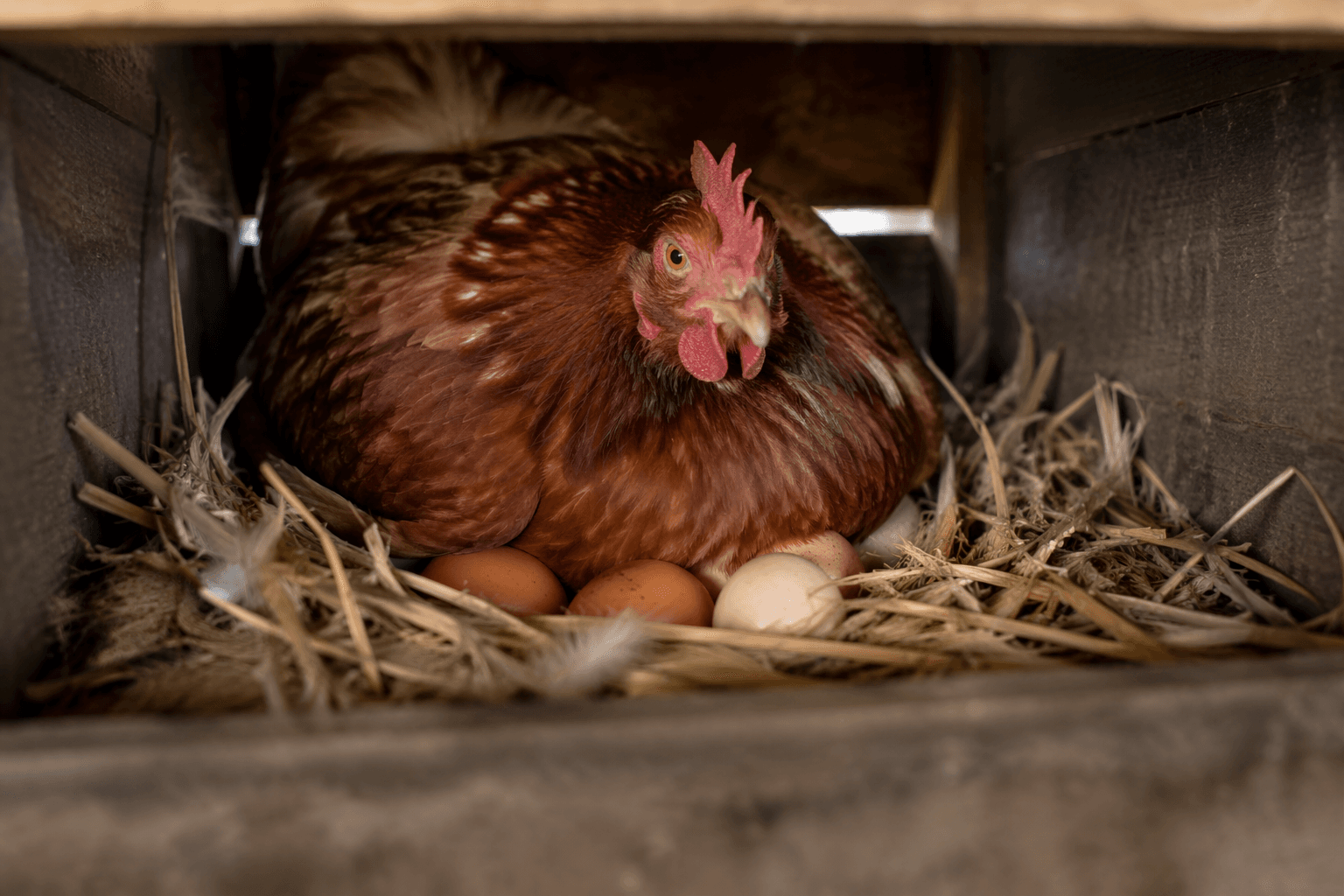
The cartoon chicken veterinarian, Dr. Cluck, makes the book more accessible, but the tone underneath is still serious. Backyard keepers need a reference that can explain why a hen stops laying, why a flock needs quarantine, why predators exploit weak housing, and why food-safety habits matter as soon as eggs leave the nest box.
The takeaway for small-flock owners
Backyard chicken keeping now turns on everyday management: disease introduction, poor housing, bad feed choices, and wishful thinking about remedies. Pitesky’s book is a practical reference rooted in veterinary science and extension experience.
This article was produced by Prism’s automated news system from verified source data, official records, and press releases, then run through automated quality and moderation checks before publishing. The system is built and supervised by the people who set the standards it runs under. Read our full AI policy.
Did this article answer your question?