Backyard chicken coops surge as suburban flock ownership grows
Purpose-built coops are edging out repurposed sheds as flock owners shop for safer airflow, cleaner access and stronger predator protection.
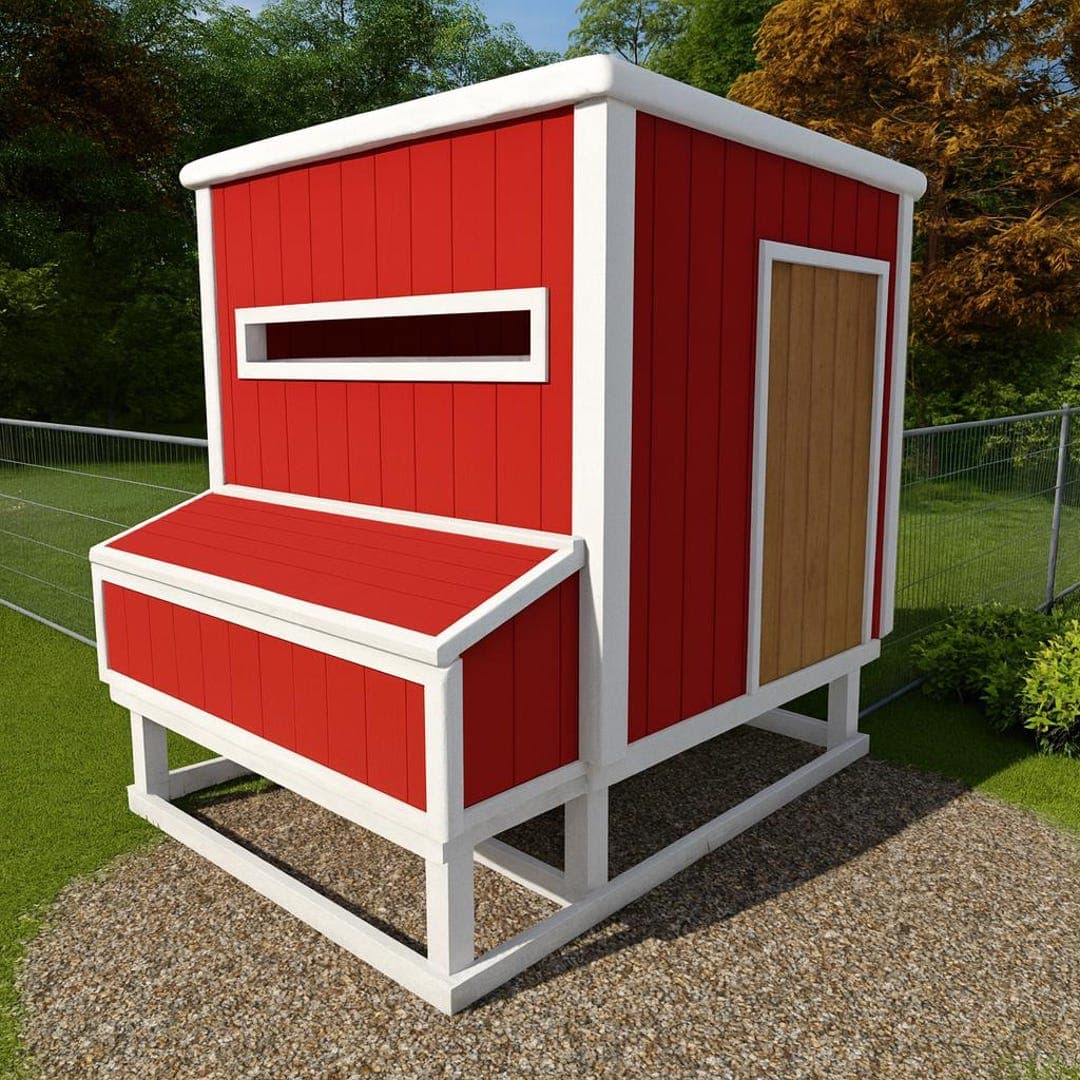
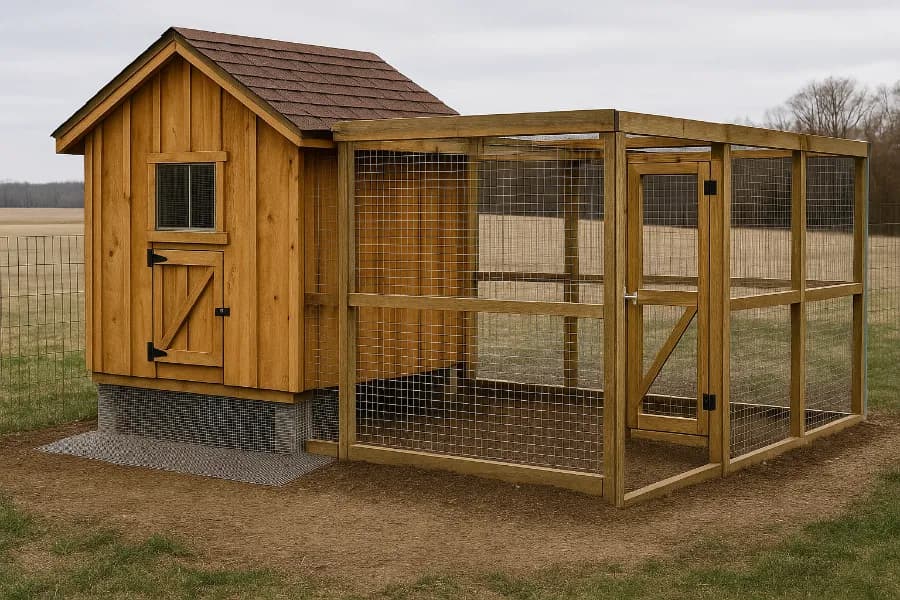
The 8x8 Chicken Coop PBB from Willow Prairie Portable Buildings topped The Shed Store’s June 25 ranking, a sign that ready-to-use poultry housing has moved well beyond the old backyard DIY crowd. The list covered seven coops priced from about $500 to more than $5,000, and it tracked a market where suburban and urban chicken keeping has become common enough to support a real consumer category.
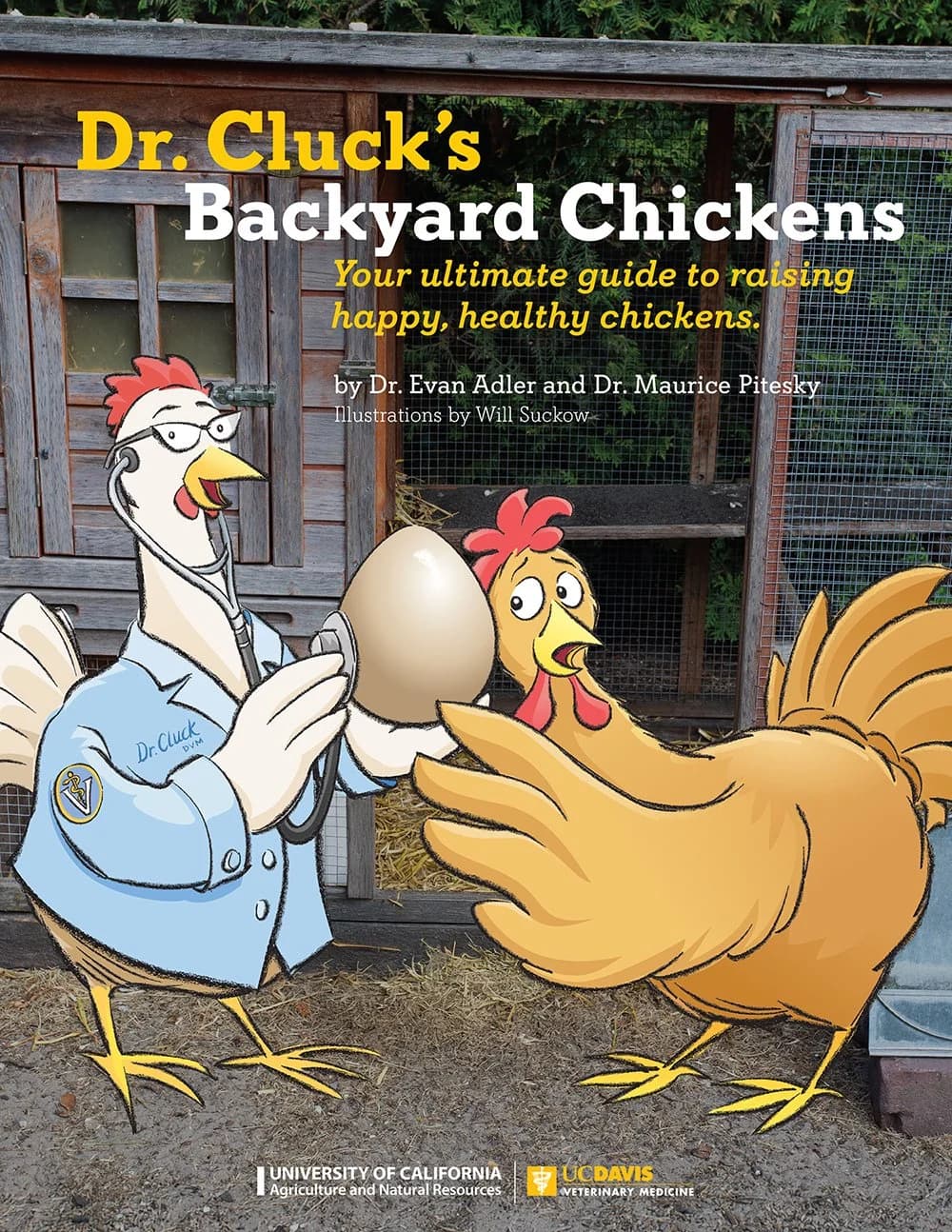
The shift fits the way most backyard keepers actually use their birds. In a 2016 University of California, Davis survey of 1,487 owners, 71% kept fewer than 10 chickens and 70% had been keeping chickens for less than five years. Home food use led the list of reasons at 95%, followed by gardening at 63% and pets at 57%. Predation was the most common challenge, cited by 49% of respondents, which helps explain why coop buyers are paying closer attention to framing, fencing and lockup than to decorative extras.
That is where the practical buying framework starts: flock size first, then protection, then airflow and cleanup. Oregon State University Extension says a coop should give at least 3 square feet per bird when chickens have outdoor access, and 8 to 10 square feet per bird without it. The same guidance stresses predator protection, mesh run fencing, buried fencing and ventilation that moves out ammonia, carbon dioxide and moisture without creating drafts. The top-ranked Willow Prairie model was singled out because it was built as a poultry structure, not a converted garden shed.

That distinction matters because the industry is now selling coops the way other home-improvement products are sold, as something many owners are willing to buy instead of improvising. AVMA welfare guidance puts feed, water, light, air quality, space, sanitation, disease protection and predation protection in the same frame, and poultry health expert Rocio Crespo said veterinarians can serve as auditors for backyard flocks. Penn State Extension and other land-grant programs have also tied coop design to biosecurity and flock welfare, reinforcing that easy access for cleaning and daily care is not a luxury feature.
The health backdrop is harder to ignore in 2026. CDC guidance tells backyard flock owners to wear personal protective equipment around sick or dead birds and contaminated materials, including coops and runs. USDA’s Animal and Plant Health Inspection Service is leading the federal response to ongoing highly pathogenic avian influenza in commercial and backyard flocks, while also investing $100 million in vaccines, therapeutics, research and related strategies. It has said results are still forthcoming from the 2024 Backyard Animal Keeping Study and a separate urban survey in Denver and Miami. Against that backdrop, the surge in purpose-built coops looks less like a trend piece and more like the market catching up to how backyard flocks are really kept.
This article was produced by Prism’s automated news system from verified source data, official records, and press releases, then run through automated quality and moderation checks before publishing. The system is built and supervised by the people who set the standards it runs under. Read our full AI policy.
Did this article answer your question?