Backyard chickens bust noise and mess myths, boost food independence
Noise, mess, and workload scare many would-be keepers, but the real decision is simpler: hens can fit a suburban yard and pay back with fresh eggs, waste reduction, and resilience.
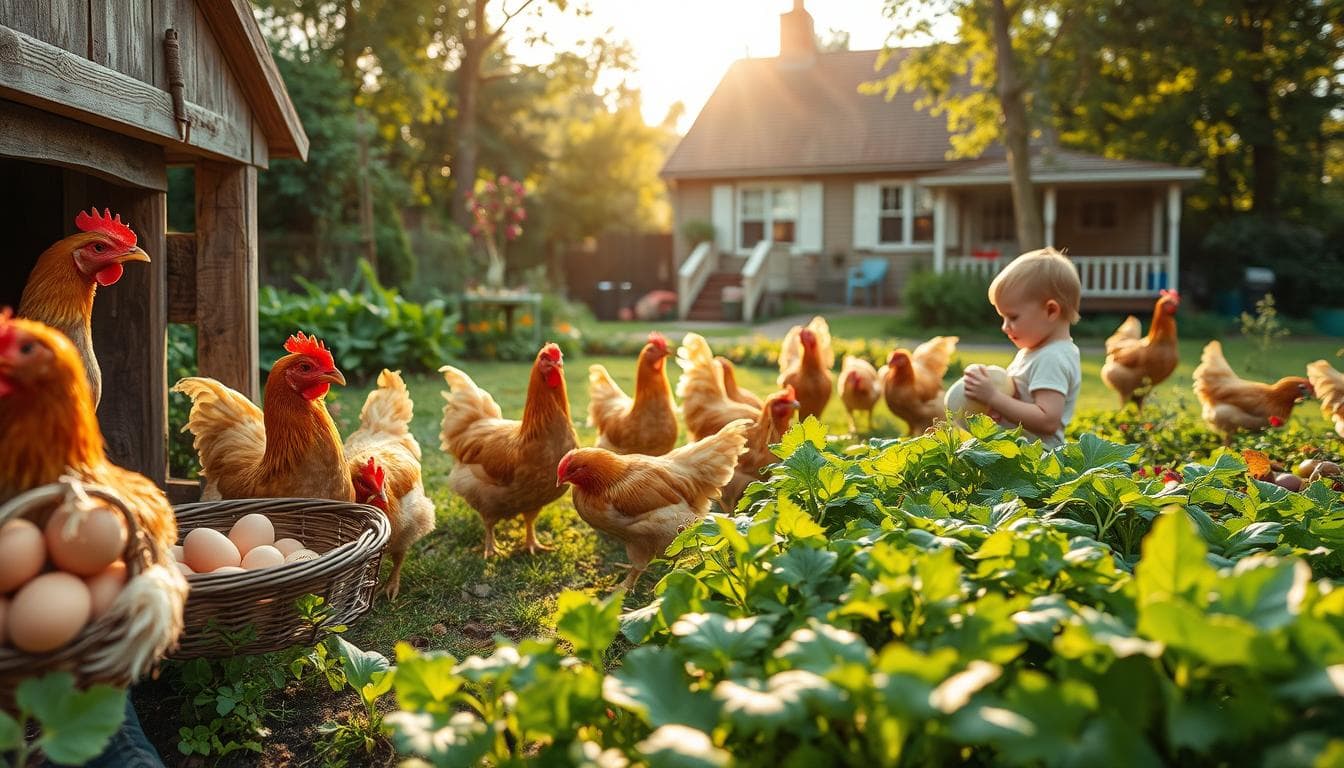
Mark from Self Sufficient Me argues that a small backyard flock can fit into ordinary household life and earn its keep with fresh eggs, less waste, and a little more resilience. That case runs against the familiar folklore that chickens are automatically noisy, messy, and too much work.
What the noise myth gets wrong
Noise is the first fear that stops a lot of beginners, especially anyone imagining irritated neighbors and a constant chorus from the run. The reality is less dramatic than the stereotype. Hens can live in urban and suburban settings, so the noise question matters much less than people assume when the flock is managed well.
Noise is a management issue, not a deal-breaker built into the bird. A first-time owner should expect some sound, just as they should expect a living animal to make itself known. Backyard poultry has already settled into places that are neither farm nor country.
Mess is real, but it is not the whole story
The same goes for the mess complaint, which often gets treated as if a few hens will turn a yard into a disaster zone. That is an exaggerated version of what backyard poultry looks like when people do not prepare for routine care. The more useful question is not whether chickens make a mess, because they do, but whether you can manage that mess in a normal household setting.
Hens are not spotless, and this is not a fantasy of clean feathers and free eggs. The mess is often overstated compared with the real benefits of keeping hens well, especially when you treat the flock as part of the household rather than as a novelty. The dirty part stays manageable with regular cleanup and simple upkeep.
The workload is the part you should respect
Another myth is that chickens are hard because they demand some special keeper identity. The truth is more ordinary. They do require work, and people should understand the work involved rather than expect a fantasy version of chicken keeping.
That is the right frame for a beginner. If you go in expecting hens to be self-running egg machines, disappointment is almost guaranteed. If you go in understanding that daily care is part of the bargain, the job becomes manageable.

Eggs are the payoff, but not a magic trick
Eggs are the reason many people get interested in hens in the first place, and the current appetite for eggs and home food production is part of why the subject keeps getting attention. Still, the useful version of the story does not promise miracle output. It treats eggs as one benefit of a flock that is cared for properly, not as a guarantee that the birds will replace every grocery trip.
Backyard chickens make more sense when you see them as a steady household system, not a shortcut to endless eggs. They can support fresh eggs, but the larger value is that they fit into a practical approach to food, one that is less dependent on a perfect supply chain and more connected to what your own yard can actually produce.
Food independence is the bigger idea
Hens can be part of a practical household strategy that reduces waste, increases resilience, and produces fresh eggs. That is a different promise from the usual backyard-poultry fantasy.
A small flock does not need to be romantic to be worthwhile. It can simply be useful. It can help a household think differently about food, about what gets used, and about how much independence can come from a modest, well-kept setup.
What a first-time owner should actually plan for
Before you bring home hens, ask whether you are ready for a living system that takes some care and gives back in concrete ways. Plan for the work, plan for some mess, and do not overreact to the noise warnings that tend to travel farther than the birds themselves.
Plan around the version of chicken keeping that exists in ordinary yards, not the fantasy version. Backyard chickens can fit into an urban or suburban setting, and they can be productive there, but only if the keeper is willing to treat them as part of daily life.
This article was produced by Prism’s automated news system from verified source data, official records, and press releases, then run through automated quality and moderation checks before publishing. The system is built and supervised by the people who set the standards it runs under. Read our full AI policy.
Did this article answer your question?