Backyard chickens earn new role as compost-making garden helpers
A small flock can turn scraps into compost and clear weedy ground, but manure, timing, and garden protection decide whether chickens help or hurt.
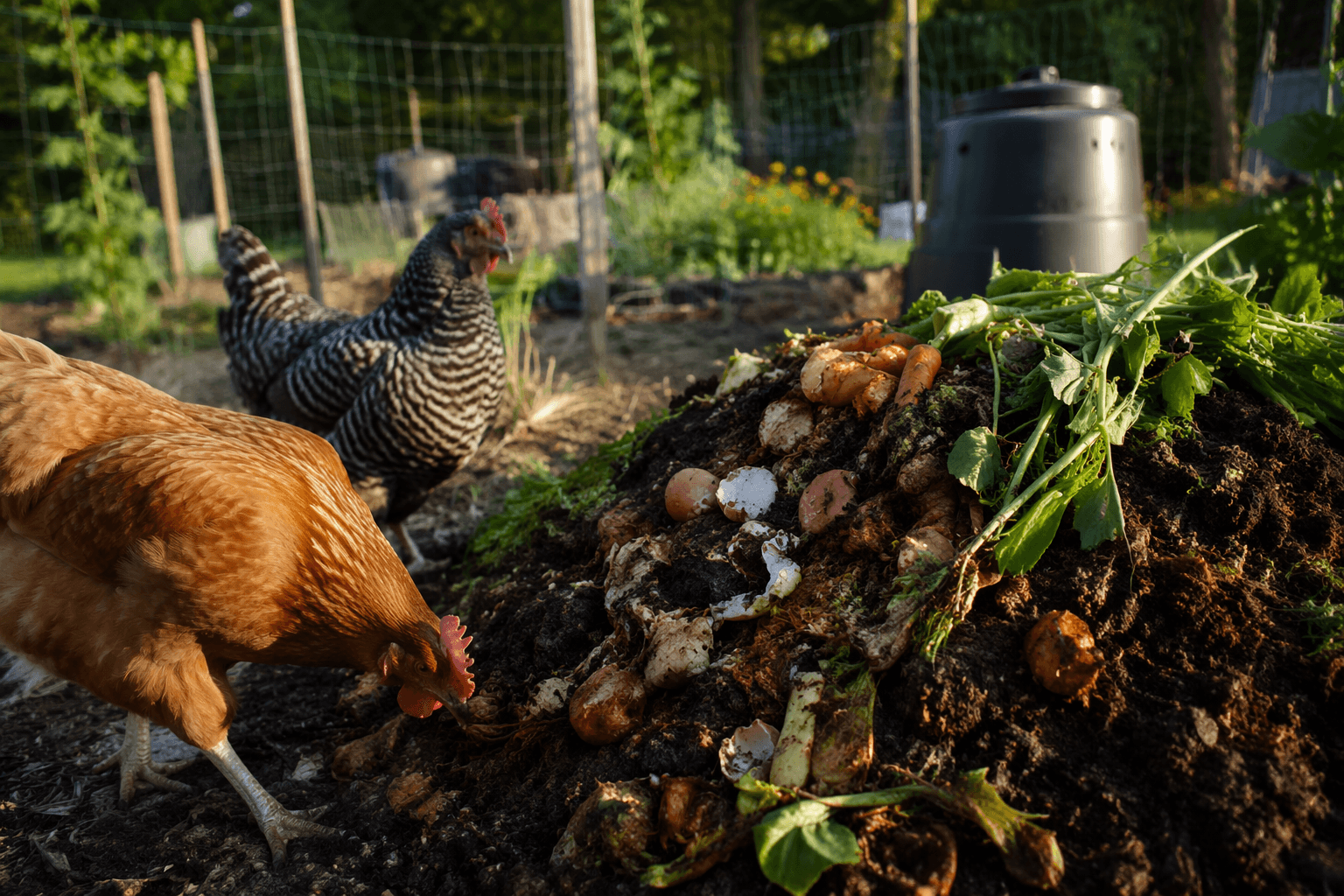
A flock of hens can do more than lay eggs. Put them in the right part of the yard, and their scratching, pecking, and constant searching for seeds and insects can turn garden waste into faster-working compost. The catch is that the same behavior that makes them useful can also tear up beds, spread manure where you do not want it, and leave fresh fertility too hot for young plants.
How chickens become compost workers
The composting idea works because chickens are built to disturb a pile. Chicken-powered composting uses a mound of agricultural scraps and sprouted seeds that birds peck and scratch through, which speeds decomposition. That active mixing matters in a backyard system, where a static heap can sit untouched while a flock keeps moving material, exposing more surface area and breaking apart clumps.
Gardeners can use the birds’ natural digging and scratching when they can do the most good. That usually means putting them to work on weedy ground, on a compost pile, or in a fenced-off section of the yard where they are helping reset an area rather than destroying a bed you just planted.
The timing is part of the system. Before planting season, chickens can be especially useful in a fenced enclosure or chicken tractor, where they clear ground, pick through debris, and help mix in organic matter without roaming into tender seedlings. Leave them loose at the wrong time, and the same flock that improves the compost pile can also rake out seed rows and scratch up newly settled soil.
The numbers that make the tradeoff real
A flock of four hens can eat more than 400 pounds of food waste per year if they are fed only food waste, the Chicago Botanic Garden says.
An average hen produces about one cubic foot of manure every six months, University of Nevada, Reno Extension says. That means even a small flock is steadily generating material that has to be collected, balanced, and aged before it goes near the garden.
Chicken manure is an excellent soil amendment, but cold composting takes longer and works better when manure is composted in discrete batches, Oregon State University Extension Service says. Scattered manure mixed into random piles is harder to age evenly than a contained batch you can turn, monitor, and finish properly.
Where the system goes wrong
The biggest mistake is treating chicken manure like finished fertilizer. Poultry manure is high in nitrogen and phosphorus, and fresh manure can burn plants and interfere with germination if it is not composted or aged correctly, University of Nevada, Reno Extension says. Put it straight on seedlings or a freshly sown bed, and the result can be damage instead of growth.
A second mistake is giving chickens open access to every part of the garden. The birds are useful because they dig and scratch, but that same habit can strip mulch, uproot young plants, and scatter compost where you no longer want it. The practical fix is simple: use them where disturbance is helpful, and keep them away from tender plants when necessary.
Bedding, bedding-heavy litter, and wet manure also need attention because they change how quickly the pile breaks down. In a backyard setting, the safest approach is to keep the compost system organized, with manure and other chicken waste collected into discrete batches instead of left to rot in an unmanaged heap.
What to protect, and when
Chickens can be excellent for clearing weedy ground and incorporating compost, but they should be moved out before a bed is planted and kept away from seedlings that have not established roots. If you want them working for you, the sweet spot is before planting and after harvest, when the soil can absorb their scratching instead of losing crops to it.
The same goes for garden timing around fresh manure. A pile that has not aged long enough should stay out of production beds, especially where you plan to direct sow.
Health, sanitation, and the larger waste loop
Backyard poultry can carry Salmonella even when the birds look healthy and clean, the CDC says, and young children, older adults, and people with weakened immune systems are more likely to get sick from those germs. That means handwashing, clean coop management, and separation between bird areas and food-growing areas are part of the same backyard system.
A doctoral dissertation on backyard chickens found they can help meet municipal solid-waste goals and reduce greenhouse-gas emissions by diverting food waste from landfills. Turning food waste and manure into compost, feed, or energy can cut greenhouse gases while improving soil health, Cornell’s College of Agriculture and Life Sciences says.
Huw Richards has put out a recent YouTube video called “My Simple Backyard Chicken Composting System.”
This article was produced by Prism’s automated news system from verified source data, official records, and press releases, then run through automated quality and moderation checks before publishing. The system is built and supervised by the people who set the standards it runs under. Read our full AI policy.
Did this article answer your question?