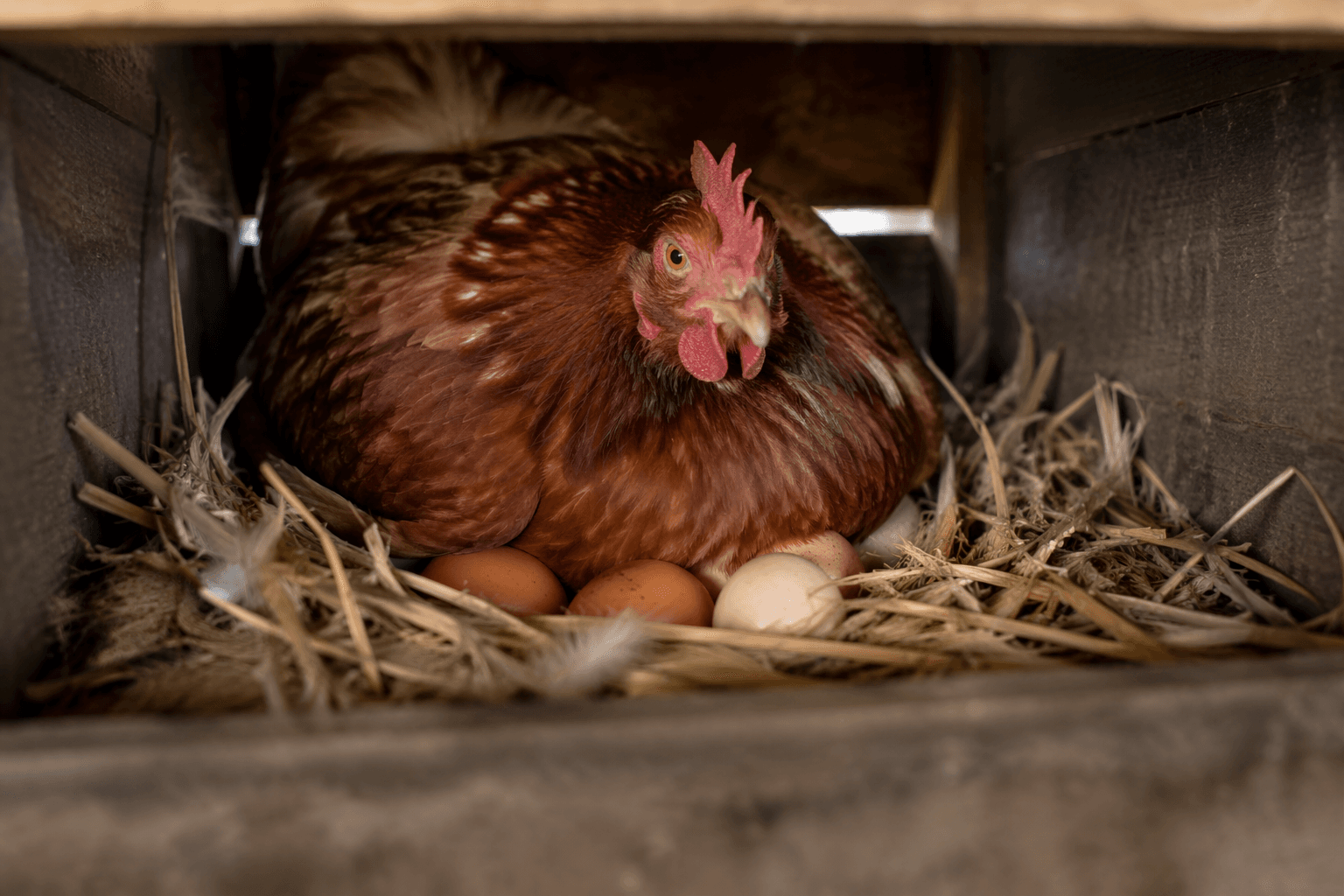
Best coop and run kits for backyard chickens, tested for real flocks
These five coop-and-run kits are judged like real backyard housing, not porch decor. The best one fits your flock size, predators, and cleanup routine.
Backyard chicken keeping has reached the point where the housing decision can make or break the setup. APPA data cited by multiple outlets puts U.S. backyard chicken households at 11 million in 2024, up 28% from 2023 and nearly double the 5.8 million households counted in 2018, which explains why sturdy, enclosed kits are replacing too-small starter pens.
Predator pressure, ventilation, and cleanup are the real filters. Oregon State Extension recommends 1-by-2-inch mesh, wire or netting over the top of the run, and fencing buried 6 inches to 1 foot underground; Virginia Tech says if the run is not predator-proof, birds should be locked up before dark; University of Delaware calls for 2 to 3 square feet per bird inside the coop and 8 to 10 square feet per bird in the run; and Cornell Cooperative Extension says the coop should be enclosed, dry, ventilated without drafts, and fitted with roosts and nest boxes. With avian influenza still in the picture since USDA APHIS first confirmed highly pathogenic avian influenza in commercial flocks on February 8, 2022, the most useful kit is the one that is easier to seal, clean, and keep wildlife out of. APHIS’s Defend the Flock program adds free biosecurity tools and checklists, which matters because CDC warns that backyard flocks can be exposed to infected wild birds and sick poultry can pose a higher risk to people who handle them.
1. COMHOMA metal run
This is the strongest all-around pick for keepers who want a walk-in setup that makes daily chores less awkward. The appeal is practical: easier access means easier cleaning, faster checks for droppings or damage, and less temptation to skip the maintenance that keeps a flock healthy.
2. Quictent model
If weather protection and low-maintenance durability matter most, this is the kit that lands near the top. The roof coverage gives it an edge for rain, snow, and hard sun, which makes it a smart fit for yards where a bare run turns into a mud pit or a shade trap by midsummer.
3. Ariiles large metal run

This one is built for bigger flocks, roughly 20 to 25 birds, and that size target is the headline. It is the better choice when you need durable framing and real weather protection, and the University of Delaware’s run-space guidance makes the point clear: once the bird count rises, cramped housing turns into a health problem fast.
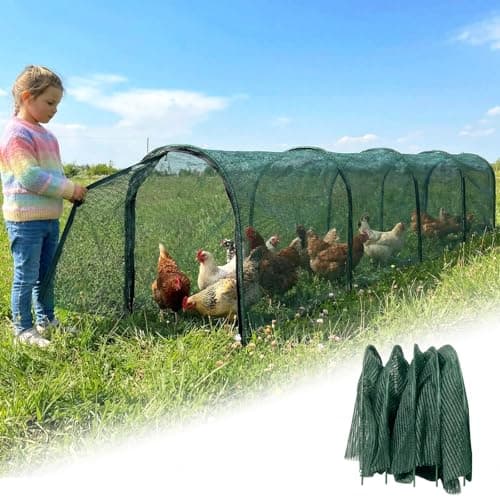
4. Hogarjal tunnel-style run kit
This is the most flexible option in the group, especially if you want a lightweight, adaptable layout with built-in shade and a direct connection to the coop door. It is a sensible fit for renters, families who may expand the flock later, or anyone who wants a system that can change shape without starting from scratch.
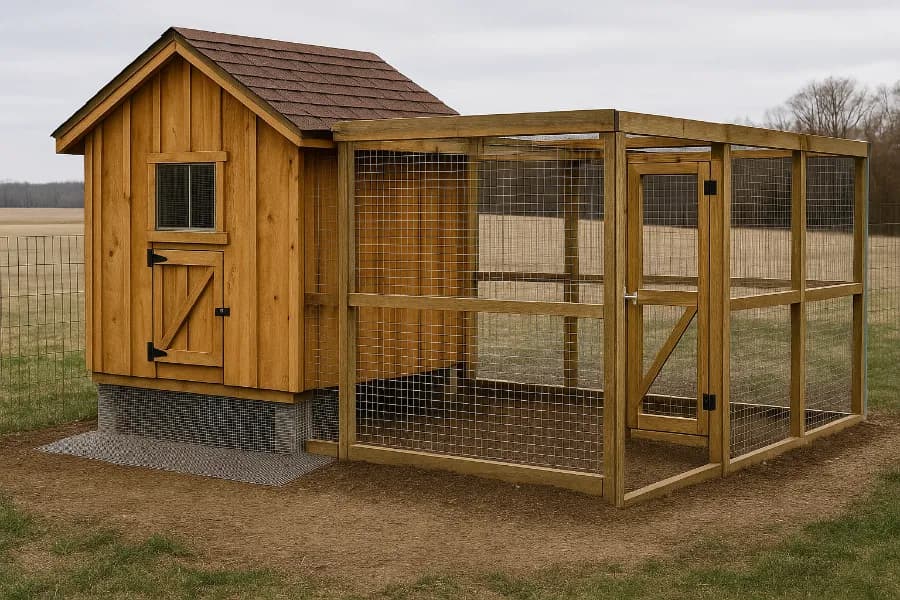
5. GOJOOASIS wooden coop
For smaller flocks of two to four birds, this is the most traditional-looking choice and the one most likely to appeal if the coop has to sit in plain view of the house. The size limit matters, though, because once a flock outgrows that footprint, the pretty option can become the one that creates the biggest upgrade bill.
The common thread in all five picks is that a coop is not just a box with a roof. The better buy is the one that matches the birds you actually plan to keep, gives them enough room to move, and closes the gaps predators and weather can use when the coop looks cute but acts fragile.
This article was produced by Prism’s automated news system from verified source data, official records, and press releases, then run through automated quality and moderation checks before publishing. The system is built and supervised by the people who set the standards it runs under. Read our full AI policy.
Did this article answer your question?