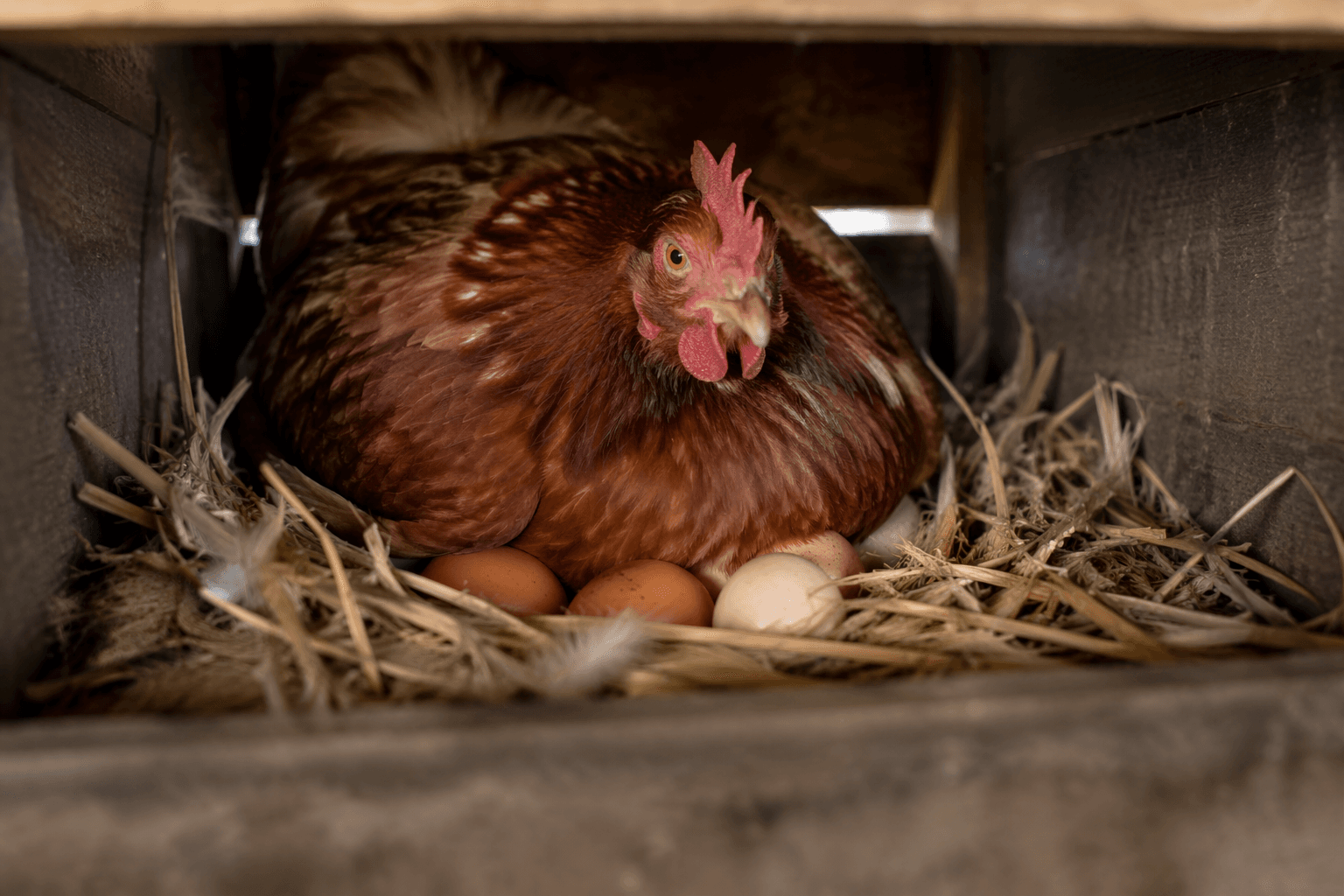
Box Elder weighs three backyard chicken ordinance options after public poll
Box Elder's three chicken drafts run from no permit and no hen cap to a six-hen limit and annual renewals, after 313 residents backed the idea and 138 opposed it.

Box Elder’s backyard chicken debate has moved from whether hens belong in town to how tightly the city wants to manage them. At the June 16 Finance, Legal and Public Safety Committee meeting, Director of Planning and Zoning Lauralee Patton laid out three draft ordinance versions after 451 residents weighed in on the question, with 313 ballots supporting backyard chickens and 138 opposing them.
That public push started with two input meetings on April 20 and April 27 at 6:00 p.m. at the Community Center next to City Hall, where the city’s Chicken Task Force gathered comments and helped drive the poll. The task force included city council members, city staff, law enforcement and community representatives, and the council then directed staff to draft an ordinance. Box Elder also adopted Ordinance No. 791 on May 5, amending Chapter 22, Nuisances, of the municipal code, showing the city was already tightening parts of its code as the chicken discussion advanced.
For a typical household that wants hens mainly for eggs, Option A is the lightest lift. It would allow backyard chickens without permits, annual renewals or a limit on the number of birds, though roosters would still be banned. Enforcement would stay complaint-driven under existing nuisance and animal control rules, which makes it the easiest path for a beginner but also the one with the least built-in protection if a neighbor starts calling in complaints.
Option B is the middle ground. It would require permits in most residential and mixed-use zoning districts, tie the flock limit to property size, require consent from adjacent property owners and add restrictions on coop placement, while exempting agricultural and rural residential districts from permitting. In practice, that means more paperwork and more neighbor-facing planning than Option A, but less long-term burden than a yearly renewal system.

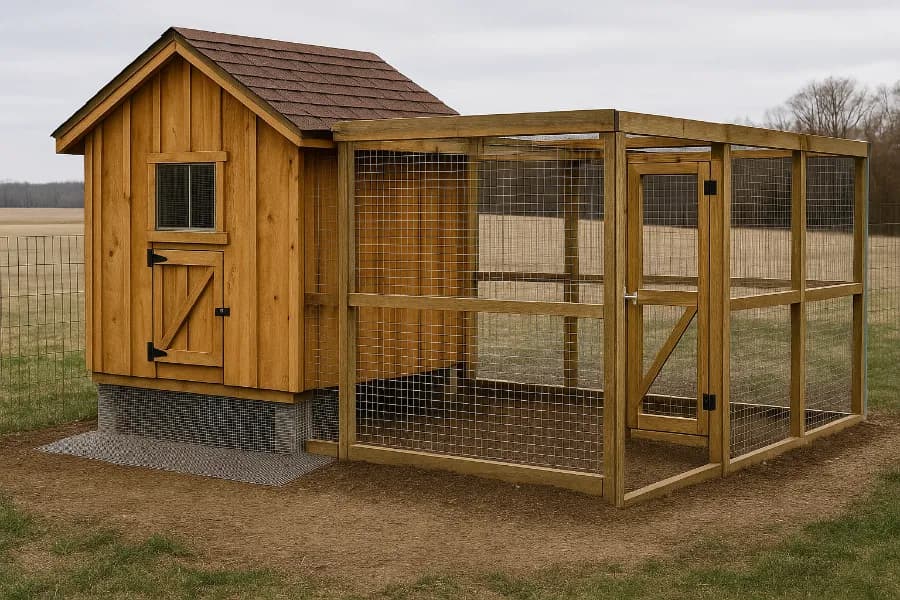
Option C is the most restrictive. It would keep the permit and neighbor-consent requirements from Option B, then add annual renewals, a six-chicken limit, stricter standards for coops and enclosures, limits on selling eggs or related products, and more inspection and compliance work that could require additional city staffing. Patton said it was closely aligned with Rapid City’s recently adopted ordinance, and it is the version most likely to calm enforcement concerns while asking the most from keepers.
Box Elder’s Planning and Zoning Department already handles code enforcement tied to public health and safety, and the city’s planning documents say its zoning code uses permitted uses, minimum lot sizes, layout requirements and overlay districts. That makes Option B look like the best fit for a starter flock, because it gives households legal room for hens without turning every coop into a permit-heavy project. For Box Elder, the real decision is not just whether chickens are allowed, but how much rulebook should follow the coop.
This article was produced by Prism’s automated news system from verified source data, official records, and press releases, then run through automated quality and moderation checks before publishing. The system is built and supervised by the people who set the standards it runs under. Read our full AI policy.
Did this article answer your question?