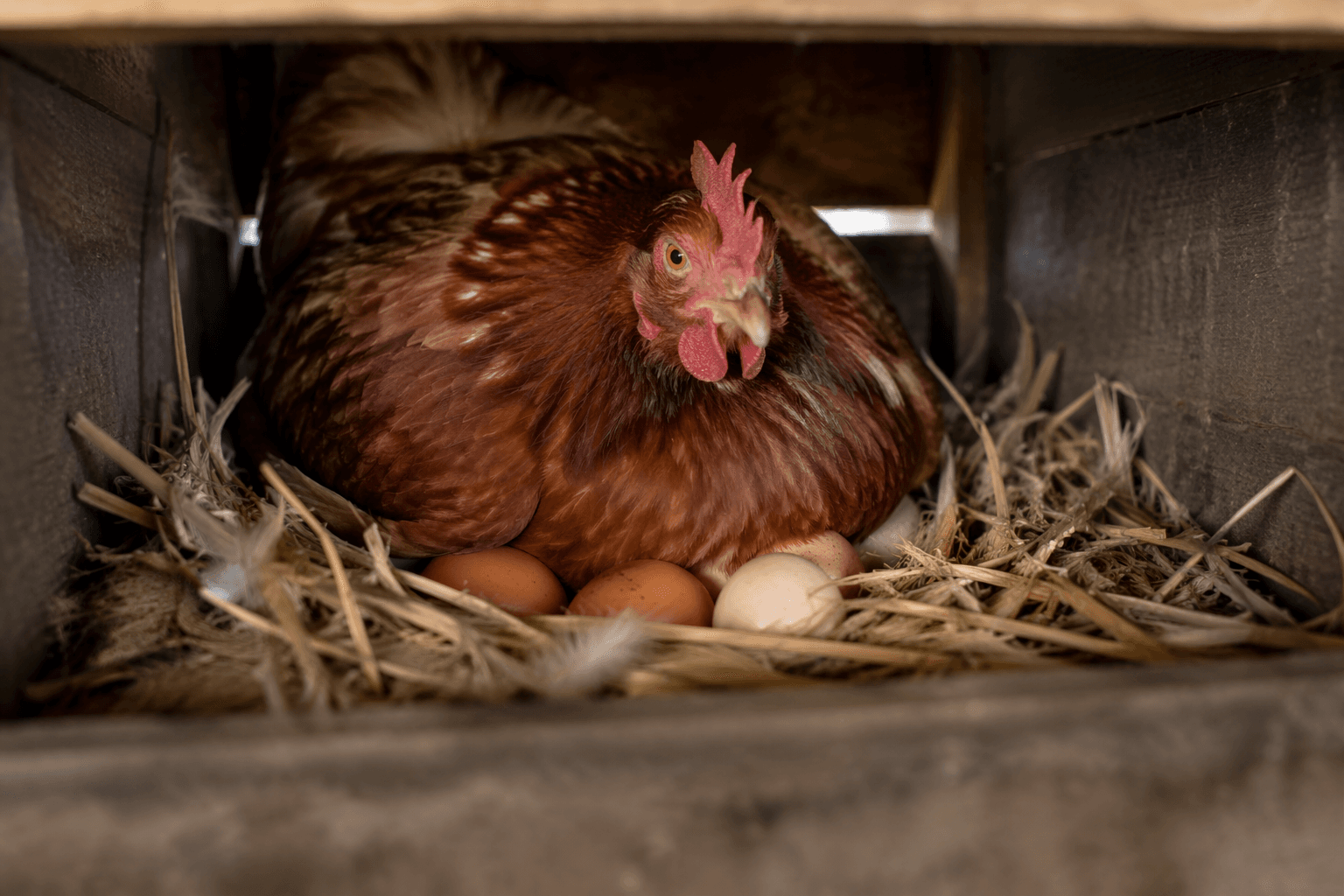
Casselberry considers allowing backyard hens after petition grows to 750 signatures
Casselberry’s hen dispute reached 750 signatures and forced commissioners to pause enforcement while they weighed a backyard-chicken ordinance. The fight now centered on limits, coop rules and how the city handles complaints.

Casselberry’s hen fight stopped being a one-yard dispute once Lindsay Feist’s petition topped 750 signatures and city commissioners moved to test a backyard-chicken ordinance. The real question for suburbs watching the case was no longer whether one family wanted hens, but whether officials were ready to trade a blanket ban for clear rules on flock size, coop standards and enforcement.
The Casselberry City Commission had a regular meeting Monday at 5:30 p.m. at 95 Triplet Lake Drive, where staff were expected to present findings on whether residents should be allowed to keep hens inside city limits. Commissioners had already paused enforcement of the current prohibition and directed staff to draft a possible ordinance, a signal that the debate had moved from complaint to policy. Casselberry code-compliance officials also said anonymous complaints are not allowed under Florida law, and that violations can go before a special magistrate with fines of up to $250 a day until compliance.
Feist’s case gave the issue its spark. A city employee reportedly spotted her coop from a service road, and the notice was delivered to her teenage son, giving her 10 days to remove the birds or face a fine. Feist said she had believed she was following the rules when she started keeping the hens and only later learned they were prohibited. Rather than give up the flock quietly, she organized neighbors, gathered signatures and pressed for a formal change in the code.

The response around her was more practical than ideological. Nearby neighbor comments reported in local coverage were supportive, with one neighbor saying the hens were quiet and that his family enjoyed the eggs Feist shared. Another said he had not even noticed the chickens before the dispute and found street noise from children and dogs louder than the hens. That is exactly the kind of comparison that often shapes suburban chicken policy: not just whether birds exist, but whether they create a measurable nuisance.
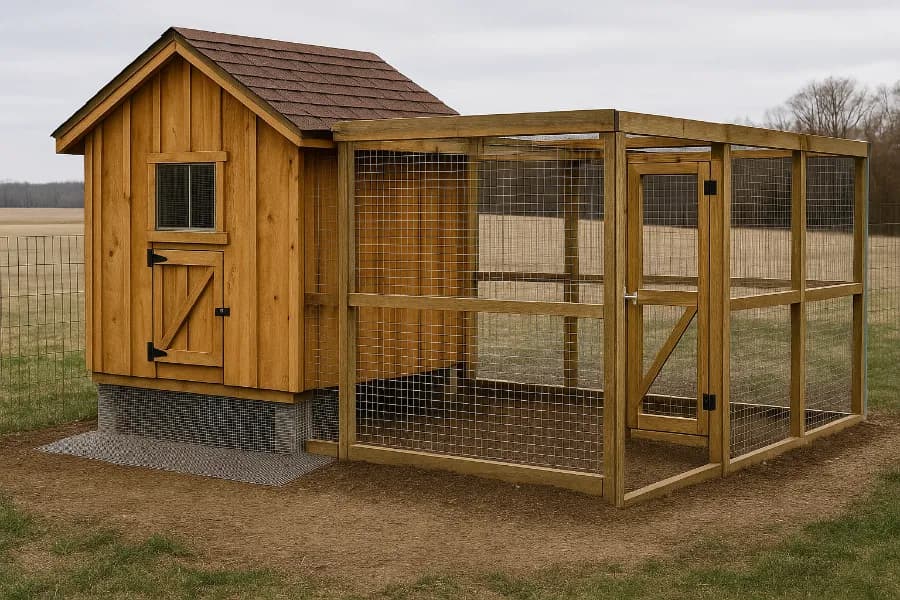
Casselberry was not starting from scratch. Seminole County has allowed backyard chickens in unincorporated areas since June 12, 2018, with up to four chickens, no roosters and coop standards that address size, ventilation, predator protection and wind resistance. Longwood also allows backyard chickens under City Code Section 14-5, and Orlando has allowed up to four chickens since a 2016 ordinance that requires a permit and education course. Casselberry’s next decision will show whether it follows that same hens-only model or keeps the ban in place with teeth.
This article was produced by Prism’s automated news system from verified source data, official records, and press releases, then run through automated quality and moderation checks before publishing. The system is built and supervised by the people who set the standards it runs under. Read our full AI policy.
Did this article answer your question?