CDC links backyard poultry to 8 Salmonella outbreaks, 513 illnesses
Eight backyard-poultry Salmonella outbreaks sickened 513 people, and a quarter of cases were children under 5. Ducks were a major signal, putting coop hygiene in sharp focus.
Backyard flocks are back in the center of a national Salmonella warning, this time across eight multistate outbreaks tied to contact with birds that may look perfectly healthy. The Centers for Disease Control and Prevention said 513 people had gotten sick, 134 had been hospitalized and one person had died, with illnesses reported across 42 states and a U.S. territory. A quarter of the sick people were under age 5, a reminder that the coop can become a household risk when children are part of the routine.
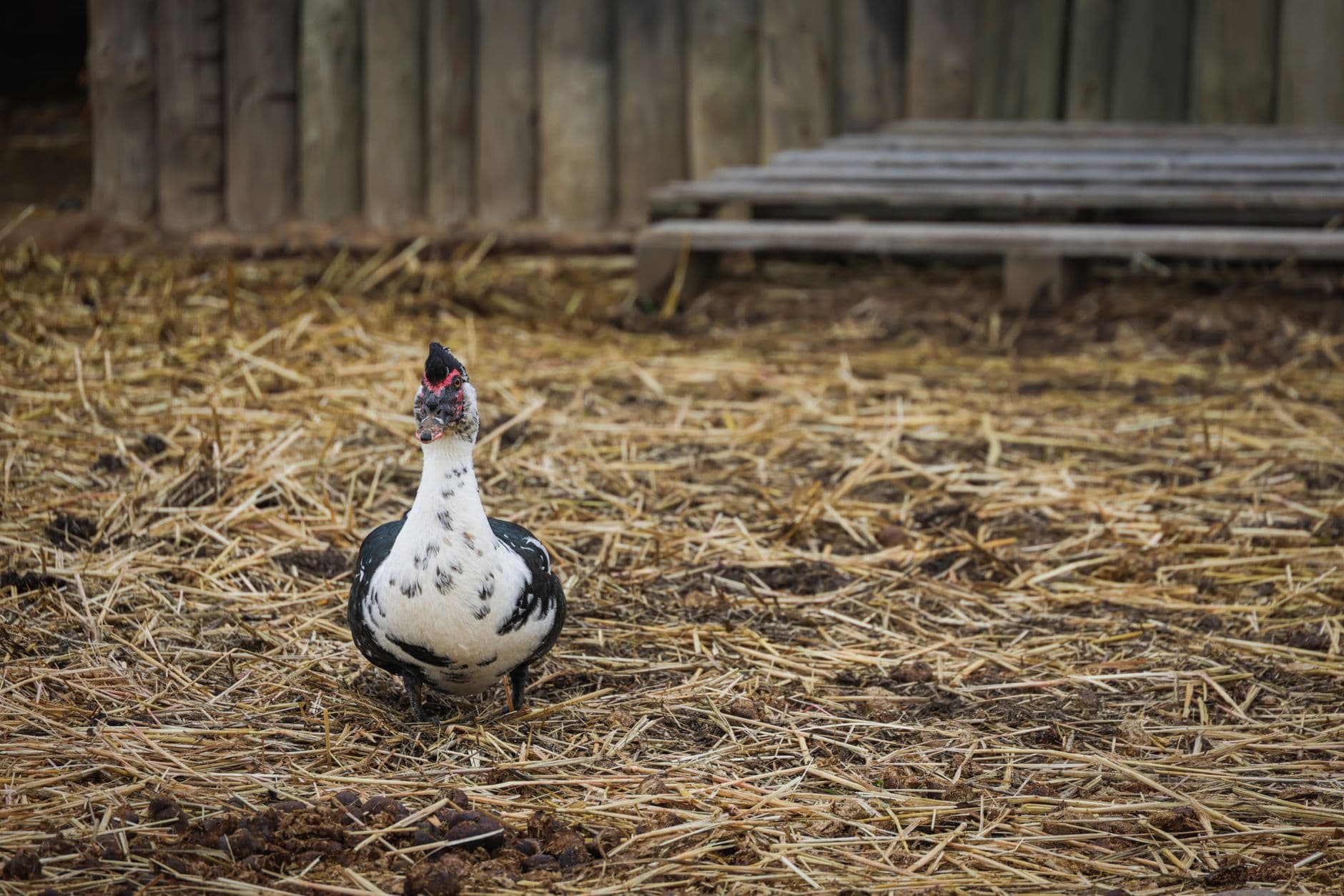
The illnesses started between January 20 and May 22, 2026, and the agency said 329 new illnesses had been reported since its May 14 update. The largest outbreak stood out because an unusually high number of people reported contact with ducks, underscoring that the warning reaches beyond chickens alone. Backyard birds can carry Salmonella even when they appear clean and healthy, and the bacteria can spread to coop surfaces, feed containers, clothing, hands, and the gear that moves in and out of the yard.
CDC’s prevention advice was direct and practical. Wash hands right after handling birds, eggs, or anything in the area where they live and roam. If soap and water are not available, use hand sanitizer, and keep it near the coop if possible. Do not kiss or snuggle backyard poultry, do not eat or drink around them, and keep flock-care supplies outside the house so they can be cleaned outside too. Children need extra protection: kids under 5 should not handle chicks, ducklings, or other backyard poultry, and they should not spend time in areas where the birds live and roam.
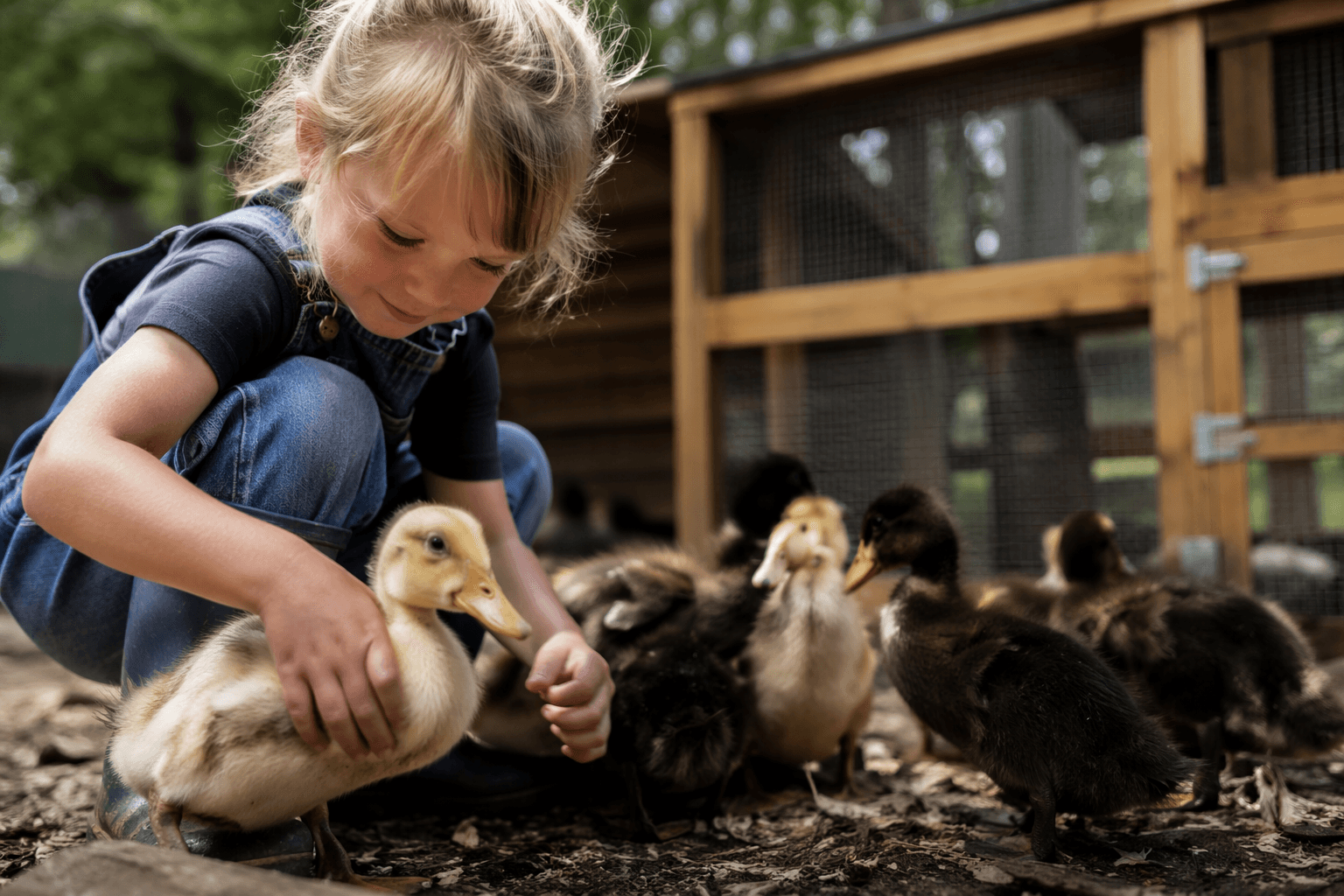
Egg handling matters just as much. Collect eggs often, throw away cracked eggs, do not wash eggs because water can pull germs inside the shell, refrigerate them promptly and cook them fully to 160 degrees Fahrenheit. That kind of routine turns from habit to health measure when birds are part of the yard and the kitchen sits only a few steps away.
The outbreak has been unfolding in stages. On May 14, CDC said 184 people in 31 states had been sickened, with 53 hospitalizations and one death in Washington state, and 150 more people across 18 new states had been added. Earlier outbreak strains were linked to five hatcheries, and state and local public health officials have been working with hatcheries to notify new poultry owners and control spread at the source.
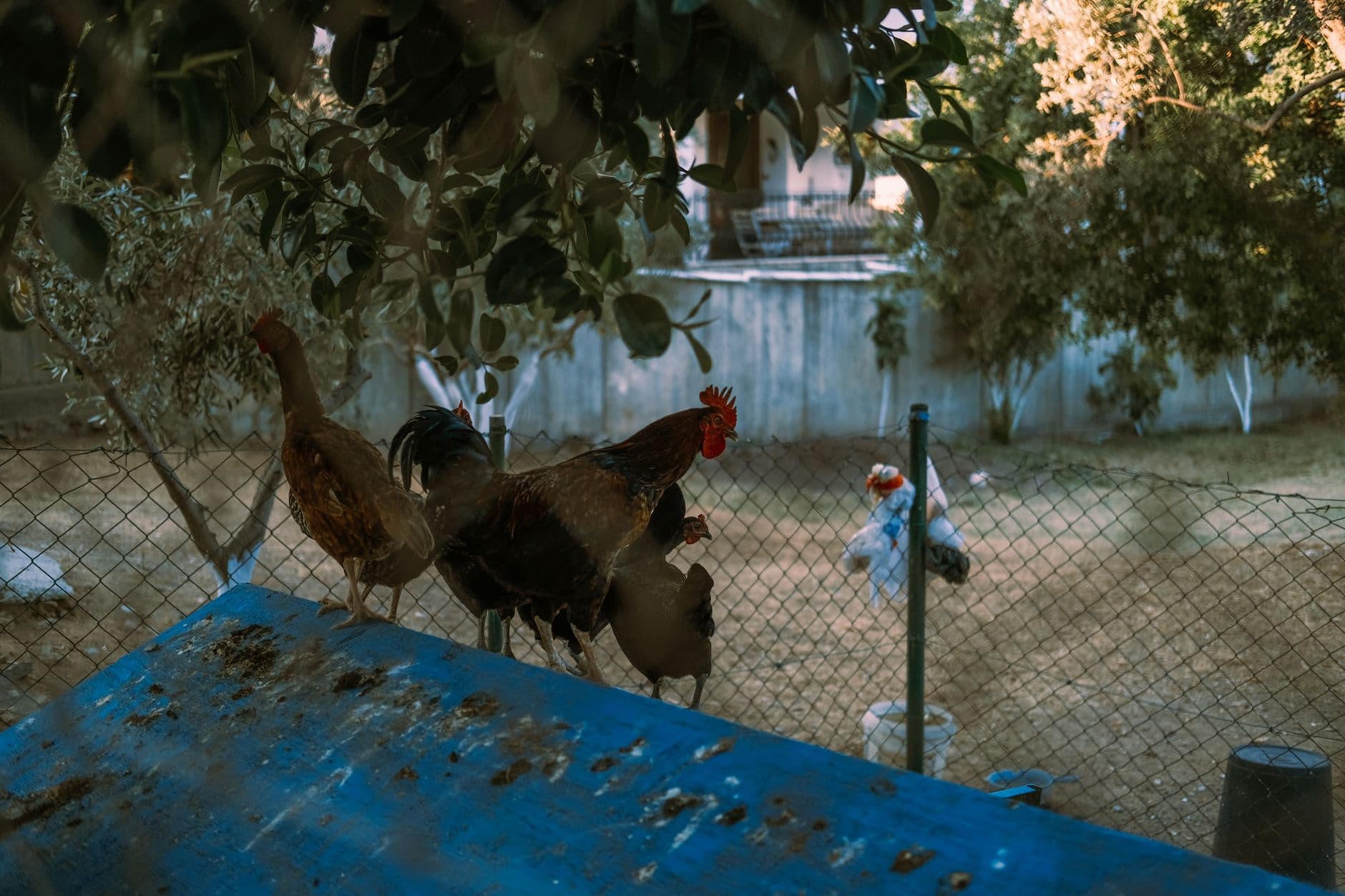
For backyard keepers, the message is plain: the danger does not end with a bird that looks fine. In a flock that feels familiar, the safest habit is still the simplest one, keeping Salmonella out of hands, shoes, clothing, eggs and the house itself.
This article was produced by Prism’s automated news system from verified source data, official records, and press releases, then run through automated quality and moderation checks before publishing. The system is built and supervised by the people who set the standards it runs under. Read our full AI policy.
Know something we missed? Have a correction or additional information?
Submit a Tip