Solana Beach weighs looser rules for backyard chickens and beehives
Solana Beach is weighing chicken and beehive changes that could open low-medium density neighborhoods, replacing a 20,000-square-foot lot rule and a total bee ban.
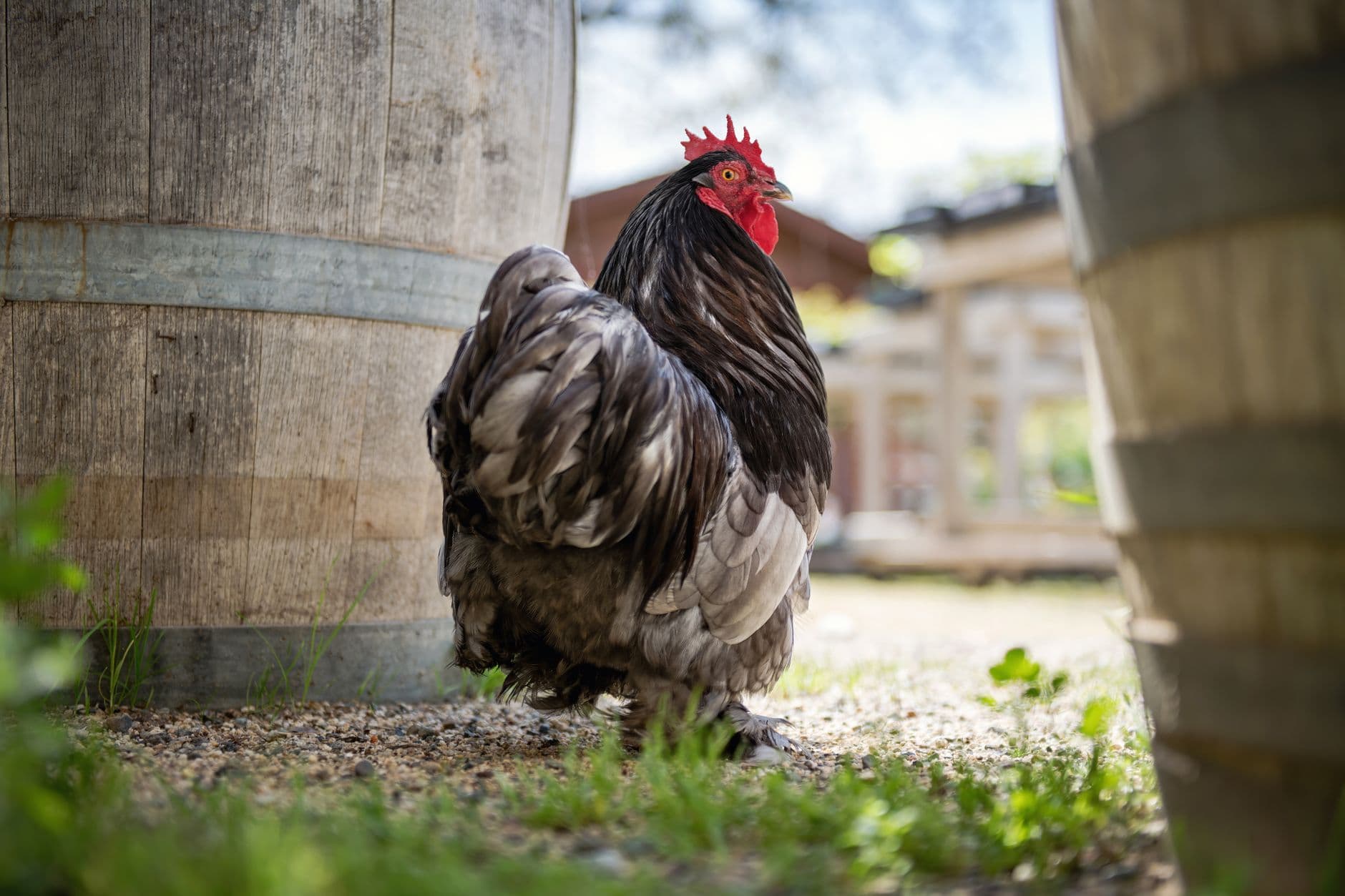
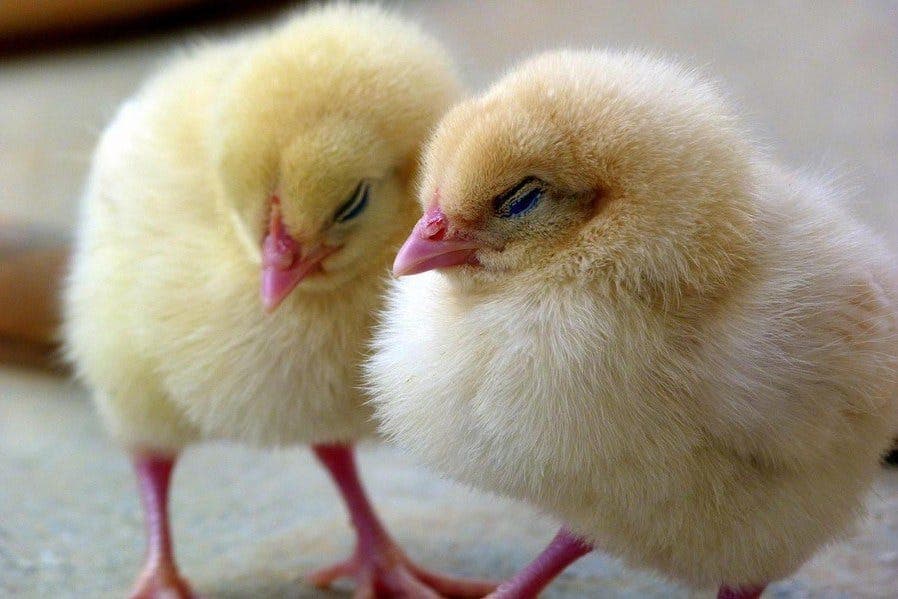
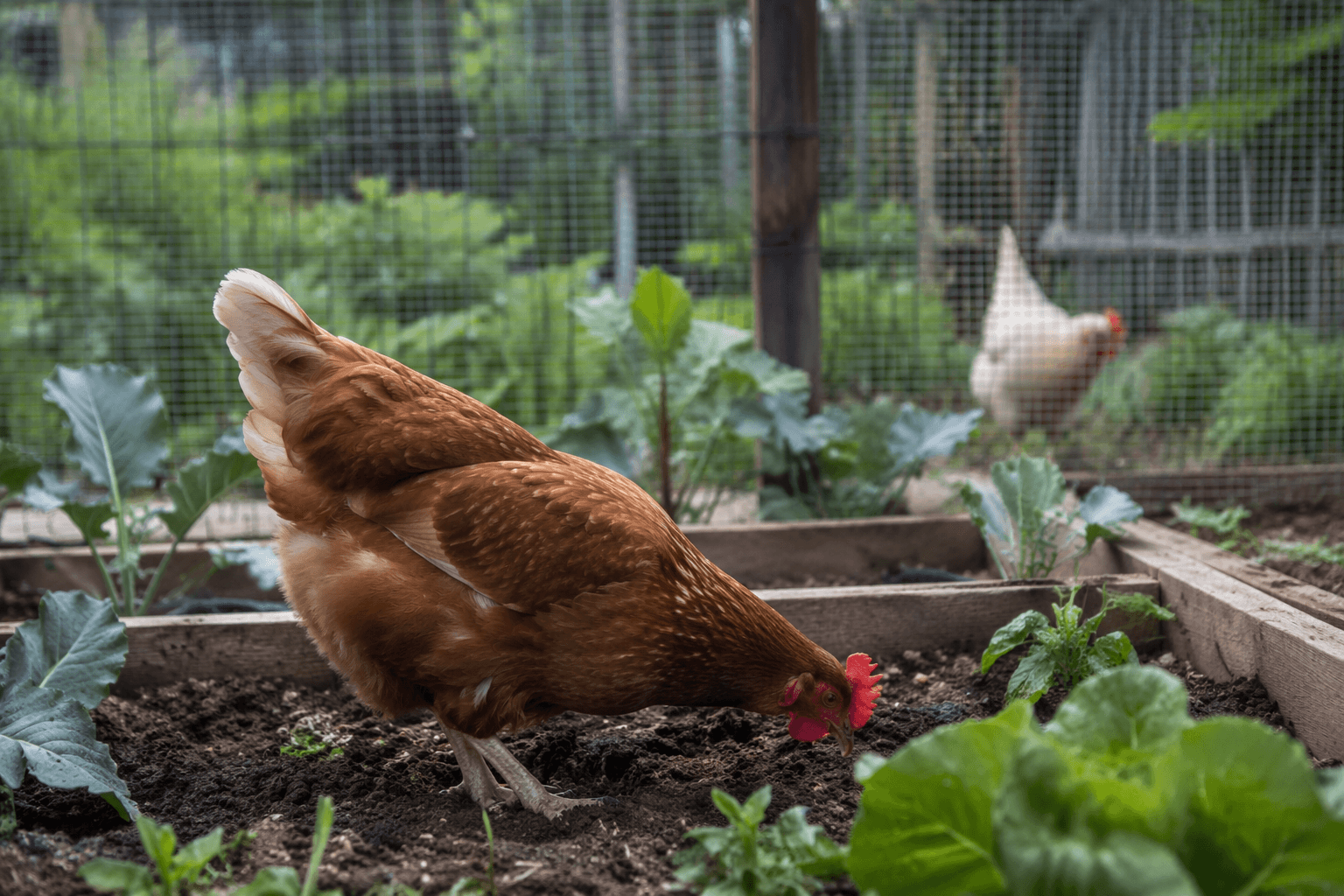
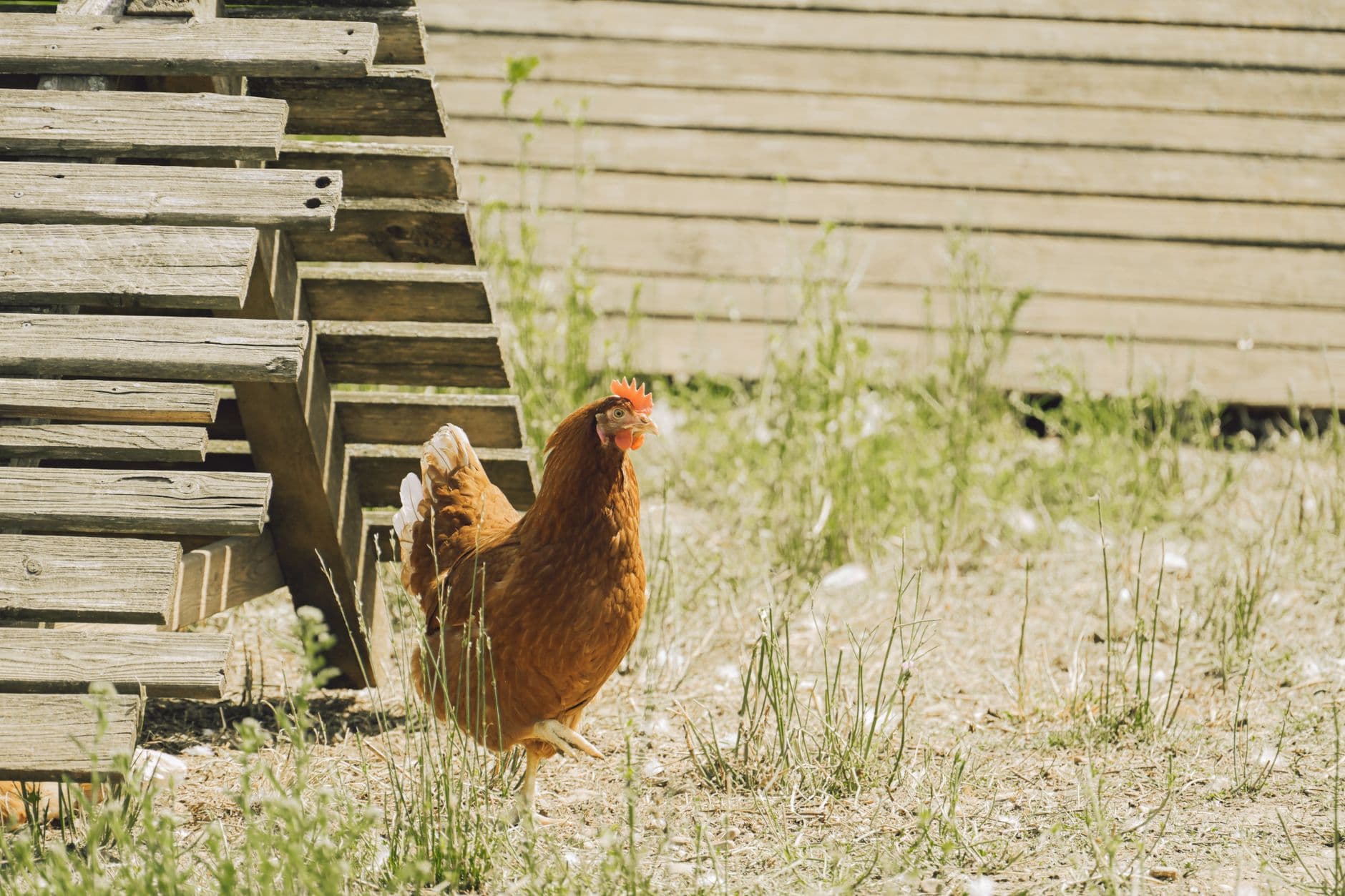
Solana Beach is moving toward a rewrite of its urban-agriculture rules that could put backyard chickens and beehives within reach of far more homes. The City Council gave initial feedback at its June 10 meeting, and the current code still limits chickens to estate residential and low residential zones on lots of at least 20,000 square feet, with 2,000 square feet required for each bird, while bee boxes and maintained hives are banned in residential areas altogether.
City staff said the proposal is meant to make urban agriculture more accessible, especially in neighborhoods where residents are already keeping birds or hives despite the restrictions. Councilmember Dave Zito said he has heard from many residents who want to keep chickens and supports expanding the rules to allow coops in neighborhoods. Mayor Lesa Heebner said her husband keeps three beehives on their property that are technically illegal under the current code and described beekeeping as a hobby that supports pollination and can also produce honey.

The stakes are bigger than a simple code cleanup. Solana Beach’s municipal code is current through Ordinance 540, passed Jan. 14, 2026, so any change would mark a new layer in the city’s zoning framework. The city’s residential zones are meant to implement the general plan, and the estate residential zone is described as semirural estate lots of one-half acre or larger, which helps explain how tightly the existing chicken rule has fenced off most backyards. Staff recommended opening access to low-medium density residential zones for chickens, a change that would substantially expand the number of homes that could legally keep birds.
Bees would be an even bigger shift. UC Agriculture and Natural Resources lists Solana Beach as a city where apiaries are not allowed in residential zones, and California law requires beekeepers to register bees. Nearby San Diego took a different path in 2012, allowing residents of single-family homes, community gardens and retail farms to keep two beehives, with a setback standard that places a one- or two-hive apiary outside setbacks or at least 15 feet from the property line and 20 feet from the public right-of-way, whichever is greater. Beekeepers there also register hives with the County of San Diego Department of Agriculture, Weights and Measures.
Solana Beach officials pointed to Encinitas, Oceanside, El Cajon and San Diego as examples of a broader regional trend, not an isolated experiment. The city’s own code-enforcement posture emphasizes keeping Solana Beach safe, healthy and desirable, so the next draft will likely have to balance backyard food production and pollinator habitat against the neighborhood concerns that always come with birds, boxes and fences. Formal updates are expected in the coming months, and the council-meeting portal will be the place to track the agendas, videos and archived staff reports as the rewrite takes shape.
This article was produced by Prism’s automated news system from verified source data, official records, and press releases, then run through automated quality and moderation checks before publishing. The system is built and supervised by the people who set the standards it runs under. Read our full AI policy.
Know something we missed? Have a correction or additional information?
Submit a Tip