Penn State warns backyard chickens can contaminate home gardens
Penn State’s garden food-safety update put backyard hens in the contamination picture, warning that roaming birds can spread Salmonella into produce beds and compost.
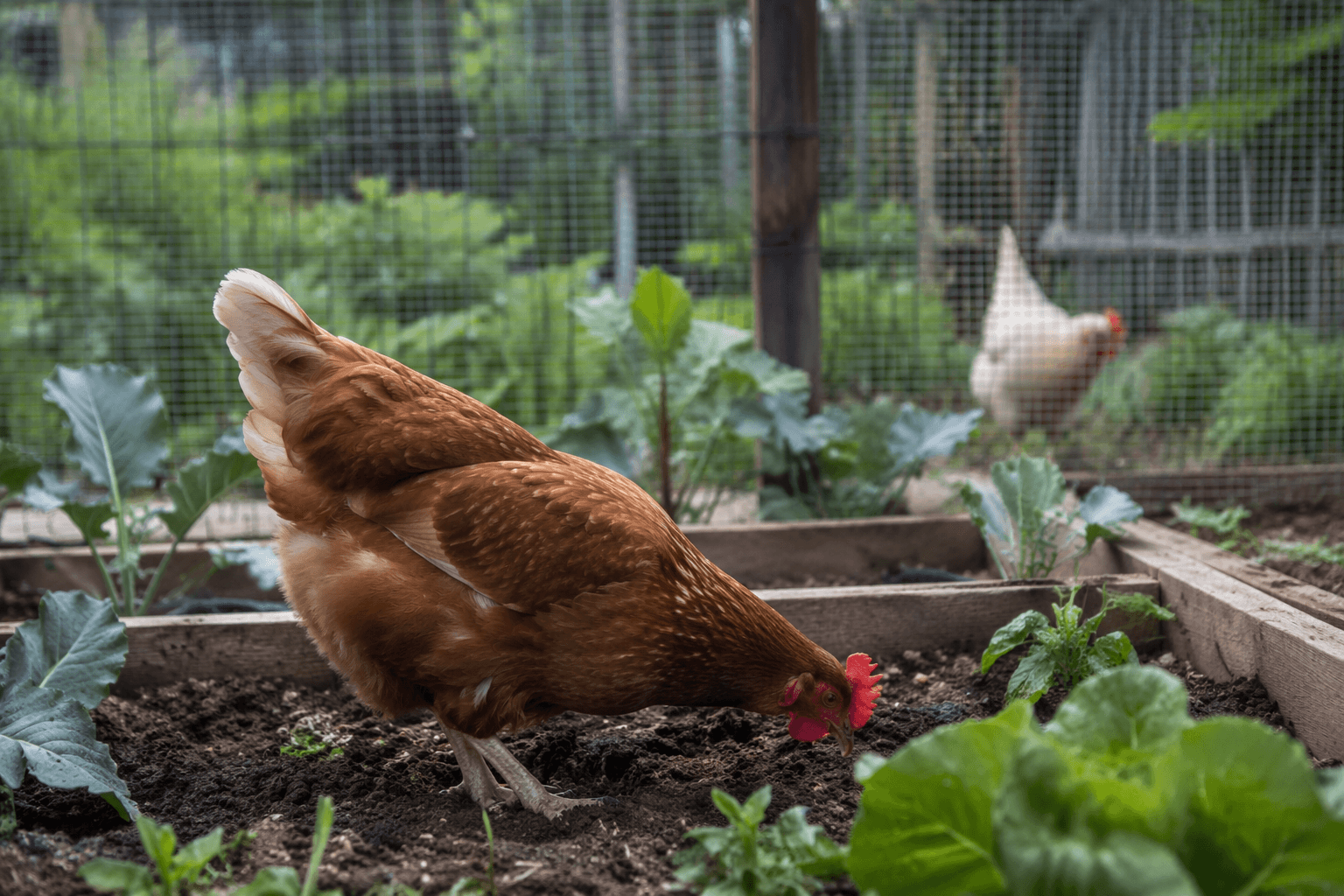
Backyard chickens can do more than scratch up mulch and peck at seedlings. Penn State Extension’s updated home-garden food safety guidance flagged hens as a contamination risk, warning that birds can move Salmonella and other pathogens into the same spaces where people grow lettuce, carrots and herbs.
The guidance said produce can be contaminated at any stage before harvest. It named Salmonella, E. coli and Campylobacter as examples of harmful microorganisms that can enter a garden through animals, poultry, wildlife, contaminated tools and poor hygiene. Maria Gorgo-Simcox, a Penn State educator, said many people assume food-safety rules only apply to commercial farms, but the same principles apply in backyards and community plots.
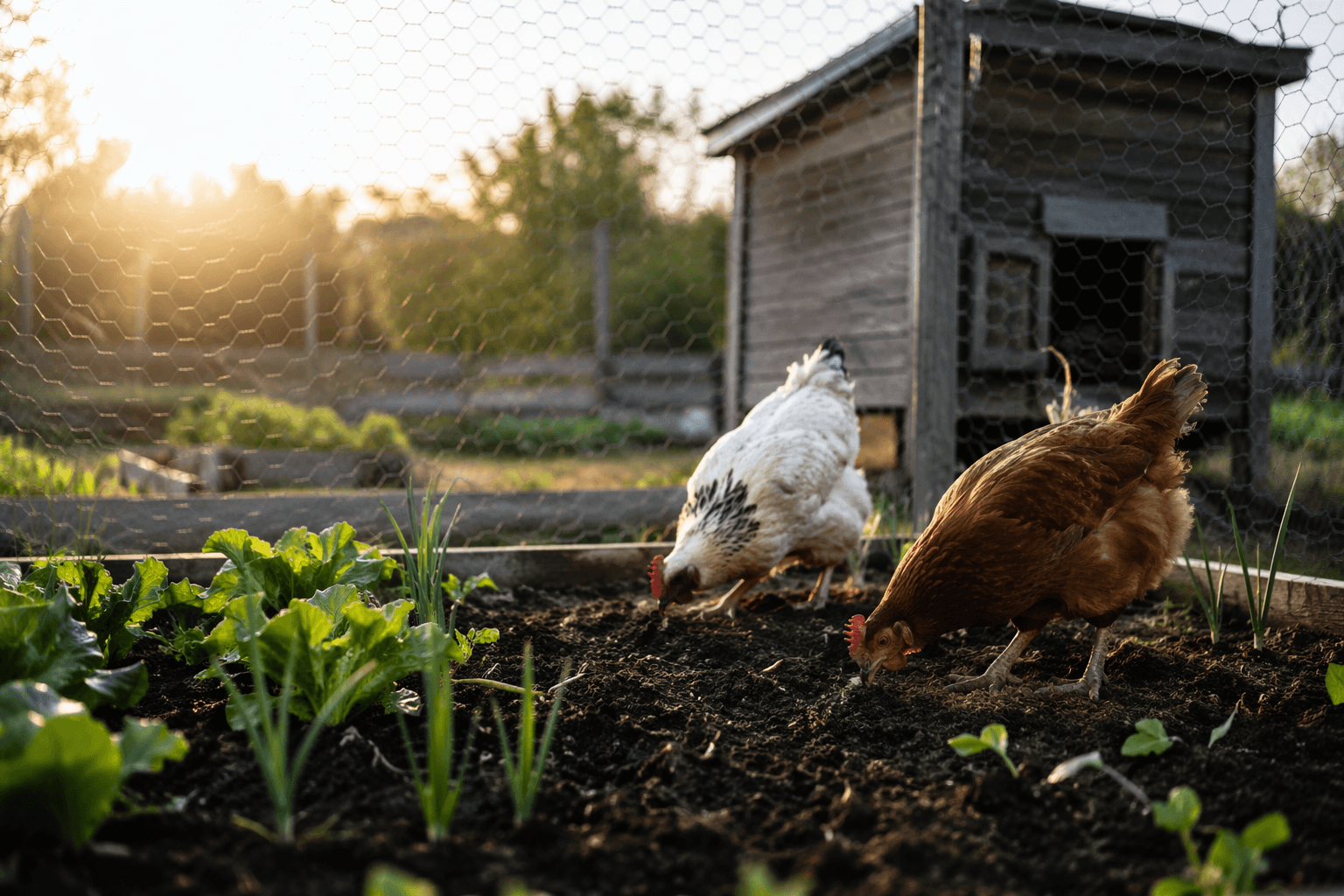
Backyard poultry stood out in the warning because chickens can carry Salmonella and other pathogens without looking sick. That matters when birds wander near vegetable beds, compost piles or other growing areas, especially in mixed-use yards where the flock and the garden share fence lines, paths and runoff. Low-growing crops such as leafy greens, strawberries, carrots, radishes and herbs are especially vulnerable if animal waste is nearby.
Penn State advised keeping animals out of growing areas whenever possible, removing waste promptly and washing hands before harvest. It also recommended physical barriers such as fencing or raised beds, along with avoiding produce that has come into direct contact with animal feces. For backyard flock owners, that means treating the coop, chicken run and vegetable patch as separate systems, not one shared space.
The warning matched a broader public-health pattern. The Centers for Disease Control and Prevention has said backyard poultry like chickens and ducks can carry Salmonella even if they look healthy and clean, and it advises washing hands for 20 seconds after touching birds, their supplies or eggs. The CDC has also warned that fruits and vegetables can be contaminated by soil, water or fertilizer containing animal feces or uncomposted animal waste, while the Food and Drug Administration has identified raw manure from chickens and other animals as a produce-safety concern.
Recent CDC outbreak numbers showed why the overlap matters. In 2024, the agency reported 470 illnesses linked to backyard poultry across 48 states, with 125 hospitalizations among 378 people with available information and one death in Minnesota. In 2025, it reported 559 illnesses, 125 hospitalizations and two deaths in multistate backyard-poultry outbreaks. By June 2026, public health officials were tracking eight multistate Salmonella outbreaks tied to backyard poultry, and about a quarter of the sick people were children under 5. That makes the line between the chicken run and the salad bed worth guarding.
This article was produced by Prism’s automated news system from verified source data, official records, and press releases, then run through automated quality and moderation checks before publishing. The system is built and supervised by the people who set the standards it runs under. Read our full AI policy.
Know something we missed? Have a correction or additional information?
Submit a Tip