Penn State updates chick brooding guide for healthier backyard flocks
Penn State’s updated brooding advice warns that chicks outgrow starter spaces fast, and crowding can trigger piling, pecking and stress if you do not expand early enough.
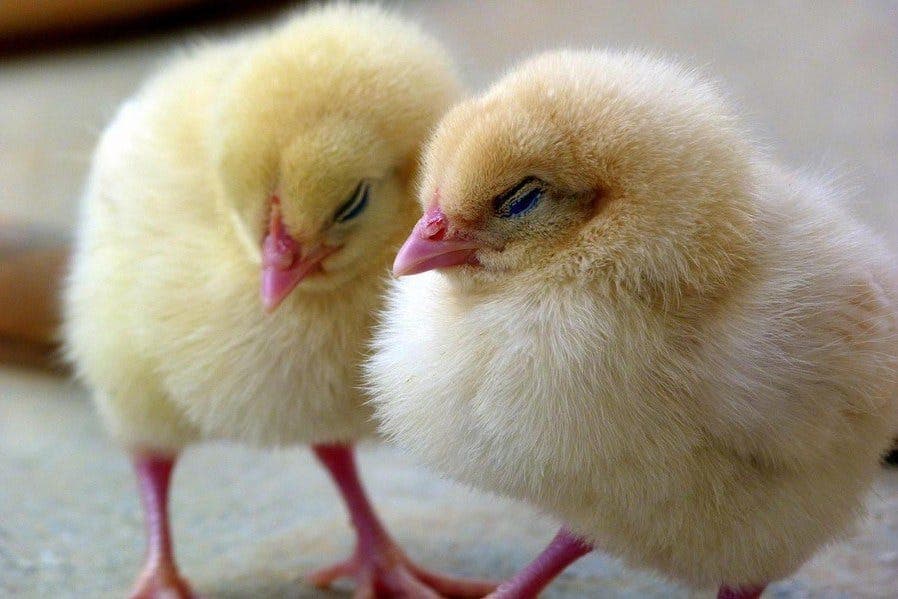
Penn State Extension’s refreshed chick brooding guidance starts with a warning every new chicken keeper learns the hard way: baby birds do not stay baby birds for long. A setup that feels roomy in week one can become cramped, too warm, and stressful almost overnight, and that is when piling, pecking, and other welfare problems start to creep in.
Why small brooders fail so quickly
The first mistake is usually simple optimism. A ten-gallon aquarium and a quart-size chick waterer may work for the first week or two, but Penn State says they are not appropriate beyond roughly two weeks of age. By then, chicks are eating more, drinking more, and taking up more floor space than a makeshift setup can comfortably handle.
That is why the guide pushes keepers to think ahead before bringing chicks home. Space is not just about whether the birds can stand up and turn around. It also shapes how easily they can reach feed and water, how evenly they stay warm, and how much stress builds up when they are pressed too close together.
Size the brooder by growth stage, not by guesswork
Penn State’s laying-flock guidance gives backyard keepers a practical benchmark: start chicks at about 0.5 square foot per bird for the first 6 to 8 weeks, then move to at least 1.5 square feet per hen as they grow into adult housing. That change matters because chicks that fit neatly under a heat source in the first week become active, pushy birds long before the coop feels crowded to the human eye.
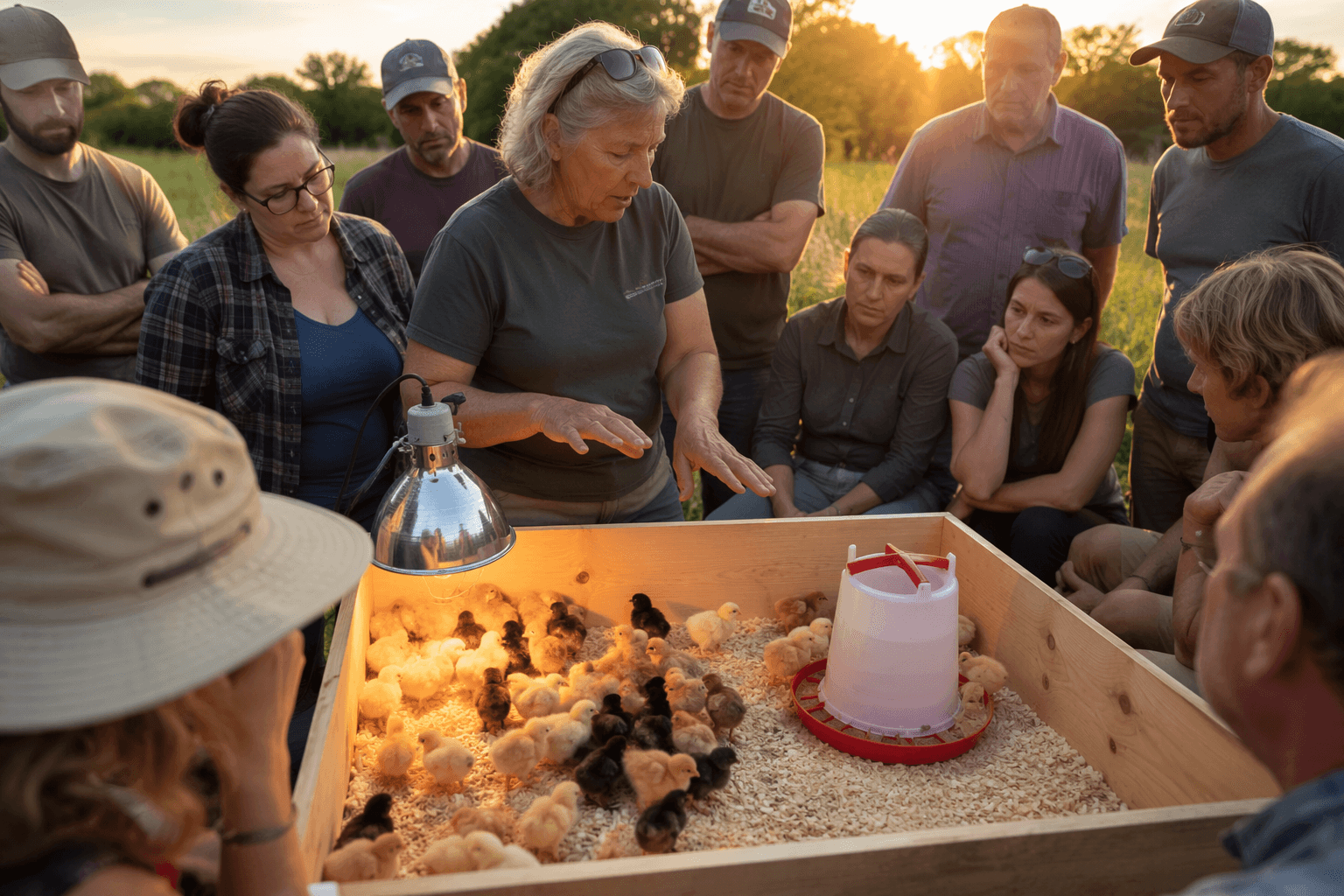
The clearest way to use that advice is to treat brooding as a moving target. As the birds grow, all of the following need to grow with them:
- Floor space, so birds are not stacked on top of one another
- Feeder space, so the stronger chicks do not monopolize access
- Water space, so the whole group can drink without jostling
- Heat coverage, so the flock stays warm without overheating the pen
Penn State’s broader poultry pages make the same point in plain language: inappropriate space and heat can create stress and behavioral issues, and expanding housing, feeder space, and water space helps prevent them.
Heat should change on schedule, too
The temperature plan is just as important as the floor plan. Penn State says brooding should begin at 92 to 95 degrees Fahrenheit and then drop by 5 degrees each week until it reaches about 70 degrees. In the first week, that high heat is not optional. Very young chicks cannot regulate body temperature well, which is why a small, controlled area is often safer and more economical than starting them on a large open coop floor.

Penn State also gives a useful timing detail that keeps people from scrambling on arrival day: warm the brooding area to 92 degrees at least 24 hours before the chicks arrive. That gives bedding and equipment time to reach the right temperature, instead of leaving chicks to settle into a cold setup that has not fully stabilized.
Other extension guidance lines up with the same basic rule. University of Florida IFAS Extension says newly hatched chicks need 95 degrees Fahrenheit for the first week, then can handle 5 degrees cooler each week until they are four weeks old. University of Missouri Extension gives a similar starting point, saying day-old chicks need about 95 degrees in winter and 90 degrees the rest of the year. The numbers vary slightly by source, but the message is the same: warm early, then step down gradually.
Use an enclosed brooder to hold heat and calm the flock
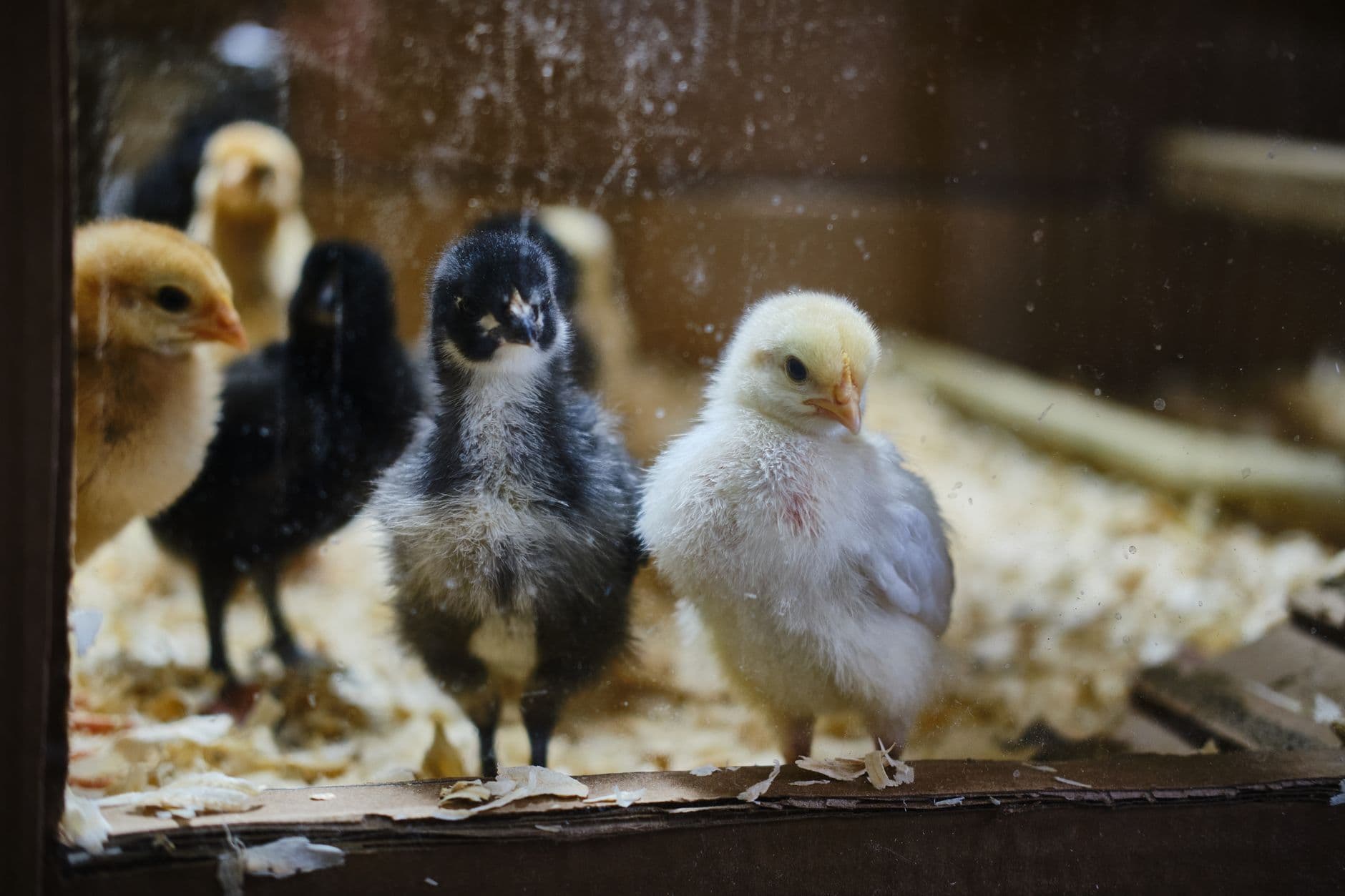
Penn State recommends a chick guard or enclosed brooder area, especially when chicks are first introduced to a coop or brooding setup. That barrier keeps very young birds close to the heat source and away from drafts, which matters a lot in those first fragile days when the chicks are still learning where to sleep, eat, and rest.
This is one of those small management choices that pays off quickly. An enclosed brooder helps prevent chicks from wandering too far from heat, and it keeps the group compact enough that you can see problems before they escalate. In a large open space, the cold edge of the pen can become a trap, especially if one bird drifts off and the rest follow.
A growth-based checklist makes the advice easier to use
The most helpful way to read Penn State’s guide is as a checklist that changes with the birds. Before chicks arrive, get the brooder to 92 degrees at least a day in advance. During the first week, keep them in a smaller enclosed space, with heat in the 92 to 95 degree range. By the second week, reassess the aquarium and waterer, because those starter pieces are already nearing the end of their useful life. By the time chicks are 6 to 8 weeks old, they should have enough room to meet that 0.5 square foot per bird benchmark, and once they are older pullets or hens, the housing needs to open up to at least 1.5 square feet per bird.
That progression is the real heart of the updated advice. Chicks do not just need warmth. They need the right amount of space, the right height of heat, and equipment that keeps pace with their growth. If one of those pieces lags behind, the rest of the flock feels it fast.
Penn State’s broader poultry work fits into a much larger extension effort that includes biosecurity, nutrition, production, commercial hatcheries, and small-flock disease prevention. USDA APHIS is also tracking management and biosecurity practices through its Backyard Animal Keeping 2024 study, a sign that backyard poultry has become a serious public-interest topic. University of California Agriculture and Natural Resources has made a similar observation, noting that backyard poultry keeping has grown in popularity even as practical information about common problems remains limited.
That makes this brooding advice especially useful. The cure for a cramped, overheated starter pen is not complicated, but it does require planning before the first chicks arrive. Give them room to grow, heat that steps down with their age, and equipment that is ready to expand when their bodies do.
This article was produced by Prism’s automated news system from verified source data, official records, and press releases, then run through automated quality and moderation checks before publishing. The system is built and supervised by the people who set the standards it runs under. Read our full AI policy.
Know something we missed? Have a correction or additional information?
Submit a Tip