Connecticut homeowner faces order to reduce hen flock over zoning cap
A Suffield homeowner who donates eggs to a senior center is being told to cut 20 hens, showing how a charitable flock can still run into a zoning cap.
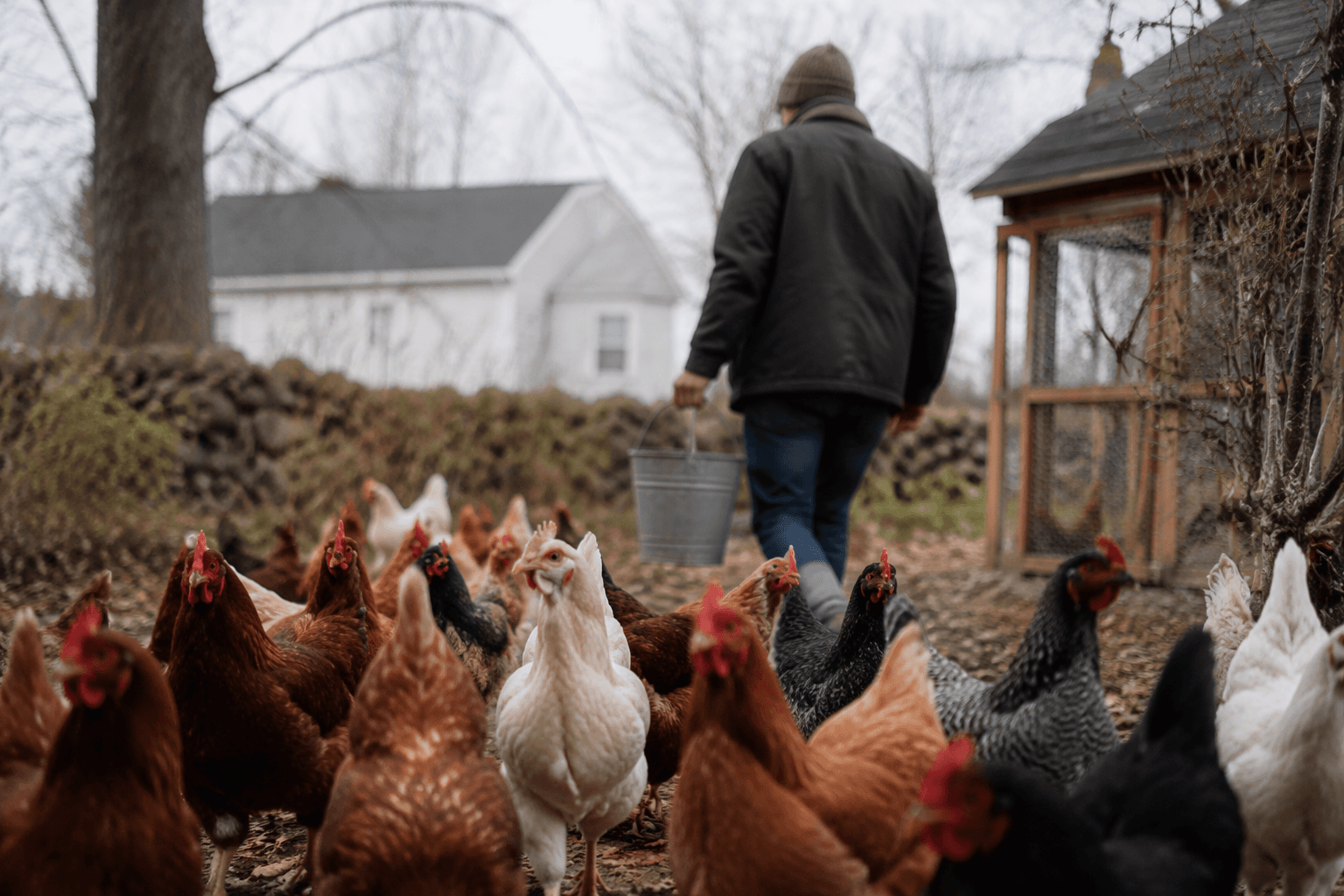
A Connecticut homeowner in Suffield who has been giving eggs to a senior center is being told to give up 20 hens because the flock runs past a local zoning cap. The case lands squarely in the middle of a familiar backyard-chicken fight: a flock can be clean, productive and community-minded, yet still be illegal once the number on the property crosses the line set by town code.
That clash is not unique to one yard. In Newington, Connecticut, keeping hens is allowed as a noncommercial accessory use on single-family residential lots, but only with a zoning permit. East Hartford, Connecticut, also has a dedicated backyard hens page, and UConn Extension has published Permitting and Regulating Backyard Chickens in Connecticut: a One Health Perspective, putting the issue into the state’s broader land-use and animal-health conversation.
Local officials have also been treating backyard poultry as a policy problem, not just a hobby. WestCOG held a one-hour training program for planning and zoning commissions and zoning boards of appeal on September 8, 2025, called Backyard Chicken Coops Zoning Strategies for Keeping Hens and Roosters in Connecticut. The training materials listed the questions that keep coming up in town halls: how backyard chickens are regulated, where they are allowed, what about roosters, manure management, how many chickens is too many, and avian disease.

The Suffield dispute also fits into a wider pattern in Connecticut. FOX61 separately reported a zoning regulation change in Suffield that forced a man to reduce the size of his flock, showing that local boards are actively revisiting chicken rules rather than leaving them to homeowner judgment. That matters because the old assumptions do not always match modern backyard keeping. A small flock may feel modest to the owner, especially when the eggs are feeding older residents at a senior center, but a zoning formula can still treat it as too many birds.
For backyard chicken keepers, the lesson is blunt: check the cap, the permit rules and the lot requirements before a coop goes up. In cases like Suffield, the charitable value of the eggs does not cancel the zoning number, and the number still decides whether the birds stay.
This article was produced by Prism’s automated news system from verified source data, official records, and press releases, then run through automated quality and moderation checks before publishing. The system is built and supervised by the people who set the standards it runs under. Read our full AI policy.
Did this article answer your question?